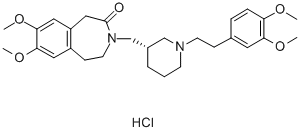
Cilobradine (4-40 mg/kg; s.c,; single dose) hydrochloride can prolong the latency of the a-wave or b-wave of the rat electroretinogram (ERG), and a dose-dependent waveform change after the b-wave occurs at a specific light stimulus brightness[4].
.
Cilobradine (intracerebroventricular injection dose 0.6 μg; intraperitoneal injection dose 20 mg/kg; intracerebroventricular microinjection and i.p.; single dose) hydrochloride can reverse depressive-like behavior, and the effect lasts for about two weeks[5].
| Animal Model: | Male C57BL/6J mice (8-15 weeks old), chronic social defeat stress (CSDS) model[5] |
| Dosage: | Intra-VTA injection 0.6 μg, intraperitoneal injection 20 mg/kg |
| Administration: | Intra-VTA micro- infusion or intraperitoneal injection, single |
| Result: | Reversed depressive-like behaviors within 1 h and the effect lasted for about two weeks.
Increased time in social interaction and reduced time in the corner zone.
Increased sucrose preference and reduced immobility time in the forced swim test.
|