Plant extracts
During the process of plant growth, they carry out a number of metabolic and biochemical processes, forming and accumulating various kinds of chemical substances that form the chemical composition of plants. Plant extracts are very complicated and also contain many types of chemical composition with the composition in different parts also being different. Usually plants contain many types of chemical constituents below: alkaloids, glycosides, organic acids, resins (including resin acids, resin alcohols and hydrocarbon resins), volatile oils, sugars (including starches, inulin, gums and phlegmatic, etc.) , amino acids, proteins and enzymes, tannins, plant pigments (including chlorophyll, carotenoids, flavonoids, beet red bases and quinones, etc.), oils and waxes, and inorganic ingredients (trace elements).
There are many kinds of plant extracts with their major functions contained in skin medicines, efficacy cosmetics and cosmetic including: anti-irritant, anti-inflammatory, wound healing, anti-infective, sterilization, wetting, protecting the skin and so on. No matter whether it is a single plant extract or compound extract, it often has multiple effects, especially that the clinical efficacy of the compound extract is reflected in the combined and overall effect of compound compatibility, its efficacy is sometimes more excellent than mixed material of the isolated purified ingredients.
According to the formulations of plant extracts, it can be divided into: water-soluble plant extracts (including water and propylene glycol, propylene glycol, butylene glycol, and glycerol extract), oil-soluble plant extracts (including various vegetable oils, such as the exact of sunflower oil, coconut oil and olive extract oil, sometimes use isopropyl myristate extract), essential oils, spray-dried powder, enzyme-hydrolyzed vegetable protein powder, the pure active ingredients, peeled fruit core powder, liposome encapsulated microcapsules, polysaccharides or other porous polymer-encapsulated microcapsules and microspheres absorbed extract. It has been also used of freshly prepared fruit or vegetable juice in the professional beauty salon or family. If the plant parts used for the plant extract are different, the active ingredients are also different, including: roots, stems, leaves, bark, flowers, garland, fruits, seeds, shoots and the like. This classification method is more meaningful in the preparation, application, storage and transportation, and is used frequently by the manufacturer of some plant extracts.
With the development of various pieces of studies including extraction, isolation, determination techniques of composition and structure and the pharmacological effects, some separated and purified plant extract has begun to be taken seriously. Some companies of plant extracts manufacturing are actively studying and developing these new types of products. Some larger cosmetic companies have done a lot of research work, separating and extracting pure extract and further applying to various products. There are highly effective ingredients contained in such plant extracts, containing no or less other irrelevant substances but containing one or more pure components. These components have accurate contents and structure components, relatively explicit quality standards and inspection methods, and have their product undergone pharmacological testing, clinical trials and activity tests. The application of such plant extracts is more effective and practical, easy for the anti-corrosion and the quality control of the product, but usually having higher cost compared general extract. We will discuss below of some plant extracts which have been applied in cosmetics, having clearly defined composition and structure as well as having undergone separation and purification.
The plant extracts industry in our country, because of the influence of traditional Chinese medicine culture, has unique advantages for development. With rich resources and technological advantages, China has become one of the world's most important suppliers of plant extracts. According to Chinese customs statistics, China's plant extracts of exports had amounted to $815 million in 2010, accounting for 41.9% of China's total export of Chinese medicine, the extract of Chinese products have become the major driving force in the increasing of the China's export growth. At present, there are around 2000 enterprises engaging in plant extracts production and trade business with thousands of products being exported to foreign countries every year.
Data has shown that the inn the first half of 2011, the exports sales of plant extracts in China has reached up to $525 million with an increase of 47.68%. The proportion of plant extract in Chinese exports is gradually increasing. As the product of "natural medicine" and "homeopathy" usage, plant extracts have a very stable market in the international market.
- Structure:

- Chemical Name:Soyasaponin Bd
- CAS:135272-91-2
- MF:C48H76O19
- Structure:
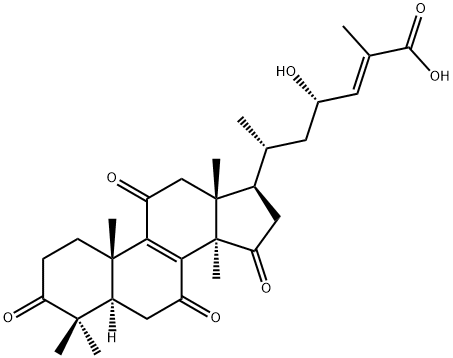
- Chemical Name:23S-hydroxyl-11,15-dioxo-ganoderic acid DM
- CAS:1085273-49-9
- MF:C30H40O7
- Structure:
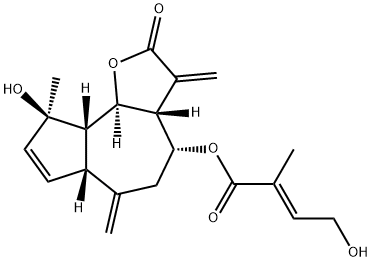
- Chemical Name:Eupalinilide B
- CAS:757202-08-7
- MF:C20H24O6
- Chemical Name:FructussSophoraeExtract
- CAS:
- MF:
- Chemical Name:Conyza blinii extract
- CAS:
- MF:
- Chemical Name:Rubus SuavissiMus Extract
- CAS:
- MF:
- Structure:
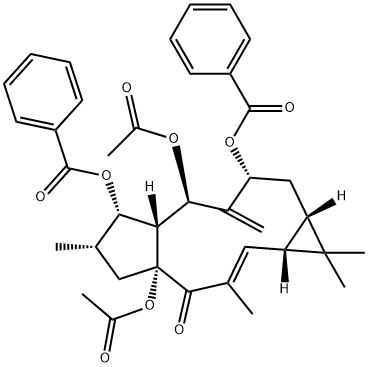
- Chemical Name:euphorbiafactor L2
- CAS:218916-51-9
- MF:C38H42O9
- Chemical Name:Cane three seven extract
- CAS:
- MF:
- Chemical Name:Stevia Extract & Stevioside
- CAS:
- MF:
- Structure:
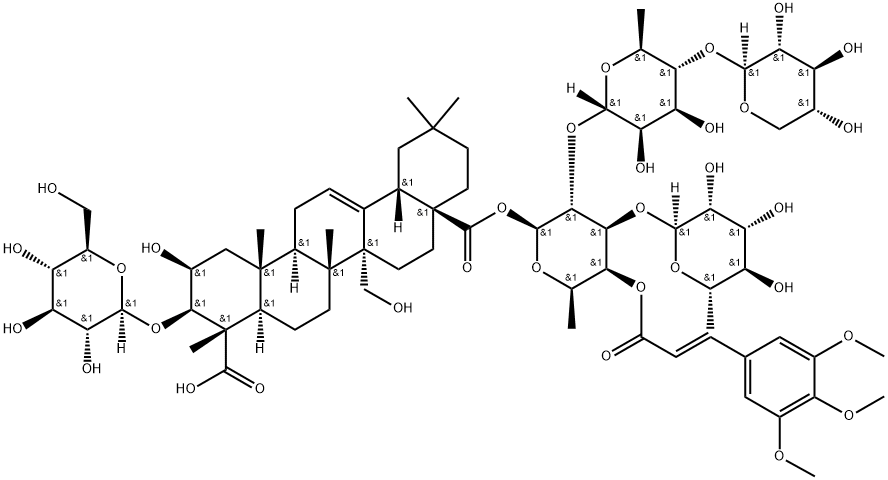
- Chemical Name:Onjisaponin Z
- CAS:1078708-72-1
- MF:C71H106O32
- Chemical Name:White kidney bean extract
- CAS:
- MF:
- Chemical Name:Wolfberry powder
- CAS:
- MF:
- Chemical Name:Magnolia extract
- CAS:
- MF:
- Chemical Name:Ivy vine
- CAS:
- MF:
- Chemical Name:Banana powder
- CAS:
- MF:
- Chemical Name:Blueberry powder
- CAS:
- MF:
- Chemical Name:Myrtle Oil
- CAS:8008-46-6
- MF:
- Chemical Name:OPOPANAX OIL
- CAS:8021-36-1
- MF:
- Chemical Name:Tomato seed oil
- CAS:
- MF:
- Chemical Name:Perrin extract
- CAS:
- MF:
- Structure:
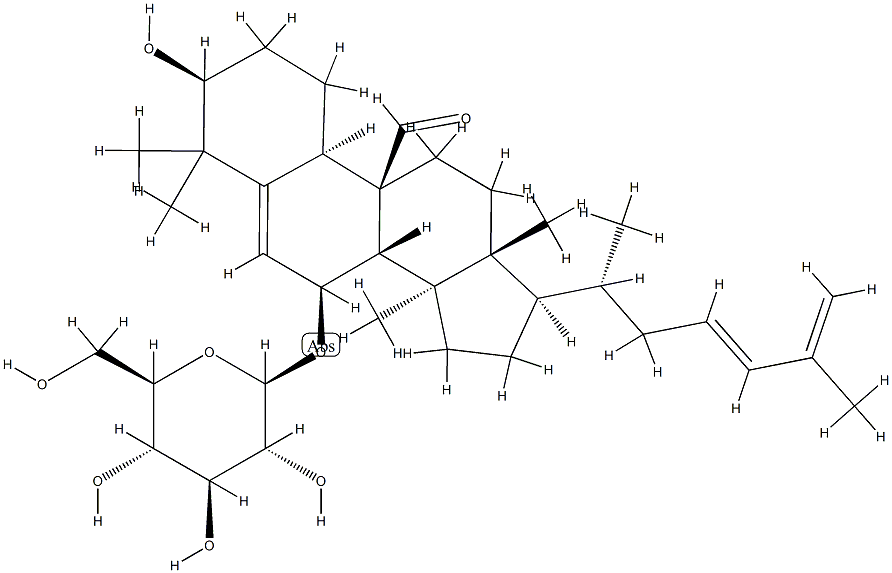
- Chemical Name:Kuguaglycoside C
- CAS:1041631-93-9
- MF:C36H56O8
- Structure:
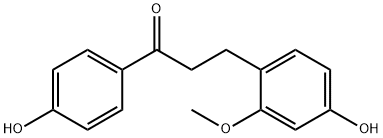
- Chemical Name:Loureirin C
- CAS:116384-24-8
- MF:C16H16O4
- Structure:
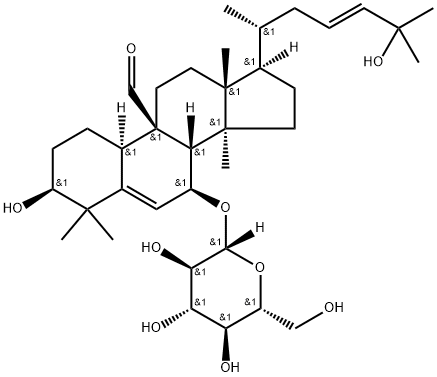
- Chemical Name:Momordicoside L
- CAS:81348-83-6
- MF:C36H58O9
- Structure:
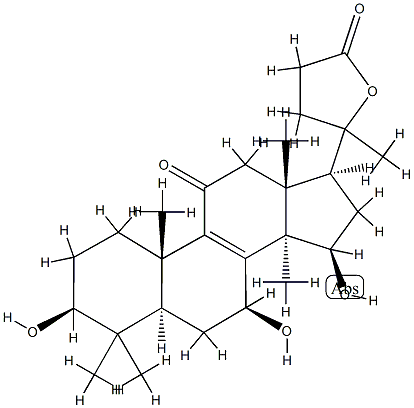
- Chemical Name:3β,7β,15β-trihydroxy-11-oxo-lanosta-8-en-24→20 lactone
- CAS:1694587-15-9
- MF:C27H40O6
- Chemical Name:Visammioside, 6''-O-apiosyl-
- CAS:
- MF:
- Structure:
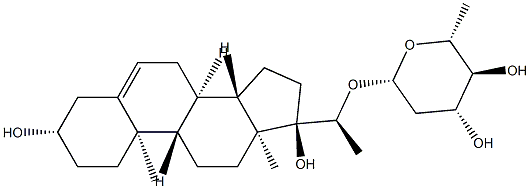
- Chemical Name:Periplocoside N
- CAS:39946-41-3
- MF:C27H44O6
- Structure:

- Chemical Name:EPICATECHIN-(4BETA->8:2BETA-O-7) CATECHIN
- CAS:103883-03-0
- MF:C30H24O12
- Structure:
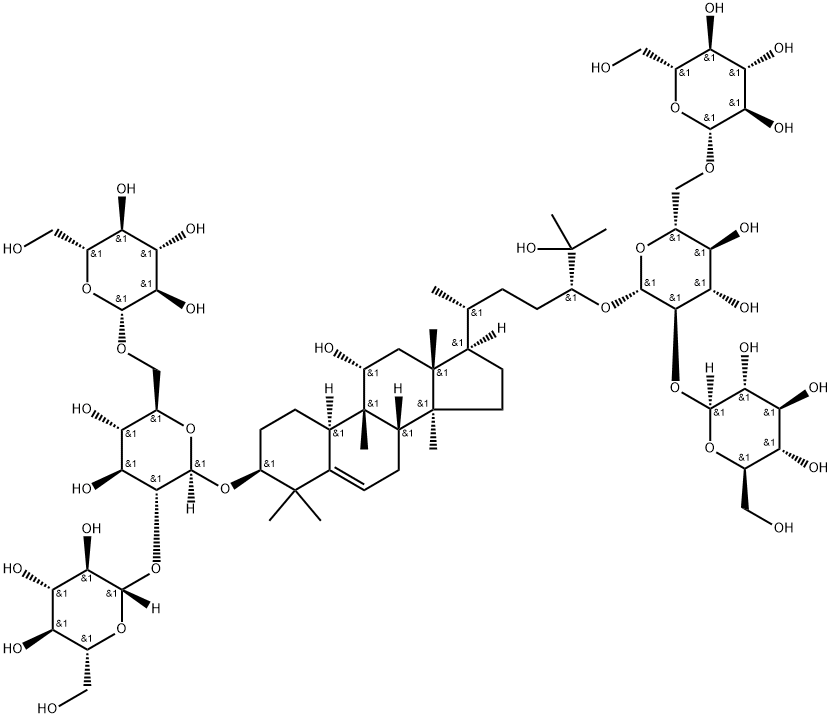
- Chemical Name:Neomogroside
- CAS:189307-15-1
- MF:C66H112O34
- Chemical Name:Labisia Pumila Extract
- CAS:
- MF:
- Chemical Name:Oat fiber powder
- CAS:
- MF:
- Chemical Name:Wood sterols
- CAS:
- MF:
- Structure:
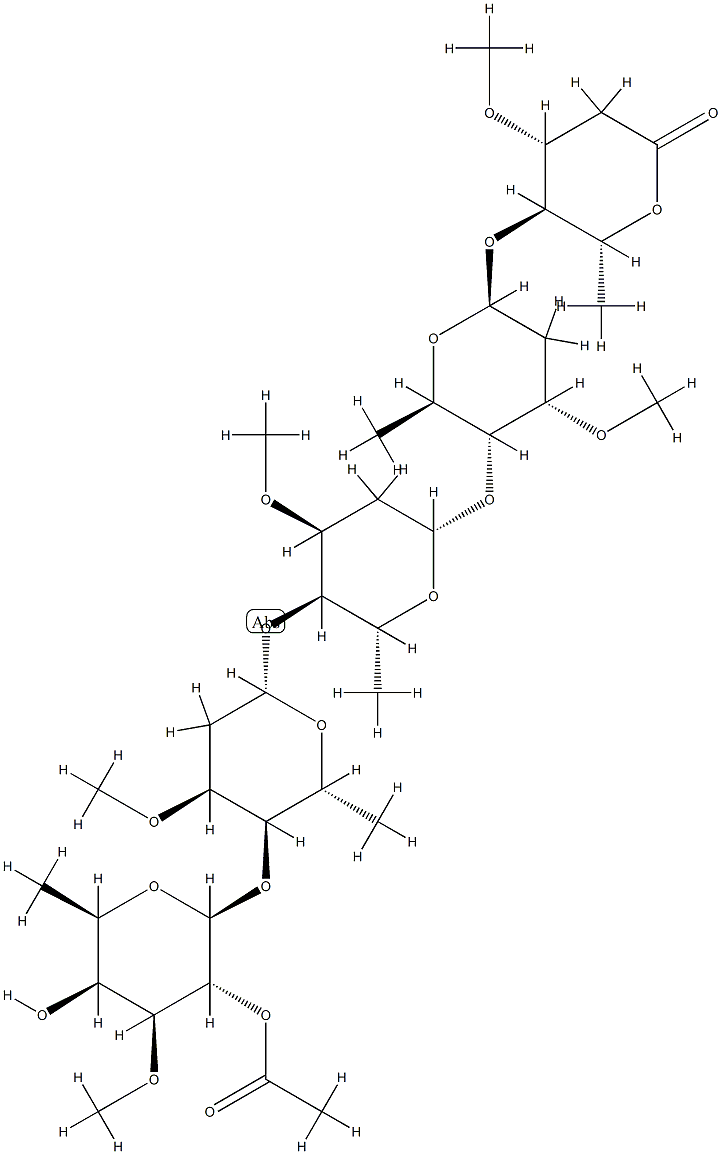
- Chemical Name:Acetyl Perisesaccharide C
- CAS:110764-09-5
- MF:C37H62O18
- Chemical Name:Lily flour
- CAS:
- MF:
- Structure:
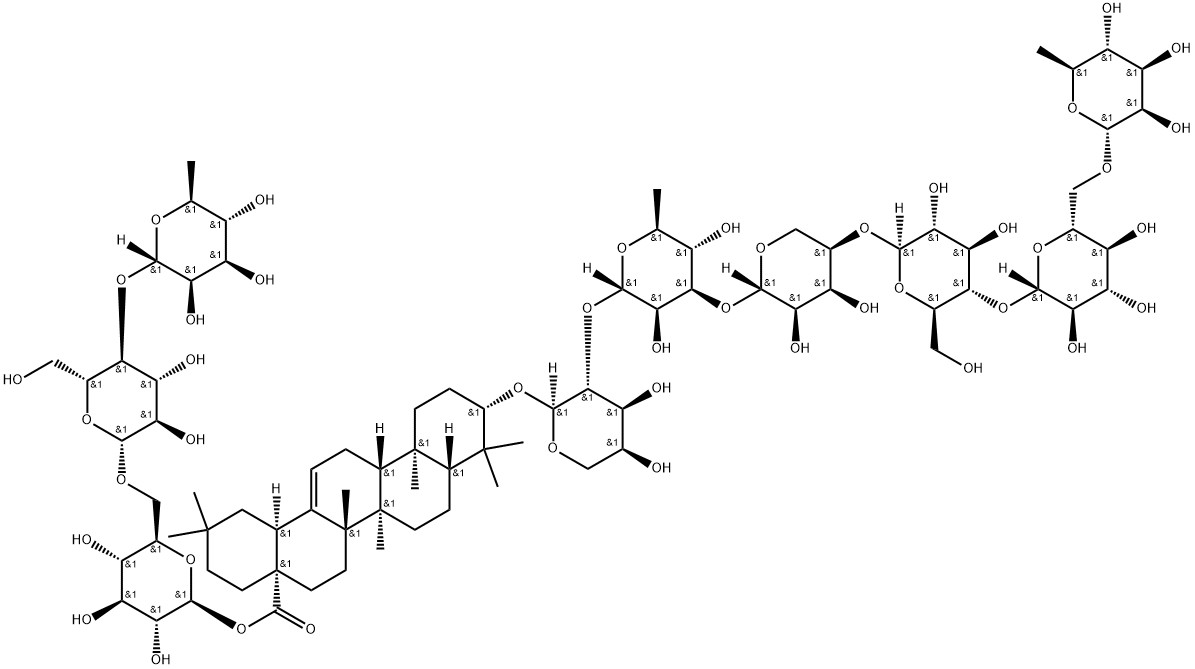
- Chemical Name:Clematichinenoside AR
- CAS:761425-93-8
- MF:C82H134O43
- Chemical Name:Picrorhiza scrophularii flora Pennell. P.E
- CAS:
- MF:
- Chemical Name:CAJEPUT OIL
- CAS:8008-98-8
- MF:
- Structure:
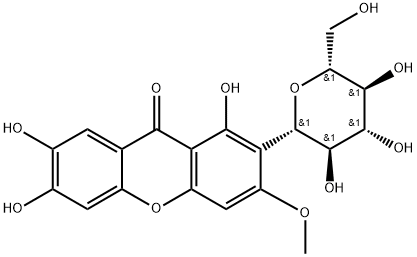
- Chemical Name:Homomangiferin
- CAS:21794-66-1
- MF:C20H20O11
- Structure:
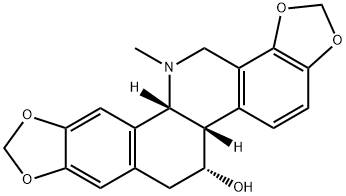
- Chemical Name:(-)-Form
- CAS:88200-01-5
- MF:C20H19NO5
- Chemical Name:Taro powder
- CAS:
- MF:
- Chemical Name:MELILOTUS EXTRACT
- CAS:
- MF:
- Structure:
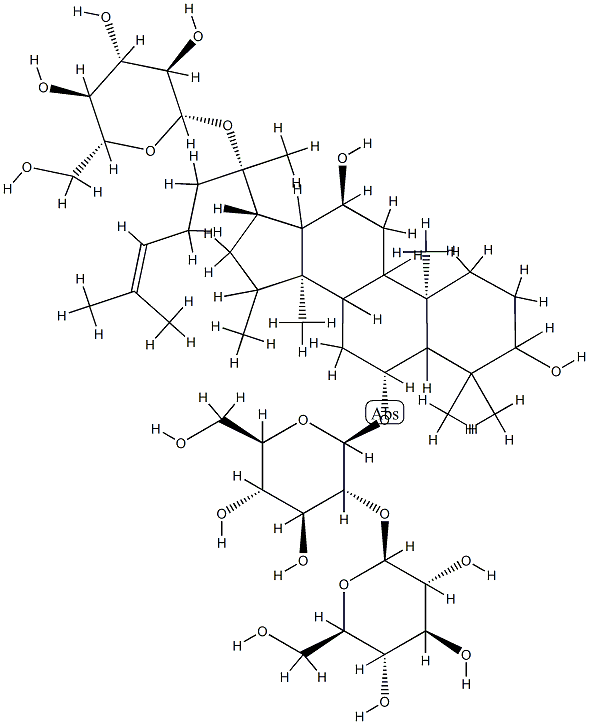
- Chemical Name:20-O-Glucoginsenoside Rf
- CAS:68406-27-9
- MF:C48H82O19
- Chemical Name:Goose no herb extract
- CAS:
- MF:
- Chemical Name:Comfrey oil
- CAS:
- MF:
- Chemical Name:Mint powder
- CAS:
- MF:
- Structure:
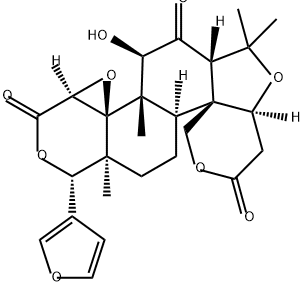
- Chemical Name:RUTAEVIN
- CAS:33237-37-5
- MF:C26H30O9
- Structure:
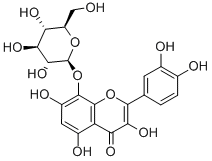
- Chemical Name:GOSSYPIN
- CAS:652-78-8
- MF:C21H20O13
- Chemical Name:Wheat gern oil
- CAS:68917-73-7
- MF:unspecified
- Structure:
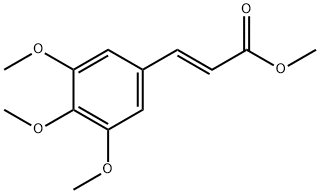
- Chemical Name:METHYL 3,4,5-TRIMETHOXYCINNAMATE
- CAS:20329-96-8
- MF:C13H16O5
- Structure:
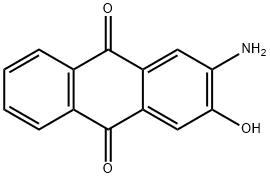
- Chemical Name:2-AMINO-3-HYDROXYANTHRAQUINONE
- CAS:117-77-1
- MF:C14H9NO3
- Chemical Name:Sunflower Pan Extract
- CAS:
- MF:
- Chemical Name:Centella asiatica extract
- CAS:
- MF:
- Chemical Name:Common Clubmoss Herb Oil
- CAS:
- MF:
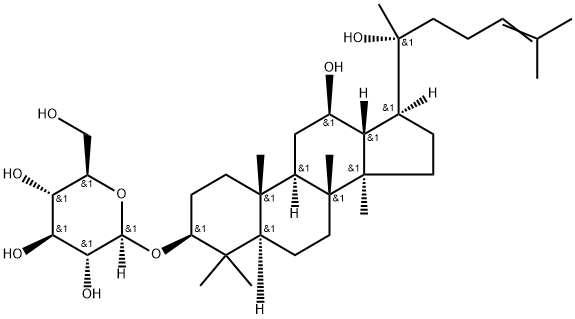
- Chemical Name:Tea tree oil
- CAS:68647-73-4
- MF:Null
- Structure:
- Chemical Name:20R-Ginsenoside Rh2
- CAS:112246-15-8
- MF:C36H62O8
- Chemical Name:Honey extract
- CAS:91052-92-5
- MF:
- Chemical Name:Jasmine powder
- CAS:
- MF:
- Structure:
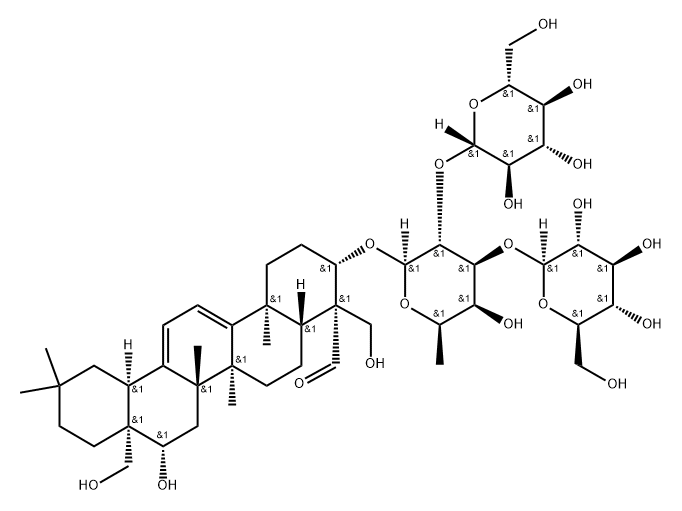
- Chemical Name:Clinoposaponin A
- CAS:1613668-68-0
- MF:C48H76O19
- Chemical Name:PALM ACID OIL
- CAS:
- MF:
- Chemical Name:Yellow flower extract
- CAS:
- MF:
- Chemical Name:Angelicae(DangQuai) P.E
- CAS:
- MF:
- Chemical Name:CAMELLIA SINENSIS LEAF OIL
- CAS:68916-73-4
- MF:
- Chemical Name:Ginseng essential oil
- CAS:
- MF:
- Chemical Name:Ginseng essential oil
- CAS:
- MF:
- Chemical Name:TRIGONELLA FOENUM-GRAECUM
- CAS:
- MF:
- Chemical Name:Stephania Tetrandra extract
- CAS:
- MF:
- Chemical Name:Korean cabbage powder
- CAS:
- MF:
- Chemical Name:Perilla leaf powder
- CAS:
- MF:
- Chemical Name:Ferula powder
- CAS:
- MF:
- Chemical Name:Three needle powder
- CAS:
- MF:
- Chemical Name:Tremella powder
- CAS:
- MF:
- Chemical Name:Sandalwood powder
- CAS:
- MF:
- Chemical Name:Loquat leaf powder
- CAS:
- MF:
- Chemical Name:Folium Isatidis powder
- CAS:
- MF:
- Chemical Name:Schizonepeta tenuifolia powder
- CAS:
- MF:
- Chemical Name:Madagascar rosy periwinkle powder
- CAS:
- MF:
- Chemical Name:Pomegranate peel powder
- CAS:
- MF:
- Chemical Name:Scutellaria powder
- CAS:
- MF:
- Structure:
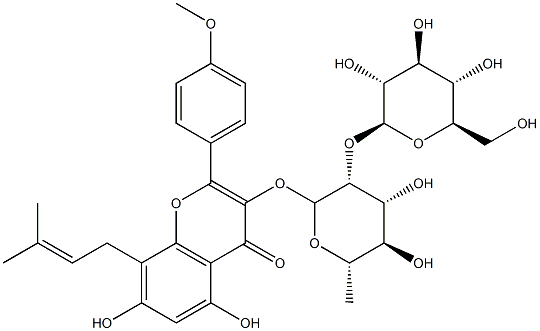
- Chemical Name:SAGITTATOSIDE A
- CAS:118525-35-2
- MF:C33H40O15
- Structure:
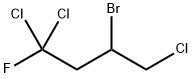
- Chemical Name:Cineole
- CAS:406-67-7
- MF:C4H5BrCl3F
- Structure:
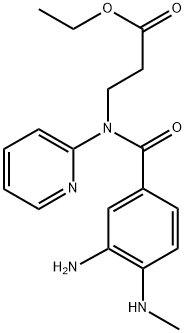
- Chemical Name:3-[(3-AMINO-4-METHYLAMINO-BENZOYL)-PYRIDIN-2-YL-AMINO]-PROPIONIC ACID ETHYL ESTER
- CAS:212322-56-0
- MF:C18H22N4O3
- Chemical Name:MoringaLeafPowder
- CAS:
- MF:
- Structure:
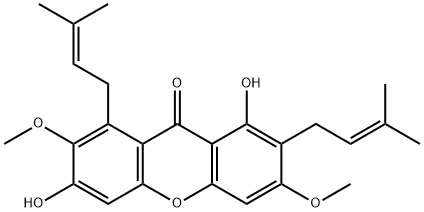
- Chemical Name:Beta-mangostin
- CAS:20931-37-7
- MF:C25H28O6
- Structure:
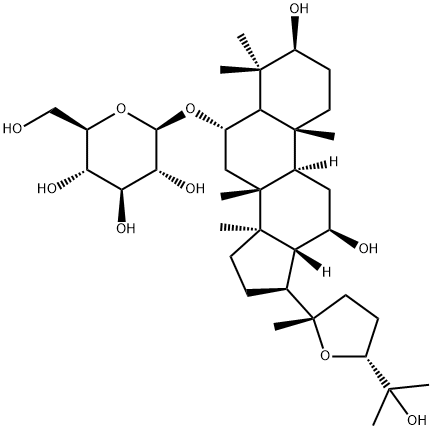
- Chemical Name:Pseudoginsenoside RT5
- CAS:98474-78-3
- MF:C36H62O10
- Chemical Name:chemicalbookcheck
- CAS:
- MF:
- Chemical Name:Tall oil rosins
- CAS:8052-10-6
- MF:
- Chemical Name:Desertliving Cistanche
- CAS:
- MF:
- Structure:
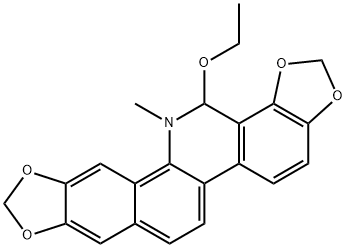
- Chemical Name:Ethoxysanguinarine
- CAS:28342-31-6
- MF:C22H19NO5
- Chemical Name:Shea butter -Refined
- CAS:
- MF:
- Structure:
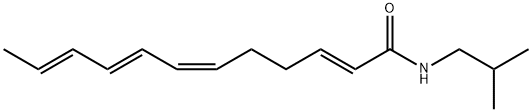
- Chemical Name:Sanshool
- CAS:504-97-2
- MF:C16H25NO
- Structure:
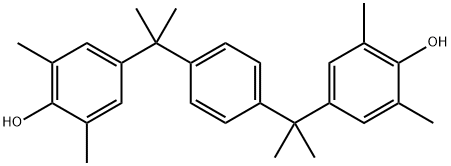
- Chemical Name:ALPHA,ALPHA'-BIS(4-HYDROXY-3,5-DIMETHYLPHENYL)-1,4-DIISOPROPYLBENZENE
- CAS:36395-57-0
- MF:C28H34O2
- Structure:
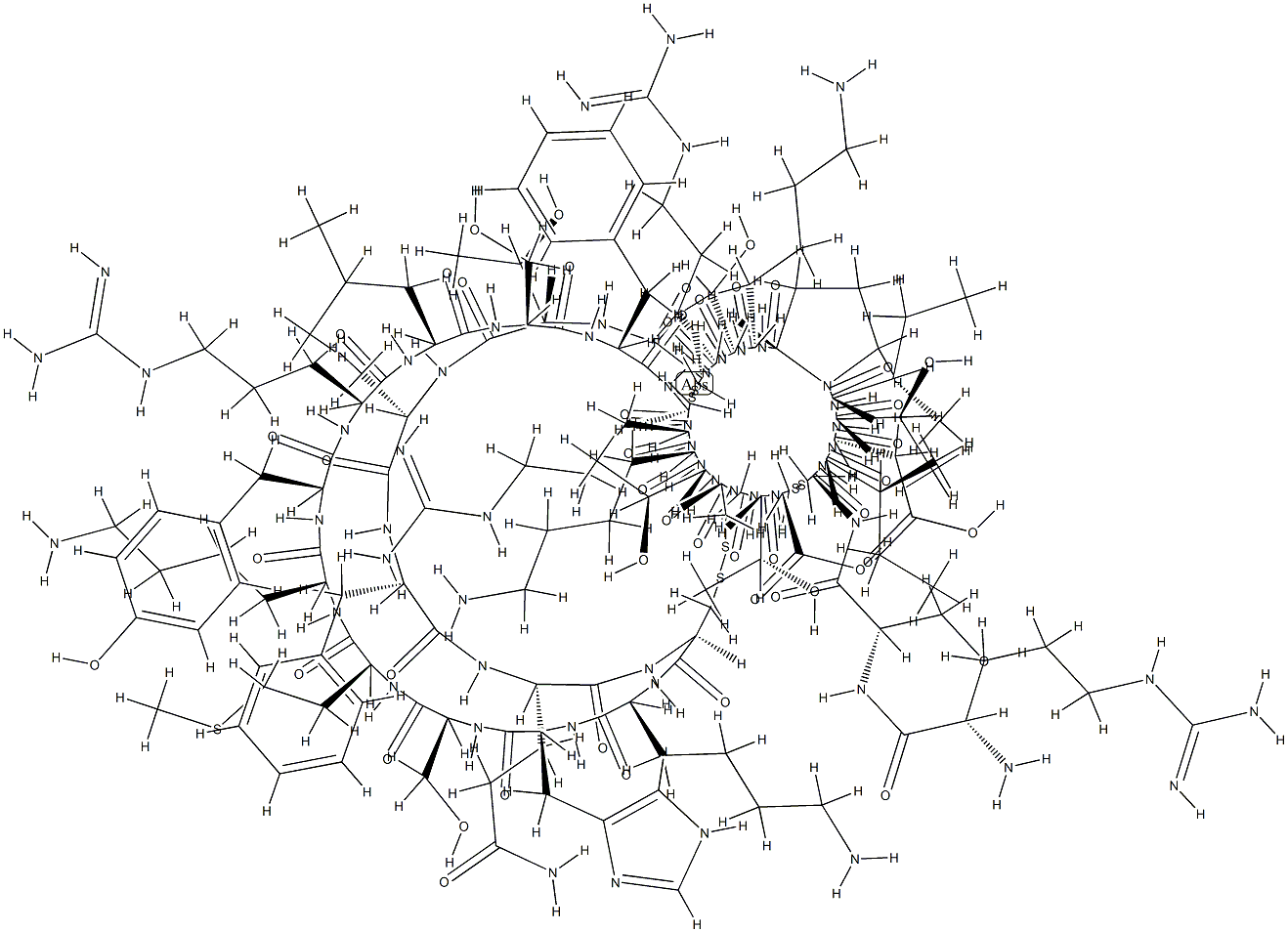
- Chemical Name:SHK
- CAS:172450-46-3
- MF:C169H274N54O48S7
- Chemical Name:Digitaline
- CAS:
- MF:
- Structure:
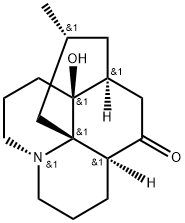
- Chemical Name:Lycodoline
- CAS:6900-92-1
- MF:C16H25NO2
- Structure:
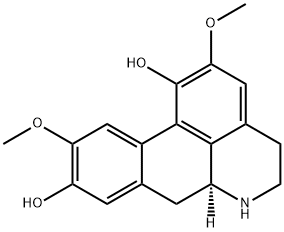
- Chemical Name:norisoboldine
- CAS:23599-69-1
- MF:C18H19NO4
- Chemical Name:GINSENOSIDEC-K
- CAS:
- MF:
- Structure:
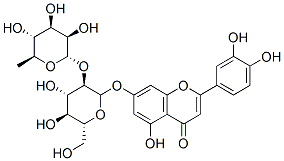
- Chemical Name:Lonicerin
- CAS:25694-72-8
- MF:C27H30O15
- Chemical Name:Indaconitone
- CAS:
- MF:
- Chemical Name:Armoise oil
- CAS:8008-93-3
- MF:
- Structure:
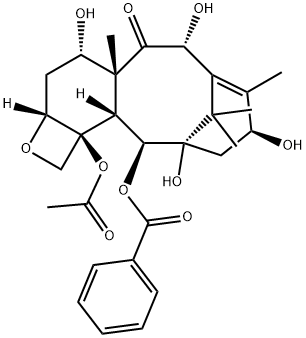
- Chemical Name:10-Deacetylbaccatin III
- CAS:92999-93-4
- MF:C29H36O10
- Structure:
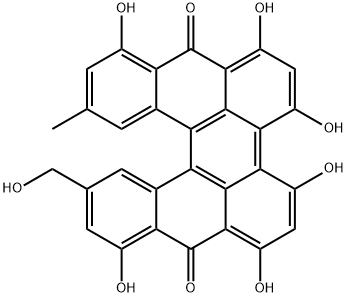
- Chemical Name:protopseudohypericin
- CAS:54328-09-5
- MF:C30H18O9