Pyraclostrobin
- Product NamePyraclostrobin
- CAS175013-18-0
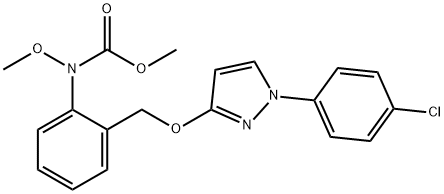
- MFC19H18ClN3O4
- MW387.82
- EINECS605-747-1
- MOL File175013-18-0.mol
Chemical Properties
| Melting point | 63.7-65.2° |
| Boiling point | 501.1±60.0 °C(Predicted) |
| Density | 1.27±0.1 g/cm3(Predicted) |
| storage temp. | 0-6°C |
| solubility | DMSO: 250 mg/mL (644.63 mM) |
| pka | -0.23±0.10(Predicted) |
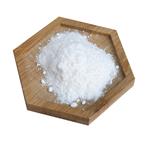
| form | Solid |
| color | Off-white to light yellow |
| Stability | Toxic |
| Major Application | agriculture environmental |
| InChI | InChI=1S/C19H18ClN3O4/c1-25-19(24)23(26-2)17-6-4-3-5-14(17)13-27-18-11-12-22(21-18)16-9-7-15(20)8-10-16/h3-12H,13H2,1-2H3 |
| InChIKey | HZRSNVGNWUDEFX-UHFFFAOYSA-N |
| SMILES | C(OC)(=O)N(C1=CC=CC=C1COC1C=CN(C2=CC=C(Cl)C=C2)N=1)OC |
| LogP | 4.250 (est) |
| NIST Chemistry Reference | Pyraclostrobine(175013-18-0) |
| EPA Substance Registry System | Pyraclostrobin (175013-18-0) |
Safety Information
| Hazard Codes | N |
| Risk Statements | 50/53 |
| Safety Statements | 60-61 |
| RIDADR | UN3077 9/PG 3 |
| WGK Germany | 2 |
| RTECS | EZ3441000 |
| Storage Class | 6.1C - Combustible acute toxic Cat.3 toxic compounds or compounds which causing chronic effects |
| Hazard Classifications | Acute Tox. 3 Inhalation Aquatic Acute 1 Aquatic Chronic 1 Skin Irrit. 2 |
| Hazardous Substances Data | 175013-18-0(Hazardous Substances Data) |
| Toxicity | LD50 in rats (mg/kg): >5000 orally; >2000 dermally; LC50 in rainbow trout: 0.006 mg/l (Ammermann) |