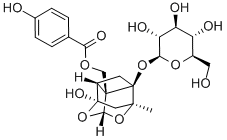
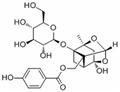
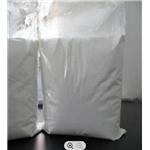
White crystalline powder, soluble in organic solvents such as methanol, ethanol, and DMSO, derived from peony bark, peony root, and red peony root.
Oxypaeoniflora is a plant extract of Paeonia suffruticosa, and has been used in the prevention of pathogenesis diabetic nephropathy providing anti-oxidative and anti-inflammatory activity.
ChEBI: Oxypaeoniflorin is a monoterpene glycoside with formula C23H28O12, isolated from several species of Paeoniae. It has a role as a plant metabolite. It is a cyclic acetal, a lactol, a bridged compound, a beta-D-glucoside, a 4-hydroxybenzoate ester and a monoterpene glycoside.
Oxypaeoniflorin (OPA; 10-40 mg/kg; intragastrical administration; every day; for 30 days) treatment significantly reduces disruption of cardiac function and improves the indicators of ejection fraction (EF) and fractional shortening (FS). Oxypaeoniflorin significantly reduces the release of myocardial infarction-related factors, such as the creatine kinase (CK-MB), cardiac troponin I (cTnI) and cardiac troponin T (cTnT)[1].
| Animal Model: | C57BL/6 male mice (6-8 weeks of age, 20-25 g) bearing myocardial ischemia/reperfusion (MI/R) injury[1] |
| Dosage: | 10 mg/kg, 20 mg/kg, 40 mg/kg |
| Administration: | Intragastrical administration; every day; for 30 days |
| Result: | Significantly reduced disruption of cardiac function and improved the indicators of ejection fraction (EF) and fractional shortening (FS). |