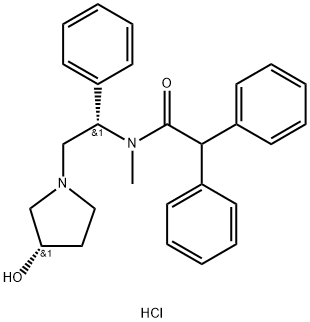
Asimadoline (EMD-61753 hydrochloride; 1, 5, 15 mg/kg; s.c.) acutely ameliorates both formalin-evoked hyperalgesia and tactile allodynia in diabetic rats[3].
The absorption rate following oral administration is 80% in rats and >90% in dogs and monkeys. The metabolism of Asimadoline hydrochloride is rapid and appears similar in animals and man. Asimadoline hydrochloride has peripheral anti-inflammatory actions that are partly mediated through increase in joint fluid substance P levels[1].
Treatment with Asimadoline hydrochloride (5 mg/kg/day; i.p.) produces marked (and sustained) attenuation of the disease with all three time regimes[2].
| Animal Model: | Adult female Sprague-Dawley rats[3] |
| Dosage: | 1, 5, 15 mg/kg |
| Administration: | SC; single dose |
| Result: | Acutely ameliorated both formalin-evoked hyperalgesia and tactile allodynia in diabetic rats.
|