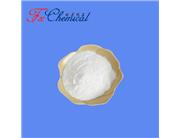
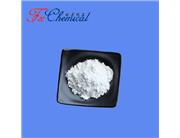
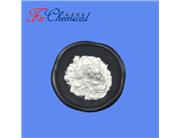
β-D-Allose Cas 7283-09-2
Product Description
Product Name: β-D-Allose
Synonyms: Beta-D-Allose
CAS No. 7283-09-2
M.F.: C6H12O6
M.W.: 180.16
EINECS: 219-994-4
Specifications
| Item | Specification |
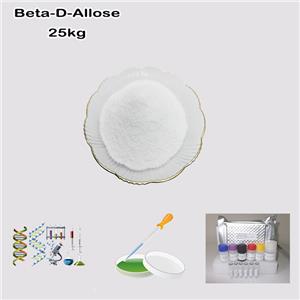
| Appearance | White to Off-white Powder |
| Assay | ≥98.0% |
| Density | 1.732±0.06 g/cm3(Predicted) |
| Melting Point | 148-150 °C(lit.) |
Welcome to contact us to get complete COA.
Beta-D-Allose is an epimer of glucose and one of the rare naturally occurring aldohexose monosaccharides. It is the D-enantiomer in the β-anomeric form of allose, which differs from the more common glucose at the C-3 position in its stereochemistry.
Chemical Structure & Properties:
Chemical Formula: C₆H₁₂O₆
Systematic Name: (3R,4S,5R,6R)-6-(hydroxymethyl)oxane-2,3,4,5-tetrol (for the β-pyranose form)
Key Features:
An aldohexose (6-carbon sugar with an aldehyde group).
A C-3 epimer of D-glucose. This means its hydroxyl (-OH) group at carbon 3 is oriented opposite (axial) to that of glucose. Its stereochemistry is the same as D-glucose at C-2, C-4, and C-5.
The β-anomer refers to the orientation of the hydroxyl group at the anomeric carbon (C-1) being on the same side (equatorial) as the CH₂OH group at C-5 in the standard pyranose (6-membered ring) chair conformation.
It is a white, crystalline solid, soluble in water.
It is a reducing sugar.
Natural Occurrence & Synthesis
Beta-D-Allose is classified as a "rare sugar" because it is found in very small quantities in nature (e.g., in certain fermented foods, maple syrup, and some algae). Its scarcity makes direct extraction impractical. It is primarily produced through:
Chemical or Enzymatic Epimerization: From more abundant sugars like D-glucose or D-allulose (psicose) using specific enzymes (e.g., aldose-epimerases, isomerases).
Microbial Fermentation: Using engineered microorganisms.
Organic Synthesis: Multi-step synthesis from other sugar precursors.
Uses and Applications
The interest in D-allose, particularly in its β-pyranose form (the most stable anomer in solution), stems from its unique biological activities, which are distinct from those of common sugars like glucose.
1. Biological & Medical Research
Anti-Cancer and Anti-Tumor Effects: D-Allose has shown promise in inhibiting cancer cell proliferation, particularly in studies on hepatocellular carcinoma, leukemia, and other cancer cell lines. Its mechanism is thought to involve:
Inhibition of glucose uptake and glycolysis in cancer cells (Warburg effect).
Induction of oxidative stress and cell cycle arrest.
Up-regulation of thioredoxin-interacting protein (TXNIP), a potent suppressor of tumor growth.
Neuroprotective Agent: Studies suggest it may protect neurons from ischemic injury (e.g., stroke models) by reducing oxidative stress and apoptosis.
Anti-Inflammatory and Immunomodulatory Effects: It can suppress the production of pro-inflammatory cytokines.
Radioprotectant: D-Allose has been shown to protect cells and tissues from damage caused by radiation, making it a potential adjunct in radiotherapy.
2. Agricultural & Food Science
Plant Growth Regulator: It can act as an elicitor, enhancing plants' natural resistance to pathogens and environmental stress. It may improve crop yield and quality.
Post-Harvest Preservation: Applied to fruits and vegetables, it can delay ripening and senescence, extending shelf life.
Functional Food Ingredient: As a zero- or low-calorie sweetener (about 80% the sweetness of sucrose), it offers a sweet taste without the glycemic impact. More importantly, its biological functionalities (antioxidant, anti-inflammatory) add "functional" value to foods.
3. Chemical & Biochemical Applications
Chiral Building Block: Used in the synthesis of complex natural products, glycoconjugates, and pharmaceuticals due to its specific stereochemistry.
Ligand for Protein Studies: Useful in crystallography and biochemical assays to study carbohydrate-binding proteins, enzymes (like kinases and isomerases), and transporters.
Model Compound in Glycoscience: Helps researchers understand structure-activity relationships (SAR) of sugars—how subtle changes in stereochemistry (like the C-3 epimerization from glucose) dramatically alter biological recognition and function.
4. Cosmeceuticals
Key Mechanism of Action
A central theme in D-allose's biological activity is its up-regulation of TXNIP. Unlike glucose, which is metabolized for energy, D-allose enters cells (often via glucose transporters) but is poorly metabolized. It acts as a "signaling molecule," triggering stress-response pathways, including the TXNIP pathway, which plays a crucial role in regulating cellular redox state, glucose metabolism, and inflammation.
Summary
Beta-D-Allose is a rare sugar with significant and promising applications that extend far beyond its role as a simple carbohydrate:
Medically: It is a research-stage therapeutic candidate for cancer, neuroprotection, and radioprotection.
Agriculturally: It functions as a plant protectant and preservative.
Industrially: It serves as a functional sweetener and chiral synthon.
Scientifically: It is a critical tool for probing sugar metabolism and protein-carbohydrate interactions.
Its value lies precisely in its "unnatural" metabolism compared to glucose, allowing it to modulate biological pathways in ways common sugars cannot, making it a fascinating subject in chemical biology and applied sciences.
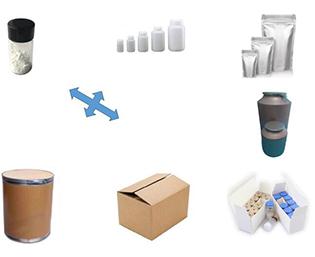
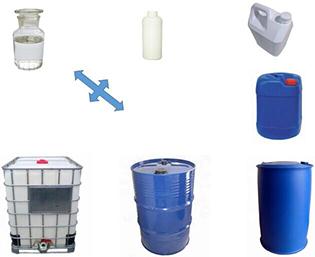
Packing & Shipping

FAQ
1. Do you have stock?
As we know, most customers prefer stock, so we will try to keep stock for some products.
2. Could you please provide some samples?
In order to facilitate transaction, it's my pleasure to provide you samples.
3. How should I pay?
We accept various payment terms such as L/C,T/T, Western Union and Money Gram.
4. Is there a discount?
Different quantity has different discount.
5.What's your MOQ?
Different products have different MOQ, such as:
1).Peptide products, the MOQ is 1 gram level
2).Liquid products, the MOQ is usually 50-100ML
3).API, the MOQ is 1KG
4).Intermediate products and conventional product, the MOQ is 1KG; custom-tailored products, the MOQ depends on the production process.
5).Food additives and vitamin, the MOQ is usually one package: such as Vitamin C is 25KG / drum, Vitamin E oil or Vitamin A oil is 5KG/bag;Vitamin E powder or Vitamin A powder is 20KG / cartons.
6).Agrochemical , the MOQ is 1KG, except preparations.
6.How do we take the quality complaint ?
First of all, our quality control will reduce the quality issue to near zero. If there is a quality problem caused by us, we will send you free goods for replacement or compensate your loss.
Company Information
Company profile
Wuhan Fortuna Chemical Co.,Ltd established in 2006, is a big integrative chemical enterprise being engaged in Pharmaceutical & its intermediates, Food/Feed additives, Fine chemicals in distributing the products of our own company and affiliated enterprises, are the members of Hubei E-commerce Chamber.
Our company has professional persons who major in chemical R&D and sicentific management, supply fine chemical products with high quality and close service, also supply custom-tailored products according to our clients’ requirement.
We have a positive and self-motivated management work team with a common philosophy, caring and commitment through teamwork, our team strive to achieve success in delighting our clients and ourselves.
Since Wuhan Fortuna Chemical Co., Ltd founded, we continuously innovate our products and improve our service, sales network. Hence, we initiate the first sale mode on net in China, which is the retail trade of small package bring along wholesale of diversified management modes. Our products are exported widely to South Korea, Vietnam, Australia, Europe and South America, highly recommended by our clients.
We insist on the management creed “Market is our compass, Quality is our life, Credit is our soul”. Clients’ trust is our forward powder, their satisfaction is our struggling goal.
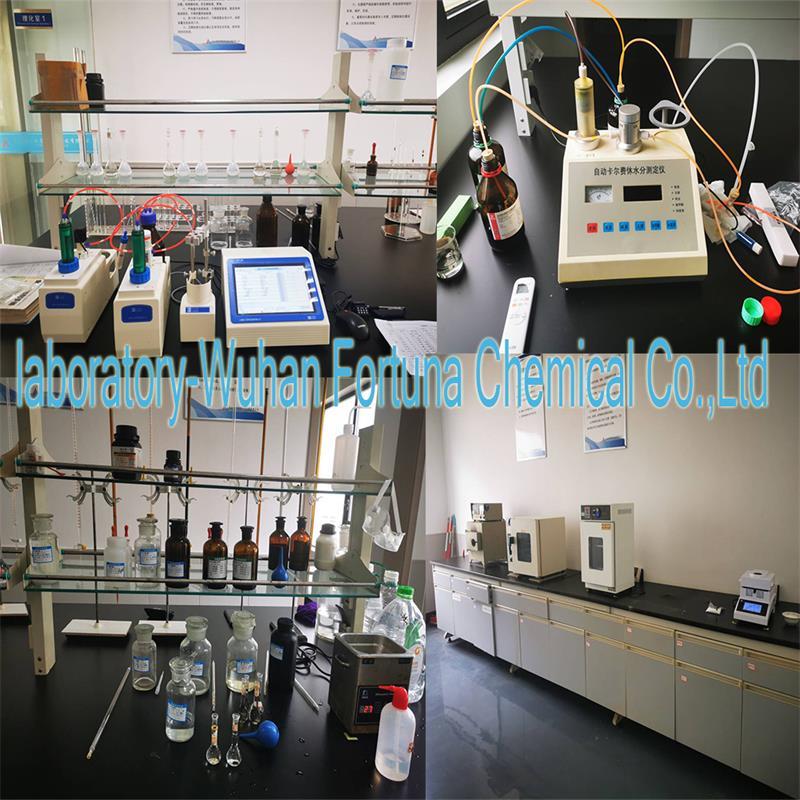
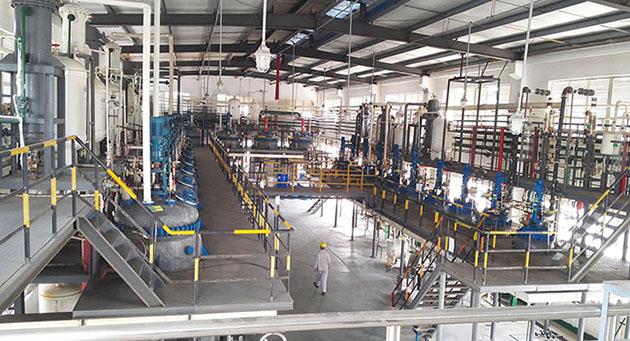
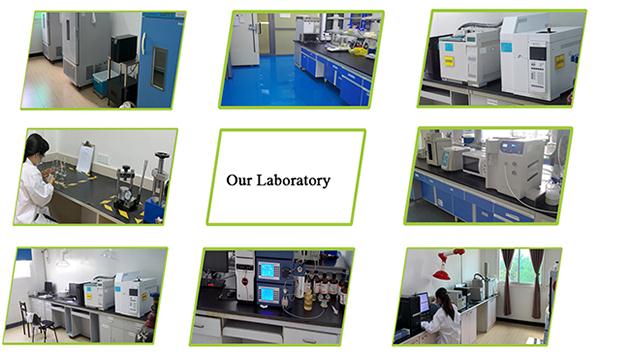
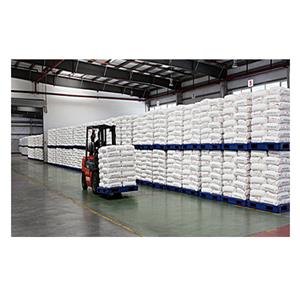
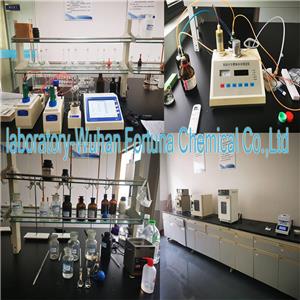
Factory and Lab show



 China
China