2,4-Bis(methylthio)pyrimidine (CAS No.: 5909-26-2) – Comprehensive Analysis of a Multifunctional Pyrimidine Compound
I. Basic Information and Physicochemical Properties
(1) Core Chemical Parameters
Chinese Name:
English Name: 2,4-Bis(methylthio)pyrimidine
CAS No.: 5909-26-2
Molecular Formula: C6H8N2S2
Molecular Weight: 172.27 g/mol
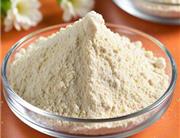
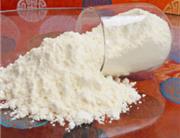
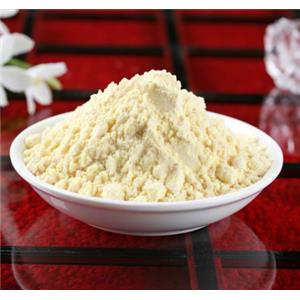
Appearance: White to light-yellow crystalline powder
(2) Physicochemical Properties
Melting Point: 72–74°C
Boiling Point: 275–277°C (atmospheric pressure)
Density: 1.28 g/cm³
Solubility: Insoluble in water; soluble in organic solvents (e.g., acetone, chloroform, ethyl acetate, toluene).
Chemical Characteristics:
The methylthio (−SCH3) group exhibits nucleophilicity and reducibility, enabling participation in oxidation, substitution, and other reactions.
The pyrimidine ring is aromatic and stable but can undergo electrophilic substitution under specific conditions.
II. Upstream and Downstream Industry Chain Analysis
(1) Upstream Raw Materials and Synthesis Process
(2) Downstream Products and Derivatives
Pharmaceuticals:
Agrochemicals:
Materials Science:
Precursor for organic semiconductors with optoelectronic applications (OLEDs, OFETs).
Functional polymers with adsorption properties (e.g., metal ion removal in wastewater).
III. Key Application Areas
(1) Pharmaceutical R&D and Innovative Drugs
Antimalarials: Derivatives inhibit Plasmodium growth by disrupting nucleic acid/protein synthesis. Animal studies show promising antimalarial activity.
Oncology: Induces tumor apoptosis or inhibits angiogenesis. Demonstrates cytotoxicity in vitro against multiple cancer cell lines.
(2) Agrochemical Innovation and Green Pest Control
Insecticides: Targets pest nervous systems (e.g., acetylcholinesterase inhibition). Environmentally friendly with low non-target toxicity.
Fungicides: Inhibits fungal cell wall synthesis or respiration. Effective against crop diseases (e.g., cucumber downy mildew, tomato early blight).
(3) Materials Science and Advanced Technologies
Organic Semiconductors: Conjugated polymers with high charge carrier mobility and optoelectronic efficiency. Used in OLED emissive/charge transport layers.
Polymers: Introduction of 2,4-bis(methylthio)pyrimidine units imparts metal ion adsorption for applications like wastewater treatment.
IV. Technical Advantages and Market Dynamics
(1) Technical Strengths
Mature synthesis process with mild, controllable conditions. Optimized solvents/catalysts enhance yield/purity.
Reactive methylthio and pyrimidine sites enable diverse functional derivatizations.
(2) Market Trends
Growing demand in pharmaceuticals, agrochemicals, and materials. Global market size ~$18 million in 2024, projected CAGR 11%–14%.
Leading producers in China, USA, and Europe. Chinese firms gain market share via cost advantage and technical innovation.
V. Safety and Storage Recommendations
(1) Hazards
Irritating to eyes, skin, and respiratory tract. Avoid inhalation, ingestion, or skin contact. Wear protective gear (goggles, gloves, respirator).
(2) Storage Conditions
Store in cool, dry, ventilated areas away from heat/ignition sources. Keep containers sealed, separated from oxidizers/acids.
VI. SEO Optimization Strategy
(1) Keyword Layout
Core Keywords: 2,4-bis(methylthio)pyrimidine, 5909-26-2, pyrimidine intermediate.
Long-tail Keywords: 2,4-bis(methylthio)pyrimidine synthesis, pharmaceutical applications, market prospects.
Translation formatted for technical clarity and SEO optimization, retaining chemical nomenclature and industrial context.




 China
China