Comprehensive Analysis of 5-Bromo-2-chloro-4,6-dimethylpyrimidine (CAS No.: 4786-72-5) – A Key Heterocyclic Intermediate
I. Basic Information and Physicochemical Properties
(1) Core Chemical Parameters
Chinese Name:
English Name: 5-Bromo-2-chloro-4,6-dimethylpyrimidine
CAS No.: 4786-72-5
Molecular Formula: C6H6BrClN2
Molecular Weight: 221.48 g/mol
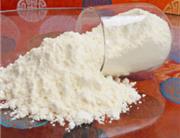
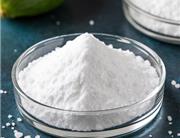
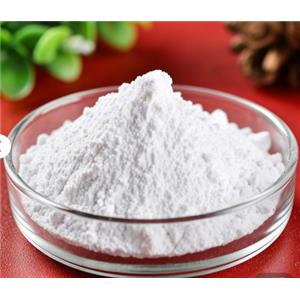
Appearance: White to light-yellow crystalline powder
(2) Physicochemical Properties
Melting Point: 115–117℃
Boiling Point: 285–287℃ (at atmospheric pressure)
Density: 1.64 g/cm³
Solubility: Slightly soluble in water, highly soluble in organic solvents (e.g., acetone, chloroform, ethyl acetate).
Chemical Characteristics:
Bromine and chlorine atoms in the molecule exhibit high reactivity, enabling nucleophilic substitution reactions with nucleophiles (e.g., amines, hydroxyl groups, thiols), yielding compounds with diverse functionalities.
Methyl groups at positions 4 and 6 enhance molecular stability and influence electron cloud distribution, affecting reaction activity.
II. Upstream and Downstream Industrial Chain Analysis
(1) Upstream Raw Materials and Synthesis Process
(2) Downstream Products and Derivatives
Pharmaceuticals:
Key intermediate for novel antidepressants and antiepileptic drugs. Structural modifications enable compounds with specific pharmacological activities.
Potential anticancer applications via disrupting tumor cell metabolism or signaling pathways.
Agrochemicals:
Precursor for low-toxicity insecticides and fungicides. Derivatives target pest nervous systems or fungal cell wall synthesis.
Critical for novel herbicides with selective weed control and minimal crop impact.
Materials Science:
III. Core Application Fields
(1) Pharmaceutical R&D and Innovative Drugs
Antidepressants: Derivatives regulate neurotransmitters (e.g., serotonin, dopamine) to alleviate depressive symptoms. Clinical trials show efficacy with low side effects.
Antiepileptics: Derivatives stabilize neuronal membrane potentials and inhibit abnormal discharges, demonstrating anticonvulsant effects in animal models.
(2) Agrochemical Innovation and Green Pest Control
Insecticides: Derivatives disrupt pest neural systems (e.g., inhibiting acetylcholinesterase) with low environmental toxicity.
Fungicides: Inhibit fungal growth by interfering with cell wall synthesis or respiration, effective against crop diseases (e.g., wheat rust, cucumber powdery mildew).
(3) Materials Science and Advanced Technologies
IV. Technical Advantages and Market Dynamics
(1) Technical Advantages
(2) Market Trends
Growing demand in pharmaceuticals, agrochemicals, and materials science.
2024 Global Market Size: ~$15 million, projected to grow at 12%–15% annually.
Major producers in China, USA, and Europe. Chinese firms gain market share via cost advantages and technological progress.
V. Safety and Storage Recommendations
(1) Hazards
Irritating to eyes, skin, and respiratory tract. Avoid inhalation, ingestion, or skin contact. Use protective equipment (goggles, gloves, respirator).
Toxic; avoid contact with food or beverages.
(2) Storage Conditions
Store in a cool, dry, well-ventilated warehouse away from heat, ignition sources, oxidizers, acids, and bases. Keep containers sealed.
VI. SEO Optimization Strategy
(1) Keyword Layout
Formatted for clarity and SEO optimization while maintaining technical accuracy.



 China
China