Property | Value |
Systematic Name | 9-Anthracenylmethyl methacrylate |
Common Name | 9-Anthrylmethyl methacrylate |
CAS Number | 31645-35-9 |
Molecular Formula | C₁₉H₁₆O₂ |
Molecular Weight | 276.33 g/mol |
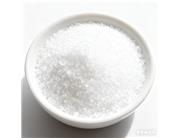
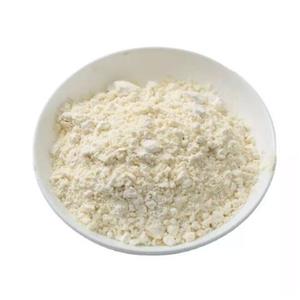
Appearance | Light yellow to orange solid powder |
Melting Point | 80-85 °C (lit.) |
Boiling Point | 443.0 ± 14.0 °C (predicted) |
Density | 1.159 ± 0.06 g/cm³ (predicted) |
Solubility | Soluble in acetone, chloroform, dichloromethane, hot ethanol, ethyl acetate, toluene |
Description of 9-Anthracenylmethyl methacrylate
9-Anthracenylmethyl methacrylate (CAS: 31645-35-9), also known as 9-anthrylmethyl methacrylate, is a photoreactive fluorescent monomer. Featuring an anthracene chromophore, it exhibits strong UV absorbance at λ_max 249 nm and solubility in organic solvents like acetone, chloroform, and toluene. This versatile compound is widely used in polymer synthesis to create fluorescent copolymers for optical fiber sensors, such as tetracycline detection, and UV-protective coatings.
Application of 9-Anthracenylmethyl methacrylate
9-Anthracenylmethyl methacrylate (9-AMM), a photoreactive fluorescent monomer, is extensively employed in optoelectronic materials and photopolymerization studies due to its anthracene-induced light-responsive and fluorescent properties. It serves as a key component in photolithography for fabricating photoresists in printed circuit boards, integrated circuits, flat panel displays, OLEDs, LCDs, and MEMS devices, enabling precise patterning and high-resolution imaging. In sensor technology, 9-AMM forms fluorescent copolymers for optic fiber sensors detecting analytes like tetracycline, enhancing sensitivity in biosensing applications. Additionally, it acts as a monomer in light-curing resins for UV-curable coatings, inks, adhesives, and photosensitive papers, providing superior adhesion and durability.
Storage of 9-Anthracenylmethyl methacrylate
It should be kept in a cool, dark place below 15°C to prevent photodegradation and polymerization. Room temperature is acceptable for short-term use, but refrigeration (2-8°C) is recommended for long-term stability. Seal in airtight containers under an inert atmosphere to minimize exposure to air and moisture. Avoid direct sunlight, heat, or humidity.



 China
China