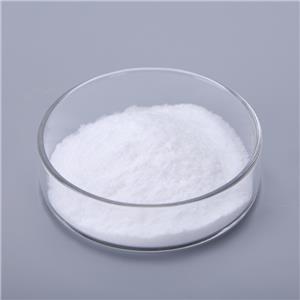
Alendronate sodium (CAS No.: 121268-17-5) is a third-generation amino bisphosphonate—the gold standard first-line drug for the prevention and treatment of osteoporosis and bone metabolic disorders. It is characterized by high bone selectivity, potent anti-bone resorption activity, good oral bioavailability (for bisphosphonate class) and long-term clinical safety, and is recommended as a priority agent for bone disease management by the World Health Organization (WHO), American College of Rheumatology (ACR) and International Osteoporosis Foundation (IOF). Its core mechanism of action is selectively targeting and inhibiting osteoclast-mediated bone resorption: it binds tightly to the hydroxyapatite crystals of bone mineral (especially in active bone resorption sites), is internalized by osteoclasts, and then inhibits the key enzyme farnesyl pyrophosphate synthase (FPPS) in the mevalonate pathway. This inhibition blocks the prenylation of small GTP-binding proteins (e.g., Ras, Rho) in osteoclasts, disrupting osteoclast cytoskeleton formation, cell maturation and bone resorption function, and ultimately inducing osteoclast apoptosis. By reducing excessive bone resorption and restoring the balance between bone formation and resorption, alendronate sodium increases bone mineral density (BMD), improves bone microarchitecture and mechanical strength, and significantly reduces the risk of osteoporotic fractures. It acts exclusively on skeletal tissue with minimal systemic distribution, which is the main reason for its low off-target side effects.
Alendronate sodium is the most widely used bisphosphonate in clinical practice, with its applications centered on the prevention and treatment of primary and secondary osteoporosis (the core indication) and the management of Paget’s disease of bone (osteitis deformans). It is suitable for adult patients of all genders (postmenopausal women, men, and glucocorticoid users) and is formulated into daily and weekly oral preparations for convenient clinical use, with dosage individualized according to the type of bone disease and patient risk stratification. Below is a systematic elaboration of its detailed clinical uses, applicable populations, therapeutic characteristics and key usage notes, in line with the latest global osteoporosis and bone metabolism clinical guidelines (2024).
Core Clinical Uses: Prevention and Treatment of Osteoporosis
Osteoporosis is a systemic skeletal disease characterized by low BMD and deteriorated bone microarchitecture, leading to increased bone fragility and fracture risk. Alendronate sodium is the first-line oral agent for all major types of osteoporosis in adults, with both preventive (for high-risk populations with no established osteoporosis) and therapeutic (for patients with diagnosed osteoporosis or a history of osteoporotic fractures) efficacy. It is the most studied bisphosphonate for osteoporosis, with over 30 years of clinical evidence confirming its ability to reduce the risk of all major osteoporotic fractures (vertebral, hip, non-vertebral) by 30%–70%.
1. First-Line Indication: Postmenopausal Osteoporosis (PMOP)
This is the most common and primary clinical use of alendronate sodium, targeting postmenopausal women—the largest population with osteoporosis worldwide. Estrogen deficiency after menopause leads to a sharp increase in osteoclast activity and accelerated bone resorption (postmenopausal bone loss), which is the main cause of PMOP.
Therapeutic use: For postmenopausal women with diagnosed PMOP (low BMD + osteoporotic fracture or high fracture risk), alendronate sodium rapidly reduces bone turnover markers (e.g., β-CTX, PINP) within 1–3 months, increases lumbar spine and hip BMD by 5%–10% after 1 year of treatment, and up to 10%–15% after 3–5 years. It significantly reduces the risk of vertebral fractures (the most common osteoporotic fracture) by 60%–70%, hip fractures by 40%–50%, and non-vertebral fractures (wrist, humerus, rib) by 30%–40%.
Preventive use: For postmenopausal women within 5–10 years of menopause (the "bone protection critical window") with normal BMD but high fracture risk (e.g., family history of osteoporosis, low body weight, sedentary lifestyle, smoking/alcohol abuse), low-dose alendronate sodium effectively slows down postmenopausal bone loss, maintains BMD, and prevents the development of overt osteoporosis.



 China
China