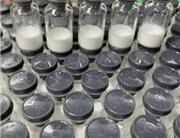
BPC 157 Product Introduction
Overview BPC 157 (Body Protection Compound‑157) is a synthetic, stable gastric pentadecapeptide composed of 15 amino acids with the sequence Gly‑Glu‑Pro‑Pro‑Pro‑Gly‑Lys‑Pro‑Ala‑Asp‑Asp‑Ala‑Gly‑Leu‑Val (GEPPPGKPADDAGLV). It is derived from a protective protein in human gastric juice and is widely used in preclinical research for its potential wound‑healing, gastrointestinal cytoprotective, and neuroprotective activities. Identifiers: CAS 137525‑51‑0; molecular formula C62H98N16O22; average molecular weight ≈1419.5 Da. Suppliers typically offer it as a white to off‑white lyophilized powder intended for research use only61012.
Reported Key Features and Mechanisms
Gastrointestinal mucosal protection and ulcer healing: demonstrates cytoprotection in the GI tract and cultured enteric neurons/glia. In ex vivo organ bath studies using rat and human intestinal strips, BPC 157 at 40 µmol/L suppressed motility; ELISA showed reduced 5‑hydroxytryptamine (5‑HT) in rat ileum and colon, suggesting modulation of enteric 5‑HT synthesis/release.
Modulation of catecholaminergic and dopaminergic pathways: in a 48‑h restraint‑stress GI lesion model in rodents, protection by BPC 157 (intragastric or intraperitoneal, 10 µg or 10 ng/kg) was abolished by co‑administration of phentolamine, clonidine, or haloperidol, but not by prazosin, yohimbine, or domperidone; atenolol blocked only intraperitoneal protection, while propranolol affected only intragastric protection. Co‑stimulation with adrenaline and bromocriptine markedly reduced lesion development.
Vasomotor and endothelial function: reported to modulate vascular tone via thec–Caveolin‑1–endothelial nitric oxide synthase (eNOS)** pathway in preclinical studies.
Toxicology and safety signals: animal studies report a favorable safety profile; however, human clinical data are limited, and it is not approved for clinical use in major regulatory regions (e.g., US/EU)



 China
China