Carminic acid is a natural, anthraquinone-based pigment that serves as the brilliant red coloring agent in cochineal dye. It is extracted from the bodies of female Dactylopius coccus scale insects, which feed on prickly pear cacti.
Chemical Nature: It is a complex organic molecule classified as an anthraquinone glycoside. Its structure includes a sugar unit (glucose) attached to an anthraquinone core, which is responsible for its intense color and stability.
Color Properties: Its color is highly pH-dependent:
Historical Use: It has been used for centuries as a prized textile dye (e.g., "crimson" robes) and later as a natural food and cosmetic colorant (listed as E120 or Natural Red 4).
2. Primary (Commercial) Uses
In its commercial, food, or cosmetic grades, carminic acid (often processed into carmine, its aluminum or calcium-aluminum lake complex) is used as a colorant in:
Food & Beverages: Yoghurts, ice cream, candies, juices, alcoholic drinks.
Cosmetics: Lipsticks, blushes, eyeshadows.
Artists' Pigments: High-quality watercolors and oils.
3. Uses in "Chemical Grade"
The term "chemical grade" (or reagent grade, laboratory grade) indicates the compound is supplied with a high degree of purity and a detailed Certificate of Analysis (CoA) intended for scientific research and analytical procedures, not for consumption or commercial product formulation.
For Carminic acid, this grade is used in laboratories for the following key purposes:
a. Biological Staining and Histology
Purpose: To selectively stain cellular components for microscopic examination.
Application: Carminic acid is a classic nuclear stain. It binds to chromatin and is a key component in specialized staining solutions.
Specific Use: It is the active ingredient in ****
**, a complex stain used primarily in entomology and zoology to vividly stain chitinous tissues, glycogen, and cell nuclei in small insects, embryos, and anatomical specimens. This allows for exceptional differentiation of tissues under a microscope.
b. pH Indicator
Purpose: To visually indicate the pH of a solution.
Application: Due to its dramatic and reversible color change across a wide pH range (yellowish-red in acid to violet in alkali), chemical-grade carminic acid can be used to prepare natural pH indicator solutions or papers for educational or research demonstrations.
c. Analytical Reagent (Complexometric Agent)
d. Research in Materials Science and Sensor Development
e. Reference Standard in Analytical Chemistry
Key Characteristics: Chemical Grade vs. Other Grades
| Feature | Chemical / Reagent Grade | Food Grade (E120) / Cosmetic Grade |
|---|
| Primary Use | Laboratory analysis & research | Human consumption or topical application |
| Certification | Certificate of Analysis (CoA) detailing purity (e.g., ≥95% by HPLC), identity, and trace impurities. | Complies with food additive monographs (FCC, EU) or cosmetic regulations, focusing on safety contaminants (heavy metals, pathogens, residual solvents). |
| Purity Focus | High chemical purity, precise quantification of the acid itself. | Purity is important, but safety from allergens (from insect protein) and specific toxicological impurities is paramount. May be sold as "carmine" (the metal complex). |
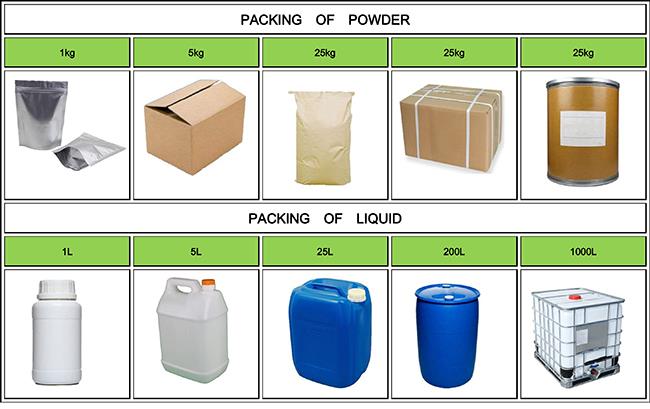
| Packaging & Labeling | Plain lab bottle/vial. Clearly labeled "For research use only" or "Not for human consumption." | Bulk packaging suitable for manufacturing. Labeled for food or cosmetic use. |
| Price & Quantity | Often sold in small gram quantities at a premium due to high purity for analysis. | Sold in larger, commercial quantities (kilograms). |
Summary
Carminic Acid is a historically significant natural red pigment derived from cochineal insects.
In its chemical grade form, it is not used as a colorant in products.
Its primary uses are scientific:
As a specialized biological stain (notably in acetocarmine).
As an analytical reagent for metal ion detection and pH indication.
As a research compound in developing sensors and sustainable materials.
As a reference standard for quality control and forensic analysis.
Chemical-grade carminic acid is sourced from suppliers of laboratory fine chemicals and biochemicals, and must be handled according to standard laboratory safety protocols.






 China
China