Carnauba wax, derived from the leaves of the Brazilian palm *Copernicia prunifera*, is a natural plant wax renowned for its hardness, high melting point, and glossy finish. Its unique properties make it valuable across diverse industries. Here’s a detailed breakdown of its applications:
1. Food Industry (Primary Use)
Food Coating & Glazing Agent
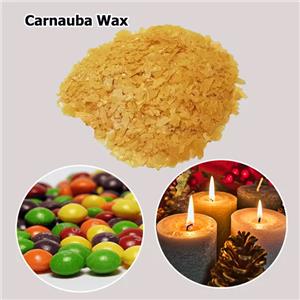
Confectionery: Provides a shiny, non-stick coating for chocolates, gummies, and candies (e.g., M&Ms, jelly beans).
Fresh Produce: Extends shelf life of fruits (e.g., apples, citrus) by reducing moisture loss.
Chewing Gum: Adds chewiness and prevents sticking.
Regulation: Approved by FDA (USA), EFSA (EU), and GB 2760 (China) as food additive E903.
2. Cosmetics & Personal Care
Lipsticks & Balms: Enhances durability and glossy finish.
Mascara & Eyeliners: Improves water resistance and texture.
Creams & Lotions: Acts as a thickener and emulsifier.
Nail Polish: Adds shine and prevents chipping.
Vegan Alternative: Replaces beeswax in cruelty-free products.
3. Pharmaceuticals
Tablet & Pill Coating: Protects drugs from moisture and masks bitter tastes.
Ointments: Provides consistency and slow-release properties.
4. Automotive & Industrial
Car Waxes & Polishes: Creates a water-repellent, high-gloss finish.
Leather Polish: Conditions and protects leather goods.
Floor & Furniture Wax: Used in natural wood polishes.
5. Other Applications
-Candles: Hardens wax blends for slower burning.
Paper Coatings: Adds water resistance (e.g., food packaging).
Art Supplies: Used in encaustic painting and crayons (e.g., Crayola).
Key Properties Driving Its Use
High Melting Point (~82–86°C): Stable in hot climates.
Non-Toxic & Hypoallergenic: Safe for direct food/body contact.
Water Resistance: Ideal for protective coatings.
Sustainability Note
Harvested sustainably by drying palm leaves, carnauba wax is biodegradable and eco-friendly, though deforestation concerns require ethical sourcing (look for **“Certified Organic”** or **Sustainably Harvested** labels).


 China
China