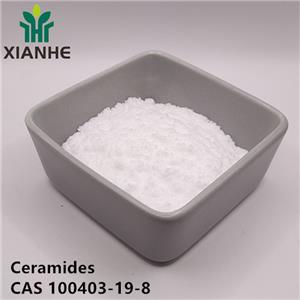
**Ceramides: Definition, Functions, and Applications**
**Definition:**
Ceramides are a family of lipid molecules naturally found in the skin's outermost layer (stratum corneum). They play a critical role in maintaining the skin barrier and retaining moisture. Structurally, ceramides consist of sphingosine and a fatty acid, making them essential components of the skin's lipid matrix.
**Functions:**
1. **Barrier Protection:** Ceramides strengthen the skin barrier, preventing moisture loss and shielding against environmental aggressors like pollutants and irritants.
2. **Hydration:** By retaining water, ceramides help keep the skin hydrated, soft, and supple.
3. **Anti-Aging:** They support skin elasticity and reduce the appearance of fine lines and wrinkles.
4. **Repair:** Ceramides aid in restoring damaged skin barriers, making them ideal for sensitive or compromised skin.
**Applications:**
1. **Skincare:** Widely used in moisturizers, serums, and anti-aging products to enhance hydration and barrier function.
2. **Haircare:** Incorporated into shampoos and conditioners to repair and strengthen hair cuticles.
3. **Medical Dermatology:** Utilized in treatments for eczema, psoriasis, and other skin conditions to restore the skin's natural barrier.
4. **Cosmetics:** Added to foundations and primers for a smoother, more hydrated complexion.


 China
China