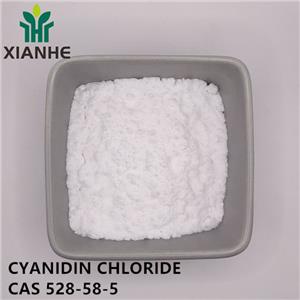
**Cyanidin Chloride: Definition, Functions, and Applications**
**Definition:**
Cyanidin Chloride is a natural flavonoid compound derived from plants, particularly found in fruits like tart cherries. It is a water-soluble pigment responsible for the red and blue colors in many fruits and vegetables. Its chemical formula is C15H11ClO6, and it is widely recognized for its bioactive properties.
**Functions:**
1. **Antioxidant Activity:** Cyanidin Chloride protects cells from oxidative stress by neutralizing free radicals, making it beneficial for cellular health.
2. **Anti-Inflammatory Effects:** It inhibits NF-κB activation and reduces inflammation, which is useful in managing inflammatory conditions.
3. **Anticancer Potential:** Studies show it can induce apoptosis in cancer cells and inhibit tumor growth, highlighting its potential in cancer research.
4. **Bone Health:** It suppresses RANKL-induced osteoclast formation, making it a candidate for treating bone-related diseases like osteoporosis.
**Applications:**
1. **Pharmaceuticals:** Used in research for developing treatments for osteoporosis, cancer, and inflammatory diseases due to its therapeutic properties.
2. **Cosmetics:** Incorporated into skincare products for its antioxidant and anti-aging benefits.
3. **Food Industry:** As a natural pigment, it is used in food coloring and functional foods for its health-promoting properties.


 China
China