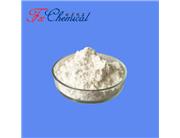
Specification
| Appearance | white powder |
Assay
| 98%min |
Welcome to contact us to get complete COA.
D-Psicose (also known as D-allulose) is a rare, naturally occurring monosaccharide sugar. It is a C-3 epimer of D-fructose, meaning it has an identical chemical formula to fructose but a different arrangement around one carbon atom, giving it unique properties.
Key Properties
Sweetness: About 70% as sweet as sucrose (table sugar).
Caloric Content: Extremely low (estimated at ~0.2-0.4 kcal/g versus 4 kcal/g for sucrose). It is metabolized differently and provides minimal usable energy.
Glycemic Impact: It does not raise blood glucose or insulin levels, making it a true non-glycemic sweetener.
Primary Uses and Applications
Its unique metabolic profile drives its major applications in food, health, and wellness:
Low-Calorie Bulk Sweetener: Used to replace sugar in a wide variety of products, providing bulk, texture, and caramelization properties similar to sugar, with minimal calories.
Food Products: Sugar-free or "keto-friendly" baked goods, chocolates, ice cream, beverages (soft drinks, juices), jellies, and dairy products.
Blood Sugar Management: As a non-glycemic sweetener, it is valuable for diabetic-friendly foods and for individuals following low-carb or ketogenic diets.
Flavor Enhancer & Masker: It can improve the overall taste profile of products containing high-intensity sweeteners (like stevia or sucralose) by masking metallic or bitter aftertastes and providing a more natural "sugary" mouthfeel.
Functional Food Ingredient: Research suggests it may have additional beneficial physiological effects, such as:
Anti-hyperglycemic: Helping to attenuate post-meal blood glucose spikes.
Potential Prebiotic: Influencing gut microbiota composition.
Antioxidant & Anti-inflammatory properties in some studies.
Safety and Regulatory Status
D-psicose is Generally Recognized As Safe (GRAS) by the U.S. FDA and approved for use in many countries (Japan, South Korea, EU, etc.).
While safe, high doses (typically >30-40g in a single sitting) can cause gastrointestinal discomfort (bloating, gas, diarrhea) due to incomplete absorption in the small intestine—a property common to many low-digestibility carbohydrates.
How It's Made
While it exists in tiny amounts in foods like figs, raisins, and molasses, commercial D-psicose is produced industrially via enzymatic conversion from the abundant, cheap sugar D-fructose (often derived from corn), using an enzyme called D-tagatose 3-epimerase.
In summary, D-psicose (allulose) is a cutting-edge, natural, low-calorie sugar that delivers the sensory pleasures of sugar with negligible metabolic impact, making it a pivotal ingredient in the development of healthier sugar-reduced and functional foods and beverages.
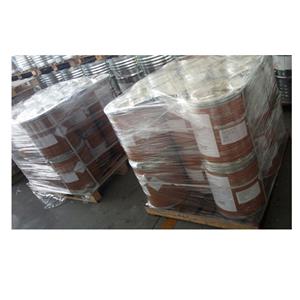
Package
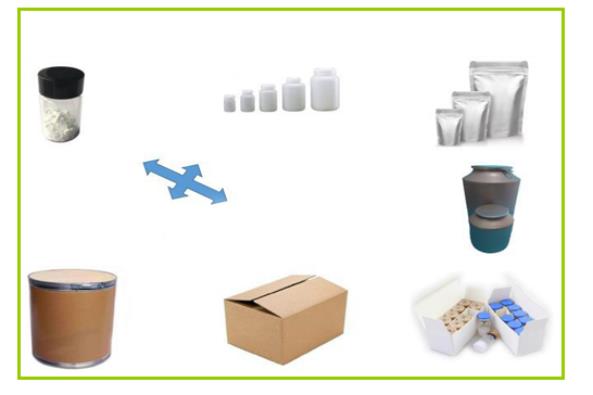
Shipping

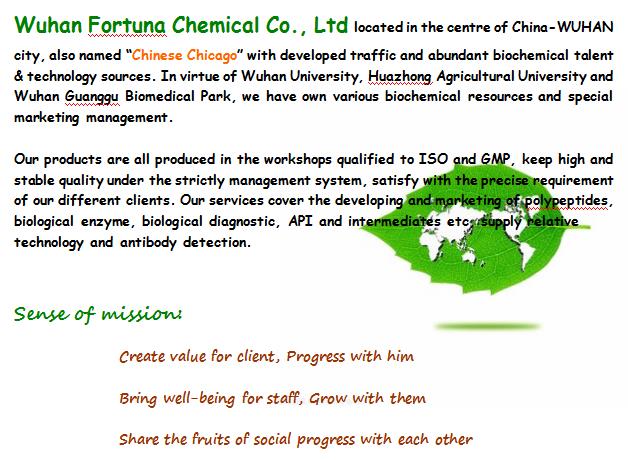
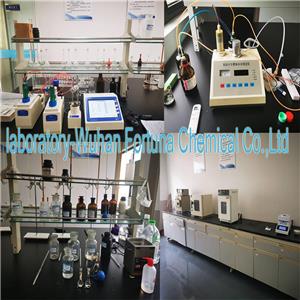
Company informations
Contact information






 China
China