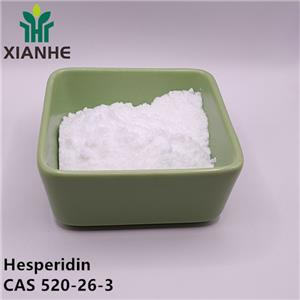
Introduction to Hesperidin
Definition:
Hesperidin is a flavonoid glycoside found in citrus fruits, particularly in oranges and lemons. It is composed of hesperetin, a flavonoid, bound to a sugar molecule. Hesperidin is widely recognized for its antioxidant and anti-inflammatory properties.
Functions:
· Anti-inflammatory: Hesperidin helps reduce inflammation by inhibiting the production of pro-inflammatory compounds, promoting overall tissue health.
· Antioxidant: It acts as a potent antioxidant, protecting cells from oxidative stress and damage caused by free radicals.
· Vascular Health: Hesperidin supports vascular health by improving blood circulation, strengthening blood vessels, and reducing capillary permeability.
· Immune Support: It has immune-boosting properties, helping to enhance the body’s natural defenses against infections.
Applications:
· Nutraceuticals: Hesperidin is commonly used in dietary supplements aimed at promoting cardiovascular health, reducing inflammation, and improving circulation.
· Cosmetics: Due to its antioxidant and anti-inflammatory effects, hesperidin is used in skincare products to protect skin from oxidative damage and reduce the appearance of wrinkles.
· Pharmaceuticals: It is studied for its potential therapeutic use in managing conditions such as varicose veins, hemorrhoids, and poor circulation.
· Food and Beverages: Hesperidin is sometimes added to functional foods and beverages for its health benefits, particularly for its anti-inflammatory and antioxidant properties.


 China
China