TYPICAL SPECIFICATIONS
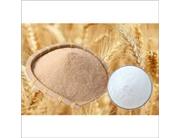
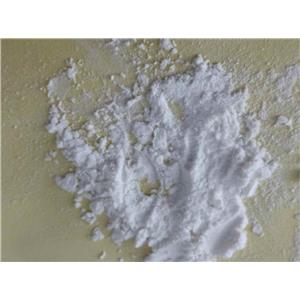
Description | White crystalline powder |
Identification | Infrared absorption uniformity |
Assay %(dry basis) | 98.5-101.5 |
Specific optical rotation[a]D20° | -9.8o ~ -11.2o |
Loss on drying ≤% | 0.30 |
Residue on ignition ≤% | 0.40 |
Chloride (Cl) ≤% | 0.04 |
Sulfate (SO4) ≤% | 0.04 |
Iron(Fe) ≤% | 0.003 |
Heavy metals(Pb) ≤% | 0.0015 |
APPLICATIONS
L-Tyrosine is one of theamino acids, which are the building blocks of protein. The body makes L-Tyrosine from another amino acid called phenylalanine. L-Tyrosine can also be found in dairy products, meats, fish, eggs, nuts, beans, oats, and wheat.
L-Tyrosine is used in protein supplements to treat an inherited disorder called phenylketonuria (PKU). People who have this problem can't process phenylalanine properly, so as a result they can't make L-Tyrosine To meet their bodies' needs, supplemental L-Tyrosine is given.
PACKAGING
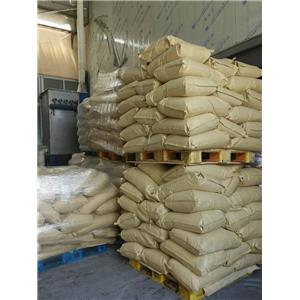
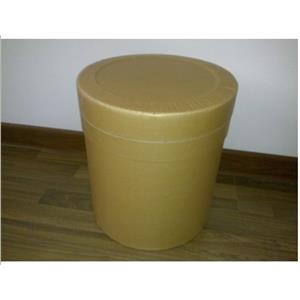
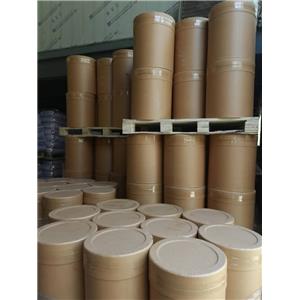
25kg cardboard drum
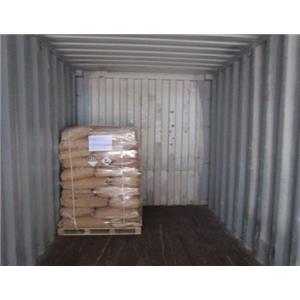
25kg kraft bag
25kg Woven bag
1000kg jumbo bags
Custom packaging available upon request
STORAGE & HANDLING
Storage: Usually stored in a cool, dry place, away from direct sunlight, in airtight containers.
Handling precautions: It is generally safe but should be handled in accordance with standard chemical safety protocols.
Shelf life: 2 years under proper storage
SAFETY & TRANSPORT
Classification: Non-hazardous
Toxicity: Not typically hazardous, but overuse or misuse may cause issues like nausea, dizziness, or allergic reactions in some individuals.
Transport: Not classified as dangerous goods
SDS and COA available upon request