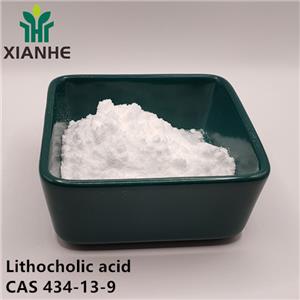
Lithocholic Acid
Definition: Lithocholic acid is a bile acid derived from cholesterol. It is a naturally occurring secondary bile acid formed by the bacterial transformation of primary bile acids in the intestines.
Functions:
· Fat Digestion: Lithocholic acid aids in the digestion and absorption of fats by emulsifying them, helping to break down dietary fats in the intestine.
· Cholesterol Regulation: It plays a role in regulating cholesterol levels and promoting the excretion of excess cholesterol from the body.
· Bile Acid Metabolism: Lithocholic acid is involved in the enterohepatic circulation and plays a key role in bile acid metabolism.
Applications:
· Pharmaceutical Industry: Lithocholic acid is used in the development of drugs for cholesterol management and liver-related diseases.
· Cosmetic Formulations: It is incorporated in skin care products due to its anti-inflammatory properties.
Research: Lithocholic acid is used in scientific research, particularly in studies of bile acid metabolism and cholesterol metabolism.