Of course. Here is a detailed explanation of the applications of Malachite Green, covering its historical, current, and controversial uses.
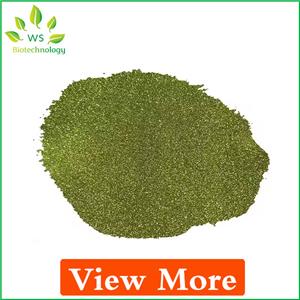
Malachite Green is a synthetic organic compound that has been used for over a century. Its applications fall into two main categories: as a **dye** and as a **biocidal agent** (antifungal and antiparasitic). However, its use is highly controversial due to significant health risks.
1. Primary (and Controversial) Application: Aquaculture
Historically, the most significant use of Malachite Green has been in **fish farming (aquaculture)**.
Purpose: It is extremely effective against:
Fungal Infections: Such as saprolegniasis (cotton wool disease) on fish eggs and adult fish.
Parasitic Infections: Including external parasites like Ichthyophthirius multifiliis (Ich or white spot disease), flukes, and others.
Bacterial Infections: It has some antibacterial properties.
Why it was popular: It is inexpensive, readily available, and very effective, often working when other treatments fail.
The Major Problem: Toxicity
Malachite Green is not a selective drug; it is highly toxic to both humans and animals. The main concerns are:
Carcinogenicity: It has been shown to promote tumor growth in laboratory animals.
Genotoxicity: It can cause genetic mutations and damage DNA.
Teratogenicity: It can cause developmental defects and harm to fetuses.
Long Persistence: It breaks down into a metabolite called Leucomalachite Green, which can persist in animal tissues (like fish muscle) for a very long time, posing a chronic health risk to consumers.
As a result of these risks, the use of Malachite Green is BANNED for use in food-producing animals in many countries, including the United States, the United Kingdom, Canada, the European Union, and many others.**
2. Approved and Current Applications
Despite its ban in food aquaculture, it still has several legal and niche uses.
a) Aquarium Industry (Ornamental Fish)
This is the most common legal use today. Because ornamental fish are not intended for human consumption, the health risks are considered manageable by hobbyists.
It is sold in formulations specifically for treating fungal and parasitic outbreaks in home aquariums and ponds.
Important Note: Even in this context, it must be handled with care—wearing gloves and avoiding inhalation or contact with skin.
b) Biological Stain (Histology)
In scientific and medical laboratories, Malachite Green is used as a specialized stain:
Endospore Staining: It is the primary dye in the Schaeffer-Fulton method for staining bacterial endospores (e.g., in *Bacillus* and *Clostridium* species). The endospores retain the green dye, allowing them to be easily identified under a microscope.
c) Industrial Dye
As its name implies, it was first developed as a dye for materials.
It is used to color silk, wool, leather, paper, and cotton a distinctive green-blue hue.
In this context, it is treated as an industrial chemical, not a pharmaceutical.
d) Disinfectant
It has been used as a topical antiseptic for disinfecting surfaces, equipment, and even in hatcheries to disinfect fish eggs (though this practice is also heavily restricted for food fish).


 China
China