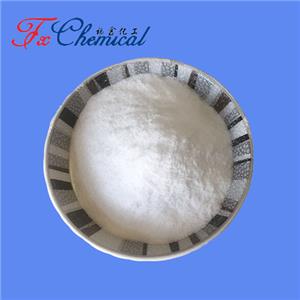
What is Mupirocin Calcium?
Mupirocin Calcium is the calcium salt of mupirocin, a unique antibiotic originally isolated from the bacterium Pseudomonas fluorescens. It is exclusively for topical use (applied to the skin or mucous membranes) and is not used systemically.
Its key mechanism of action is highly specific: it inhibits bacterial isoleucyl-tRNA synthetase, an enzyme essential for bacteria to produce proteins. Without this enzyme, the bacteria cannot synthesize proteins needed for survival and replication. This mechanism is distinct from other common antibiotic classes, making cross-resistance less likely.
Primary Applications
The primary use of Mupirocin Calcium is to treat and prevent localized skin infections caused by specific bacteria.
1. Treatment of Localized Skin Infections (Impetigo)
Impetigo: This is the most classic and common FDA-approved indication. Impetigo is a contagious, superficial skin infection common in children, characterized by honey-colored crusts and redness. It is primarily caused by Staphylococcus aureus and Streptococcus pyogenes.
How it's used: A small amount of mupirocin calcium ointment (typically 2%) is applied to the affected area 2-3 times daily for 7-10 days.
2. Eradication of Nasal Colonization with MRSA
MRSA (Methicillin-Resistant Staphylococcus aureus): This is a critically important application. Some people are "colonized" with MRSA, meaning the bacteria live in their nose (anterior nares) without causing an active infection. However, these individuals can spread MRSA to others and are at a higher risk of developing a serious infection themselves, especially during surgery.
How it's used: A special intranasal formulation (Mupirocin Calcium 2% ointment, often in a single-use nasal applicator) is applied inside the nostrils twice daily for 5 days. This is a standard protocol to decolonize the nose before surgeries (e.g., cardiac, orthopedic, neurosurgery) and in hospital outbreaks to prevent the spread of MRSA.
3. Treatment of Secondary Infected Traumatic Skin Lesions
This refers to minor cuts, scrapes, wounds, or eczema that have become secondarily infected with bacteria like S. aureus or S. pyogenes. The ointment helps clear the infection so the wound can heal properly.
4. Other Off-Label Dermatological Uses
Folliculitis: Infection and inflammation of hair follicles.
Bacterial Superinfection in Dermatological Conditions: Used for areas of skin affected by conditions like eczema or psoriasis that have developed a bacterial infection.


 China
China