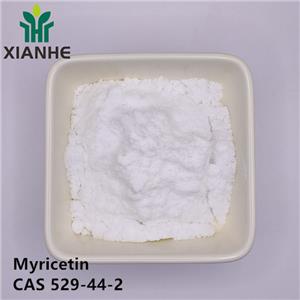
Introduction to Myricetin
Definition:
Myricetin is a flavonoid compound found in various fruits, vegetables, and plants, including berries, grapes, and tea. Known for its powerful antioxidant properties, myricetin is commonly used in dietary supplements and functional foods.
Functions:
· Antioxidant: Myricetin is a potent antioxidant that helps neutralize free radicals in the body, reducing oxidative stress and supporting overall cellular health.
· Anti-inflammatory: It possesses anti-inflammatory properties, which help reduce inflammation and may contribute to the management of chronic conditions such as arthritis.
· Cardiovascular Health: Myricetin supports heart health by improving blood circulation, reducing cholesterol levels, and preventing the buildup of plaque in arteries.
· Anti-Cancer: Some studies suggest myricetin may have anti-cancer effects by inhibiting cancer cell growth and promoting apoptosis (cell death) in tumor cells.
Applications:
· Nutraceuticals: Myricetin is widely included in dietary supplements for its antioxidant, anti-inflammatory, and heart health benefits.
· Cosmetics: Due to its antioxidant and anti-aging properties, myricetin is used in skincare products to help protect against UV damage, reduce wrinkles, and maintain youthful skin.
· Functional Foods and Beverages: Myricetin is added to functional food products and health drinks for its health-promoting effects, particularly in supporting cardiovascular health and reducing oxidative stress.
· Research: It is also used in research for exploring its potential therapeutic benefits in the prevention and treatment of chronic diseases, including cancer and cardiovascular conditions.


 China
China