Property | Value |
Systematic Name | 2-Propenoic acid, 2-methyl-, 4-hydroxyphenyl ester |
Common Name | 4-Hydroxyphenyl methacrylate |
CAS Number | 31480-93-0 |
Molecular Formula | C₁₀H₁₀O₃ |
Molecular Weight | 178.18 g/mol |
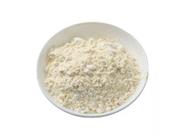
Appearance | White to light yellow to light orange solid |
Melting Point | 120 °C |
Boiling Point | 320.4 °C (predicted) |
Density | 1.161 g/cm³ (predicted) |
Flash Point | 140.5 °C |
Vapor Pressure | 0.00017 mmHg at 25 °C |
Description of p-hydroxyphenyl methacrylate
4-Hydroxyphenyl methacrylate (CAS: 31480-93-0), also known as hydroquinone monomethacrylate, is a key methacrylate monomer. Appearing as a white to light yellow solid, it melts at 120°C and is valued for its thermal stability and predicted boiling point of 320.4°C.
Application of p-hydroxyphenyl methacrylate
4-Hydroxyphenyl methacrylate (HPMA), a multifunctional methacrylate monomer, is widely utilized as a crosslinking agent in dental restorative materials, composites, and adhesives, enhancing adhesion to tooth structures, biocompatibility, and polymerization efficiency for improved durability in clinical applications. In polymer synthesis, it serves as a key building block for UV-curable coatings, inks, and photoresists, offering superior chemical resistance and tailored mechanical properties in biomedical devices and drug delivery systems. Additionally, HPMA acts as a pharmaceutical intermediate and precursor for carbon nanotubes, supporting adsorption studies and membrane technologies under UV irradiation for gel formation.
Storage of p-hydroxyphenyl methacrylate
It should be kept in a cool, dry, and dark environment to maintain stability and inhibit premature polymerization. Seal in airtight containers under an inert atmosphere, such as nitrogen, to protect against moisture and oxygen. Avoid exposure to light, heat, or contaminants. For extended storage, consider -20°C in a freezer.



 China
China