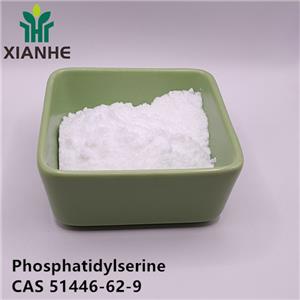
Introduction to 3-SN-Phosphatidyl-L-Serine (3-SN-PS)
Definition:
3-SN-Phosphatidyl-L-Serine (3-SN-PS) is a phospholipid compound naturally found in the membranes of cells, particularly in the brain. It is a derivative of phosphatidylserine (PS), where the serine molecule is linked to the third carbon position of the glycerol backbone. It plays a crucial role in cell function, especially in neuronal health.
Functions:
· Cognitive Support: 3-SN-Phosphatidyl-L-Serine is known to support cognitive function, improve memory, and enhance focus, particularly in aging individuals.
· Neuroprotection: It helps protect brain cells from oxidative stress and damage, contributing to the prevention of neurodegenerative diseases.
· Mood Regulation: It has been shown to help balance neurotransmitter levels, improving mood and reducing stress and anxiety.
· Cell Membrane Integrity: As a phospholipid, 3-SN-PS contributes to maintaining the structure and fluidity of cell membranes, supporting overall cell health.
· Athletic Performance: Some studies suggest that it can help reduce exercise-induced cortisol levels, aiding in recovery and improving physical performance.
Applications:
· Nutraceuticals: 3-SN-Phosphatidyl-L-Serine is commonly used in dietary supplements designed to improve cognitive function, mental clarity, and memory.
· Functional Foods & Beverages: It is added to functional foods such as energy drinks, protein bars, and health supplements aimed at supporting brain health and reducing stress.
· Pharmaceuticals: 3-SN-PS is included in formulations for neurodegenerative conditions, mood disorders, and cognitive decline, particularly in elderly populations.
· Cosmetics: Due to its cell membrane-supporting properties, it is also used in skincare products to promote skin cell health and protect against aging.


 China
China