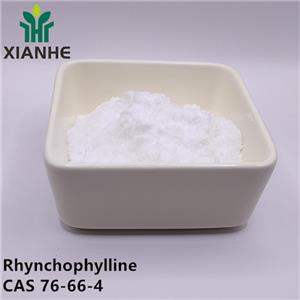
Rhynchophylline: Definition, Functions, and Applications
Definition: Rhynchophylline is a natural alkaloid compound primarily found in Uncaria rhynchophylla, a plant widely used in traditional medicine. Known for its neuroprotective and cardiovascular benefits, Rhynchophylline is gaining recognition for its therapeutic potential.
Functions: Rhynchophylline offers several important functions:
· Promotes cardiovascular health by supporting healthy blood circulation.
· Exhibits neuroprotective effects, helping to protect against neurodegenerative diseases.
· Demonstrates anti-inflammatory and antioxidant properties.
Applications: Rhynchophylline is utilized in various industries, including:
· Pharmaceuticals: Used in formulations for cardiovascular support and neurodegenerative disease prevention.
· Nutraceuticals: Key ingredient in dietary supplements aimed at promoting brain health and overall well-being.
· Cosmetics: Incorporated into products for its anti-inflammatory and antioxidant benefits, promoting healthy skin.