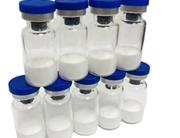
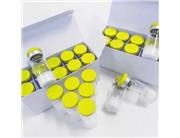
Semaglutide is a long-acting glucagon-like peptide‑1 (GLP‑1) receptor agonist developed by Novo Nordisk for chronic metabolic diseases. It is available in three main formulations: a once‑weekly subcutaneous injection (Ozempic, Wegovy) and an oral tablet (Rybelsus). The molecule is a 31‑amino‑acid peptide with approximately 94% sequence homology to human GLP‑1 and features key modifications—Aib at position 2 and a C‑terminal fatty‑acid (C18) modification via a PEG linker—that confer albumin binding, resistance to DPP‑4 degradation, and an extended half‑life supporting weekly dosing. Core identifiers: CAS 910463‑68‑2, molecular formula C187H291N45O59, molecular weight 4113.58 g/mol124512.
Mechanism of Action and Pharmacokinetics
Mimics endogenous GLP‑1 to enhance glucose‑dependent insulin secretion, suppress glucagon, and slow gastric emptying.
Activates GLP‑1 receptors in the hypothalamus and brainstem to reduce appetite and caloric intake.
Albumin binding and DPP‑4 resistance extend systemic exposure; median tmax ≈ 1.5 hours; long half‑life enables once‑weekly administration56.
Indications and Approvals
Type 2 diabetes (T2D) glycemic control: indicated in adults as an adjunct to diet and exercise; in the United States, Ozempic 0.25–1 mg once weekly is approved, and Rybelsus 3/7/14 mg orally once daily is approved for T2D.
Weight management: in the United States, Wegovy 2.4 mg once weekly is approved for adults with BMI ≥30 kg/m² or BMI ≥27 kg/m² with at least one weight‑related comorbidity.
Cardiovascular risk reduction: in adults with T2D and established cardiovascular disease, semaglutide is indicated to reduce major adverse cardiovascular events (e.g., cardiovascular death, non‑fatal myocardial infarction, non‑fatal stroke).
Regulatory note: In China, semaglutide injection is approved for T2D and cardiovascular risk reduction; it is not approved for obesity treatment in China.
Efficacy Highlights
In a phase 3 trial (STEP 2) of adults with overweight/obesity and T2D, semaglutide 2.4 mg once weekly for 68 weeks achieved a mean weight loss of −9.6% vs −3.4% with placebo (difference −6.2 percentage points; p<0.0001); 68.8% vs 28.5% of participants achieved ≥5% weight loss.
As add‑on to basal insulin (SUSTAIN 5, 30 weeks), mean HbA1c reductions were −1.4% (0.5 mg) and −1.8% (1.0 mg) vs −0.1% wiacebo; weight loss was −3.7 kg and −6.4 kg vs −1.4 kg, respectively.
In T1D with automated insulin delivery (double‑blind, randomized, crossover, n=28), time in range 3.9–10.0 mmol/L increased by +4.8 percentage points with semaglutide vs placebo (p=0.006) without increasing hypoglycemia91011.
Dosing and Administration
Injection (Ozempic/Wegovy): Start 0.25 mg subcutaneously once weekly for 4 weeks, increase to 0.5 mg once weekly (minimum *4 w), then to 1.0 mg once weekly if further glycemic control is needed (maximum dose). For obesity, use Wegovy 2.4 mg once weekly foll label‑specific titration. Administer on any day of the week; if a dose is missed, take within 5 days; otherwise, skip and resume the regular schedule.
Oral (Rybelsus): Once‑daily tablets in 3/7/14 mg strengths; follow the approved tion schedule per product labeling.
Safety,raindications, and Interactions
Coadverse events: Gastrointestinal symptoms (nausea, vomiting, diarrhea, constipation) are most frequent, typically mild‑to‑moderate and transient.
Serious but rare: Pancreatitis (discontinue if suspected); diabetic retinopathy complications may worsen transiently with rapid glucoseovement; small mean **heart rate increase (~1–6 bp
Contraindications: Personafamily history of **medullary thyroid carcinoTC)*MEN do not usetype 1 diabetor diabetic kidosi
Use in pregnaneastfeeding: Not rendedng pregnannimal data indicate reproductive toxicitscontinue egnancurs.d durreastng



 China
China