**Sinomenine: Definition, Functions, and Applications**
**Definition:**
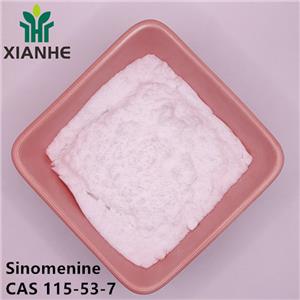
Sinomenine is a natural alkaloid extracted from the plant *Sinomenium acutum*, commonly known as Qing Teng in traditional Chinese medicine. It is a bioactive compound with a molecular formula of C19H23NO4 and is widely recognized for its therapeutic properties.
**Functions:**
1. **Anti-Inflammatory:** Sinomenine inhibits NF-κB activation, reducing inflammation and making it effective in treating conditions like rheumatoid arthritis and rheumatism.
2. **Analgesic:** It activates μ-opioid receptors, providing pain relief without the side effects associated with traditional opioids.
3. **Immunomodulatory:** Sinomenine regulates immune responses by suppressing pro-inflammatory mediators such as prostaglandins and leukotrienes.
**Applications:**
1. **Pharmaceuticals:** Used in formulations for treating autoimmune diseases, particularly rheumatoid arthritis, due to its anti-inflammatory and immunomodulatory effects.
2. **Research:** Widely utilized in scientific studies to explore its mechanisms of action and potential applications in other inflammatory and immune-related conditions.
3. **Traditional Medicine:** Incorporated into traditional Chinese medicine for its analgesic and anti-rheumatic properties.


 China
China