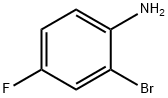
2-Bromo-4-fluoroaniline: Synthesis & Synthetic Applications
2-Bromo-4-fluoroaniline is a crucial fluorinated aromatic amine intermediate, synthesised via selective bromination of 4-fluoroaniline. The bromine and fluorine atoms in its molecular structure confer high reactivity, making it widely used in pharmaceuticals, pesticides, and organic synthesis. It serves to construct fluorinated heterocycles, participates in Suzuki coupling reactions, and is employed in synthesising antibacterial and antitumour drugs, as well as highly effective herbicides. This product is irritating to the skin, eyes, and respiratory tract. It must be stored sealed, protected from light and moisture. Adequate protective measures should be taken during handling.
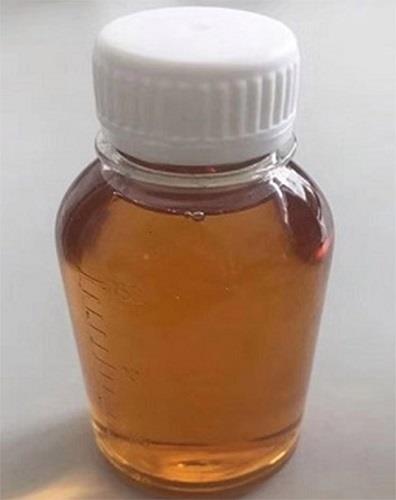
Synthesis of 2-Bromo-4-fluoroaniline
Because fluorine is the most electronegative element, the introduction of fluorine atoms makes fluorine-containing organic compounds have unique physical properties, chemical properties and physiological activities, and makes fluorine-containing organic compounds have chemical stability, surface activity and excellent surface activity. Features such as temperature resistance. Therefore, extensive and in-depth research and application of fluorine-containing compounds have been carried out in many cutting-edge technologies and major industrial projects, as well as in medicine and pesticide industries. Sequentially add N-acetyl-2-bromophenylhydroxylamine (2.30g, 0.010mol), KF (0.29g, 0.005mol) and dichloromethane (20mL) into a stirred 50mL reaction flask, and cool to 0°C. Pass sulfonyl fluoride (2.04g, 0.020mol), seal the system, slowly warm up to room temperature, stir and react for 12h, add saturated brine (20mL) to wash after the reaction is complete, and concentrate the organic phase under reduced pressure to distill off dichloromethane to obtain white Solid N-acetyl-2-bromo-4-fluoroaniline (2.23g), adding N-acetyl-2-bromo-4-fluoroaniline to 2mol/L hydrochloric acid (20mL), heating and refluxing for 12h, After the reaction was detected by TLC, NaOH (5mol/L) was added to adjust the pH to alkaline (8-10), and the organic solvent was added with dichloromethane (50mL) for extraction. The organic phase was washed with saturated brine, dried with anhydrous sodium sulfate, and reduced After pressure removal, the crude product was subjected to column chromatography to obtain pure 2-bromo-4-fluoroaniline as a red liquid (1.73 g, yield 91.0%).[1]
Preparation of 3-bromo-4-bromonitrophenol from 2-Bromo-4-fluoroaniline
Upper bromine reaction: adding p-fluoroaniline, solvent acetic acid to the reaction vessel, the ratio of the reagent acetic acid (volume) to p-fluoroaniline used is in the range of 2.0-6.0 (mL): 1 (g), preferably 3.0- 5.0 (mL): 1 (g). Stirring, cooling in ice water bath, adding NBS in batches, the ratio of the amount of NBS to p-fluoroaniline used is in the range of 1.0 to 1.5:1, and the preferred ratio is in the range of 1.05 to 1.1:1; the temperature of the dropping process will rise. The reaction temperature ranges from 0 to 30 ° C, and the preferred reaction temperature range is from 0 to 10 ° C. The feed rate is controlled so that the temperature does not exceed 10 ° C. After the addition is completed, the stirring is continued, and the GC is traced until the reaction is completed. After completion of the reaction, the mixture was cooled to a little cold water, filtered, and dried to give a white solid. Nitrogen on diazonium: Add the first step product 2-bromo-4-fluoroaniline and fluoroboric acid to the reaction vessel, stir, cool in ice brine, add sodium nitrite in batches, and control the temperature at 15 °C during the feeding process. Hereinafter, the preferred temperature is 5 ° C or lower. The ratio of fluoroboric acid (mL) to 2-bromo-4-fluoroaniline (g) ranges from 2.5:1.0 to 5.5:1.0, with a preferred ratio ranging from 3.0:1.4:1.0.[2]
The ratio of the amount of sodium nitrite to 2-bromo-4-fluoroaniline is in the range of 1.1:1.0 to 2.5:1.0, and the preferred ratio is in the range of 1.3:1 to 1.8:1.0. After the addition is completed, stir for a while, suction filtration, and filter cake for use. Copper powder is added to another reaction flask, and the ratio of the mass of the copper powder to the amine is in the range of 0.02 to 0.25:1, and the preferred ratio is in the range of 0.05 to 0.15:1. The sodium nitrite aqueous solution is added, and the concentration of the sodium nitrite solution is 10 to 40%, of which 20 to 30% is preferred. The molar ratio of sodium nitrite to 2-bromo-4-fluoroaniline is from 10 to 30:1, preferably from 15 to 20. The above-mentioned reserve is added in portions under stirring, and the process temperature is controlled at 10 to 55 ° C, preferably at a temperature of 20 to 45 ° C. After the addition is completed, stirring for a while, acidification, extraction, rotary evaporation, and crystallization to obtain 2-bromo-4-fluoronitrobenzene. The hydrolysis reaction is carried out by adding an aqueous sodium hydroxide solution to the reaction flask at a concentration of 8 to 20%, and an optimum concentration range of 12 to 15%. The ratio of the amount of NaOH to 3-bromo-4-nitrofluorobenzene used ranges from 1.2 to 50:1, with a preferred ratio ranging from 1.4 to 5.5:1. The reaction temperature is controlled in the range of 60 to 105 ° C, preferably in the range of 95 to 105 ° C. The above nitro compound was added in portions, and after the addition, the reaction was kept for a while, and the GC was traced until the reaction was completed. After a little cold, after acidification, the ice water is hydrolyzed and filtered to obtain the target.
References
[1]CN113416139A
[2]CN109369411A
You may like
See also
Lastest Price from 2-Bromo-4-fluoroaniline manufacturers
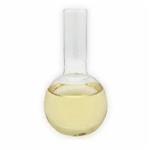
US $40.00/kg2025-03-07
- CAS:
- 1003-98-1
- Min. Order:
- 1kg
- Purity:
- 0.99
- Supply Ability:
- 10 tons
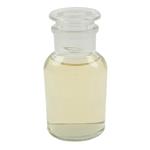
US $5.00-2.00/KG2024-10-11
- CAS:
- 1003-98-1
- Min. Order:
- 1KG
- Purity:
- 99%
- Supply Ability:
- 10000kg