4-Phenylbutyric Acid: Physiological Functions & Therapeutic Potential
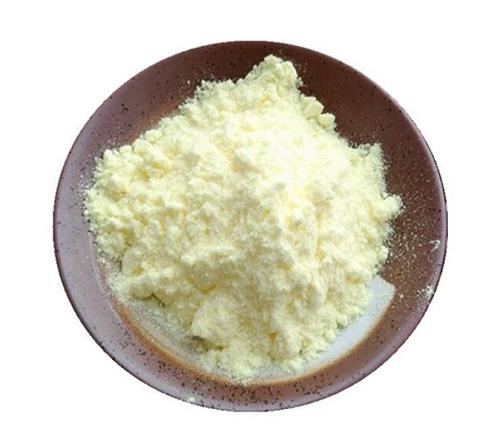
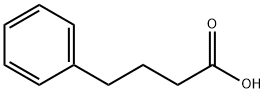
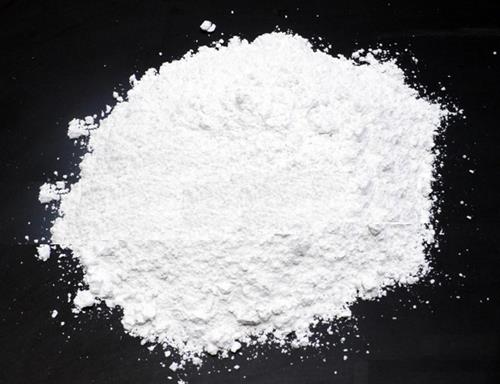
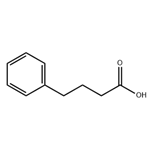
4-Phenylbutyric acid is an aromatic fatty acid organic compound. At ambient temperature, this substance exists as a white crystalline powder with a melting point of 47–50°C and a boiling point of 280°C. It is slightly soluble in water but readily soluble in organic solvents such as ethanol, diethyl ether, and acetone. It combines the stability of aromatic hydrocarbons with the characteristic reactivity of carboxylic acids. It serves as a crucial organic synthesis intermediate, with core applications in pharmaceuticals and fine chemicals. 4-Phenylbutyric acid is used in synthesizing anti-epileptic and anti-depressant drugs, functions as a histone deacetylase inhibitor, and holds significant value in targeted cancer drug development. Additionally, it is employed in producing fine chemicals such as fragrances and food additives.
4-Phenylbutyric acid improves hepatic insulin resistance
Obesity is characterized by elevated circulating free fatty acids that cause insulin resistance in the liver and periphery. FFAs induce endoplasmic reticulum stress, which occurs when misfolded or unfolded proteins amass in the ER, and ER stress causes insulin resistance. Chemical chaperones that reduced ER stress, such as 4-phenylbutyric acid and taurine-conjugated ursodeoxycholic acid, have been used in rodent and human studies to alleviate insulin resistance. PBA and TUDCA improve insulin sensitivity in the liver and periphery, including muscle and adipose tissue, of ob/ob mice. Our collaborative studies in humans show that PBApartially prevents whole-body insulin resistance induced by prolonged infusion of intralipid, a soy oil emulsion rich in ω-6 polyunsaturated fatty acids, plus heparin. However, it remained to be investigated whether PBA acted as a chemical chaperone to reduce ER stress in this model since 4-Phenylbutyric acid has pleiotropic effects, including its property to inhibit histone deacetylases. Furthermore, it was not assessed whether PBA prevented hepatic insulin resistance and if this was due to alleviation of hepatic ER stress. In rats, where liver tissue collection is feasible, we have found that neither N-acetyl-L-cysteine, an antioxidant, nor salicylate, an IκBα kinase β inhibitor, prevents hepatic insulin resistance caused by 48 h IH infusion. Thus, the objective of the current study was to determine whether 4-Phenylbutyric acid could prevent induction of hepatic insulin resistance in this rat model and if this was due to alleviation of hepatic ER stress.[1]
The chemical chaperone PBA is a Food and Drug Administration (FDA)-approved drug that acts to assist protein folding resulting in alleviation of ER stress. In the present study, we examined its effect on IH-induced insulin resistance. In our 48 h IH infusion model in rats, we found that the ability of 4-Phenylbutyric acid to alleviate IH-induced hepatic insulin resistance occurs independently of changes in ER stress markers in the liver. This by itself is novel information and extends the indications for PBA to models where ER stress is absent. Instead, our findings suggest that prolonged IH infusion elevates some markers of ER stress in adipose tissue, which is prevented by PBA co-administration. The use of chemical chaperones such as 4-Phenylbutyric acid and TUDCA to treat obesity-associated insulin resistance is an attractive therapeutic strategy because they are effective and are already approved for clinical use in the treatment of other disorders such as urea cycle disorders and cholestatic liver disease, respectively. In conclusion, the results of the current paper indicate that PBA prevents FFA-induced hepatic insulin resistance in vivo, independent of hepaticER stress. The 4-Phenylbutyric acid effect to improve hepatic insulin sensitivity is likely due to direct Akt stimulation by FGF21, perhaps in concert with decreased fetuin-A. Improving hepatic insulin sensitivity is important therapeutically, as the liver plays a dominant role in the pathogenesis of hyperglycemia.
4-Phenylbutyric acid protects islet β cell against cellular damage
Diabetes mellitus, a pressing and growing health problem that affects over 463 million adults (20–79 years old) worldwide has become a global epidemic. The pathogenesis of diabetes is a very complex phenomenon. In addition to genetic and environmental factors, abnormal secretion of insulin counter-regulatory hormones such as glucocorticoids (GCs) is also one of the mechanisms of diabetes pathogenesis. Pancreatic β-cells, the sites of insulin synthesis, have abundant endoplasmic reticulum (ER) structures. For maintaining cell viability and function, steady-state maintenance of ER is vital. 4-Phenylbutyric acid (4-PBA) is a non-selective chemical small molecule with a chaperone-like effect in increasing protein stability. It helps unfolded protein remodeling and has been approved by the U.S. Food and Drug Administration (FDA) for the prevention and treatment of diseases caused by the accumulation of misfolded proteins such as in motor neuron disease. Moreover, researches have also shown that 4-PBA can attenuate the GCs induced apoptosis of MC3T3-E1 osteoblast-like cells and inhibit ER stress and mitochondrial dysfunction. In this study, using mouse insulinoma cell line MIN6, the effects of DEX which is a GC on ER-related proteins and respective insulin secretion-related genes were investigated in vitro. Also, we explored whether 4-Phenylbutyric acid would affect the aforesaid regulation and if so, can it provide new targets for the prevention and treatment of diabetes.[2]
In this study, firstly, we found that long-term exposure to DEX induces ERS and ERS-mediated apoptosis in MIN6 cells, both in a time and concentration-dependent manner. Interestingly, 4-Phenylbutyric acid could alleviate these DEX-induced UPR changes in the MIN6 cells in vitro. This is evident by the simultaneous reduction of BIP and the three pathway-related genes, downstream of the ER stress response, ATF6, IRE1, and PERK to the normal control level. Moreover, 4-PBA also inhibited the DEX-induced ERS-mediated apoptosis. Concerning insulin synthesis and release, low concentrations of DEX did not affect the expression levels of GLUT2 and PDX1 genes in MIN6 cells. As an inhibitor of ER stress, 4-Phenylbutyric acid eliminates intracellular UPR, and inhibits ER stress by regulation of several vital proteins, including BIP, PERK, ATF6, IRE1 and CHOP. Upregulation of some ER stress markers, especially BIP and CHOP, was observed in MIN6 cells after DEX intervention, suggesting that ER stress was induced by DEX. In summary, our study demonstrated that suppression of ER stress with 4-PBA inhibits GC-induced apoptosis by attenuating ER stress. We also observed that 4-Phenylbutyric acid alone inhibit expression of CHOP, PERK, ATF6, IRE1 and BIP at 24 h, some even at 12 h.
4-Phenylbutyric acid act as a translation inhibitor
Proteins play a critical role in the cell, and the correct folding of a protein is often performed by a specialized group of proteins—molecular chaperones—yet this is quite a delicate mission that can easily be disrupted. A possible solution is the use of chemical chaperones which help fold proteins. One such suggested—and frequently mentioned—molecule is 4-Phenylbutyric acid (4PBA). Our results show that 4PBA is an mRNA translation attenuator, reducing translation levels from bacteria to mammalian cells, both in vitro and in cells. However, it does not affect protein stability or refolding capacity in any of the tested substrates or methods. These results shed light on another biochemical function of 4PBA, translation attenuation, which will help to correctly use 4PBA and increase the range of its potential applications. 4-Phenylbutyric acid possibly alleviates proteostatic or ER stress by inhibiting protein synthesis, allowing the cells to cope with misfolded proteins by reducing the protein load. Better understanding of 4-Phenylbutyric acid biochemical mechanisms will improve its usage in basic science and as a drug in different pathologies, also opening new venues for the treatment of different diseases.[3]
References
[1]Pereira S, Moore J, Li JX, Yu WQ, Ghanim H, Vlavcheski F, Joseph YD, Dandona P, Volchuk A, Cummins CL, Tsiani E, Giacca A. 4-Phenylbutyric acid improves free fatty acid-induced hepatic insulin resistance in vivo. Endocr Connect. 2021 Jul 28;10(8):861-872. doi: 10.1530/EC-21-0248. PMID: 34319253; PMCID: PMC8346193.
[2]Zhou X, Xu Y, Gu Y, Sun M. 4-Phenylbutyric acid protects islet β cell against cellular damage induced by glucocorticoids. Mol Biol Rep. 2021 Feb;48(2):1659-1665. doi: 10.1007/s11033-021-06211-5. Epub 2021 Feb 10. PMID: 33566227; PMCID: PMC7925466.
[3]Stein D, Slobodnik Z, Tam B, Einav M, Akabayov B, Berstein S, Toiber D. 4-phenylbutyric acid-Identity crisis; can it act as a translation inhibitor? Aging Cell. 2022 Dec;21(12):e13738. doi: 10.1111/acel.13738. Epub 2022 Nov 14. PMID: 36373957; PMCID: PMC9741500.
You may like
Lastest Price from 4-Phenylbutyric acid manufacturers
US $0.00/KG2025-04-15
- CAS:
- 1821-12-1
- Min. Order:
- 1KG
- Purity:
- 99%
- Supply Ability:
- 500000kg
US $0.00-0.00/kg2025-04-04
- CAS:
- 1821-12-1
- Min. Order:
- 1kg
- Purity:
- 98%
- Supply Ability:
- 1Ton