Alpha-Mangostin: Immunomodulatory and Anti-Inflammatory Properties
Introduction
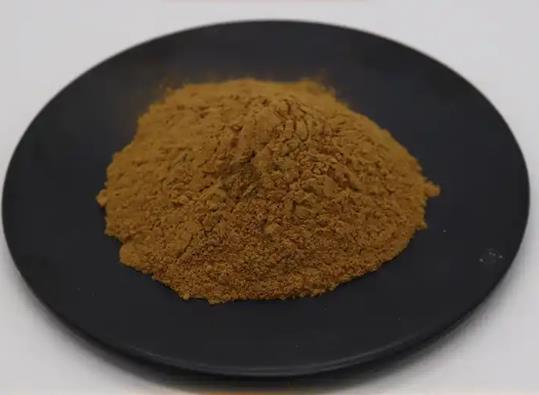
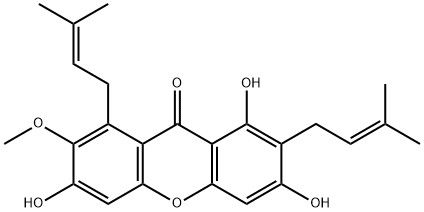
Alpha-Mangostin (α-M, Fig. 1), the first most abundant polyphenolic xanthone isolated from pericarps, bark and dried sap of the mangosteen fruit (Garcinia mangostana L.), has a long history of medicine in Southeast Asian countries as a traditional medicine. The compound is a yellowish powder with a tricyclic aromatic planar system and side chains with isoprene, methoxyl and hydroxyl groups. A lot of groups have researched on its activities, which include anti-oxidant, anti-inflammatory, anti-bacterial and anti-tumor. In a series of experiments reported in recent years, it has been found that compound alpha-mangostin has a potential to slow down cognitive decline and also shows a delaying effect on alzheimer’s disease (AD).[1] . α-Mangostin has a molecular formula of C24H26O6 and a molecular weight of 410.45 g/mol. The compound is known for its poor solubility in water but is soluble in organic solvents such as ethanol, methanol, and dimethyl sulfoxide (DMSO). With a melting point of around 180-181◦C, the chemical properties of α-mangostin play a crucial role in its bioactivity,especially in the context of therapeutic applications. The xanthone structure of α-mangostin significantly contributes to its bioactivity through its unique chemical configuration, which comprises a tricyclic aromatic system with various functional groups attached to its rings. This structural arrangement facilitates interactions with biological targets, influencing its pharmacological activities. The specific functional groups at positions C-1,C-3, C-6, and C-8 of the xanthone molecule are crucial in defining the biological activity of α-mangostin. These positions are implicated in modulating various pathways, such as anti-inflammatory and anti-cancer mechanisms. The presence of hydroxyl groups, in particular, enhances antioxidant capacity, allowing α-mangostin to scavenge free radicals effectively, thereby exerting cytoprotective effects. While α-mangostin demonstrates a favorable safety profile with no apparent hepatotoxic effects at common dosages, interactions with certain medications may pose risks. Thus, individuals on specific drug therapies should approach its use with caution and under medical supervision to mitigate any potential adverse effects.[2]
Anti-Inflammatory Effects of α-Mangostin[2]
α-Mangostin has also been studied regarding more specific organ- or pathogen-related inflammation. One in vivo study examined the protective potential of α-mangostin against UVB damage in HR-1 hairless male mice and found that α-mangostin (100 mg/kg) inhibited UVB-induced wrinkle formation and increased epidermal thickness more than 2-foldwhen compared to nontreatment groups. Additionally, α-mangostin also exhibited antioxidant effects, through enhancing superoxide dismutase (SOD) catalytic activity, and overall photoprotective effects, through the suppression of pro-inflammatory cytokine mRNA expression, including IL-1β, IL-6 and TNFα, and the protein expression of matrix metalloproteinase (MMP)-1 and -9. Numerous studies have linked the pathogenesis ofphotoaging to MMP induction and cytokine release. Overall, Im and colleagues effectively demonstrated α-mangostin’s potential in alleviating UVB-induced skin damage.[2]
Joint disorders
There are numerous studies displaying the therapeutic benefits of α-mangostin for joint disorders like arthritis. For example, in one combined in vitro and in vivo study, the effects of α-mangostin in alleviating angiogenesis in adjuvant-induced arthritic (AIA) male Wistar rats and human umbilical vein endothelial cells (HUVECs) were examined. α-Mangostin (30 mg/kg) treatment in AIA rats restored elevated blood levels of granulocytes, lymphocytes, and intermediate cells, shown by decreased paw swelling and joint deformation.
Digestive and Metabolic Disorders
α-Mangostin has been studied for its anti-inflammatory benefits in digestive and metabolic disorders. In one in vivo study, researchers investigated the effects of α-mangostin in ameliorating dextran sulfate sodium (DSS)-induced ulcerative colitis (UC) inmale ICR mice. Oral pretreatment with α-mangostin (30 mg/kg) for 7 days suppressed DSS-stimulated rises in serum levels of ROS, NO, and myeloperoxidase (MPO), exhibiting significant antioxidative and anti-inflammatory effects. The enzyme MPO is widely generated by macrophages, monocytes, and neutrophils. MPO activity is thought to be a particular marker of neutrophil infiltration in colitis, which causes inflammatory damage to the mucosa. Compared to the control group, α-mangostin (30 mg/kg) pretreatment also completely restored MCP-1 colonic mRNA expression, while also succeeding at downregulating TLR-2 mRNA expression. Additionally, α-mangostin (30 mg/kg)also significantly suppressed the DSS-stimulated colonic levels of TNFα mRNA expression,but did not, however, restore these levels, as seen with sulfasalazine (100 mg/kg) and G.mangostana pericarp extract (40, 200, and 1000 mg/kg) treatments. Moreover, it is suggested that pro-inflammatory cytokines, including TNFα, increase the expression of adhesion molecules.
Hepatic Disorders
Previous studies have also examined α-mangostin for its preventative and therapeutic anti-inflammatory properties in liver diseases. α-Mangostin (50 mg/kg/day) showed reduced macrophage infiltration and inflammatory cytokines in the liver and white adipose tissue (WAT) of α-mangostin-treated mice compared to high-fat diet (HFD) control mice.This was shown using immunohistochemistry with the macrophage marker F4/80. Additionally, the study examined the expression of pro-inflammatory cytokines (TNFα, MCP-1,CCR2, and IL-6) and the anti-inflammatory cytokine IL-10 in the liver, WAT, and LPS-treated RAW 264.7 cells.
Neurological Disorders
The anti-neuroinflammatory benefits of α-mangostin have also been demonstrated in various studies. In an in vivo study, Catorce and colleagues expanded on the potent anti-neuroinflammatory effects of α-mangostin in LPS-induced C57BL/6J mice.ELISA analyses proved α-mangostin (40 mg/kg) treatment to be successful in attenuating the LPS-stimulated levels of the pro-inflammatory marker IL-6 in the brain, whereas those of IL-1β and TNFα remained unaltered. Additionally, the background and LPS-induced brain tissue protein expression of COX-2, an enzyme associated with inflammation and the synthesis of prostaglandins, was also significantly downregulated by treating mice with α-mangostin (40 mg/kg).
Respiratory Disorders
The anti-inflammatory benefits of α-mangostin may also have therapeutic effects in respiratory issues. For example, in a combined in vitro and in vivo study, the activation of the cholinergic anti-inflammatory pathway (CAP) through the α-mangostin treatment of LPS-induced acute lung injury (ALI) was explored in male Sprague Dawley rats and RAW264.7 cells.
Immunomodulatory Effects of α-Mangostin[2]
In addition to the anti-inflammatory properties of α-mangostin, discussed above,α-mangostin has also been investigated for its immunomodulatory properties, including innate immunity, the body’s first line of defense, and adaptive immunity, specific responses mediated by B and T lymphocytes. These involve both cellular and humoral immune responses. Understanding the effects that α-mangostin has on different types of immunity is necessary for determining its therapeutic potential in various conditions and disorders.
α-Mangostin has been shown to influence adaptive immunity by modulating T cell activity, particularly in conditions associated with excessive immune responses. Beyond its role in T cell modulation, α-mangostin has been implicated in regulating humoral immunity. Jang et al. demonstrated that α-mangostin (10 and 30 mg/kg) significantly reduced BALF levels of IL-4, IL-5, IL-13, and TGF-1β in an ovalbumin (OVA)-induced allergic asthma model in BALB/c mice. α-Mangostin also influences innate immune responses, particularly macrophage polarization and migration. In LPS-stimulated murine bone marrow-derived dendritic cells (mBMDCs), α-mangostin (7 and 10 µg/mL) significantly downregulated the percentage and mean fluorescent intensity (MFI) of CD86 and CD40, reducing antigen-presenting cellactivation.
References
[1] Yang A, Liu C, Wu J, Kou X, Shen R. A review on α-mangostin as a potential multi-target-directed ligand for Alzheimer's disease. Eur J Pharmacol. 2021;897:173950. doi:10.1016/j.ejphar.2021.173950
[2] Majdalawieh AF, Khatib BK, Terro TM. α-Mangostin Is a Xanthone Derivative from Mangosteen with Potent Immunomodulatory and Anti-Inflammatory Properties. Biomolecules. 2025;15(5):681. Published 2025 May 7. doi:10.3390/biom15050681
You may like
See also
Lastest Price from Mangostin manufacturers
US $1200.00-1100.00/ton2025-11-06
- CAS:
- 6147-11-1
- Min. Order:
- 1ton
- Purity:
- 99%
- Supply Ability:
- 27
US $10.00/KG2025-04-21
- CAS:
- 6147-11-1
- Min. Order:
- 1KG
- Purity:
- 99%
- Supply Ability:
- 10 mt