Application Research of Gramicidin
Introduction
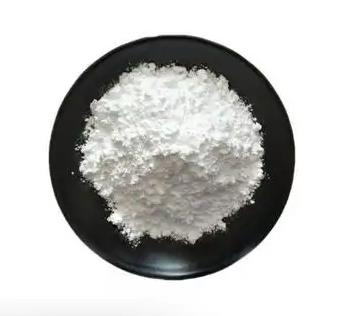
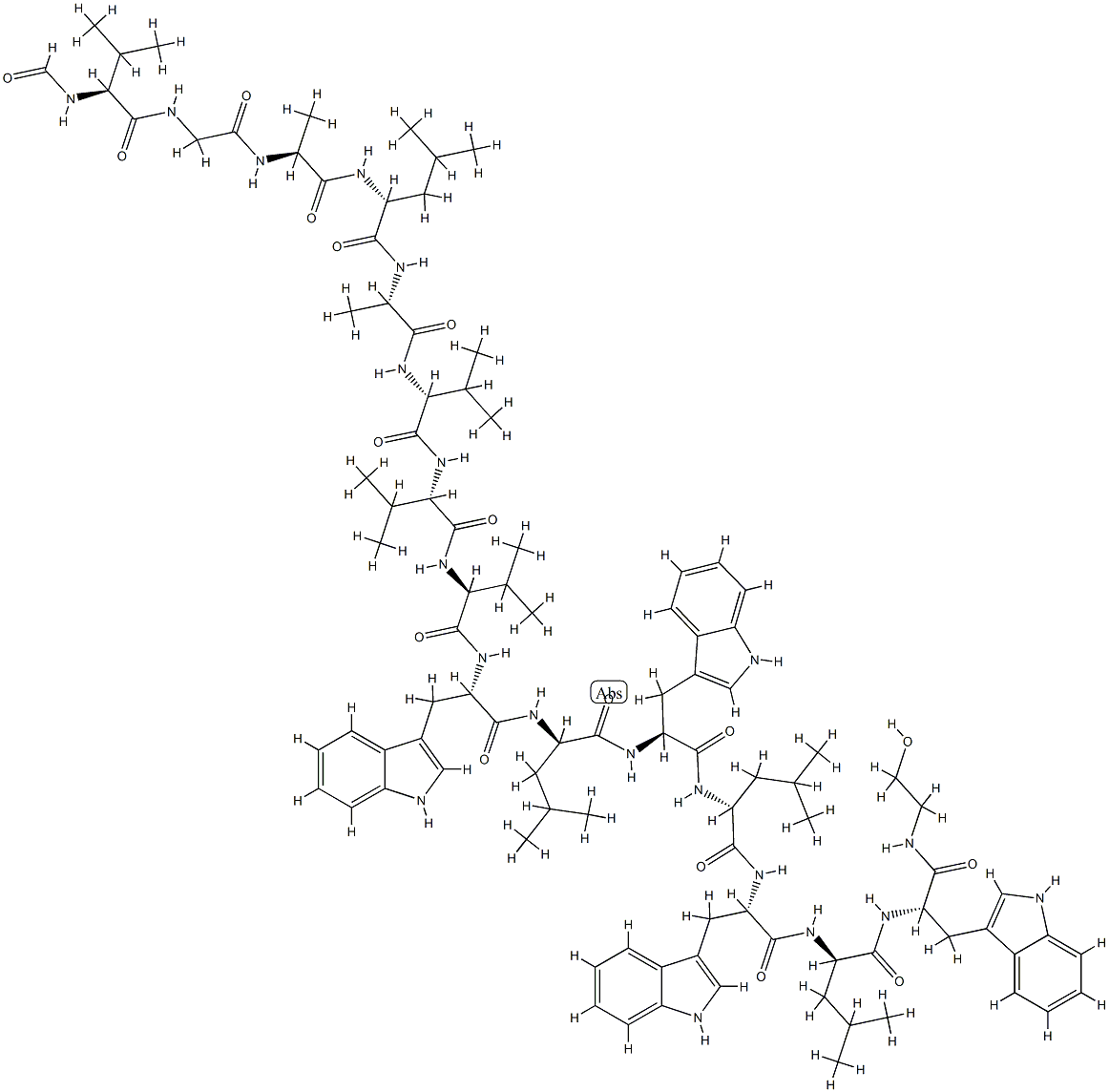
Gramicidin (Figure 1) was the first antibiotic ever to be isolated and has broad spectrum activity against gram-positive bacteria, fungi, and protozoa. Gramicidin does not irritate mucous membranes, is poorly absorbed through the skin, and it is still used today as one of the active ingredients in ophthalmic antimicrobial solutions, e.g., Neosporin. Cyclic or gramicidin S is used in the former Soviet Union (FSU) as an active ingredient of a spermicidal vaginal contraceptive and for the therapy of genital ulcers caused by various STDs. Gramicidin has recently been identified by us as a potent non-toxic anti-HIV agent with activity three to five orders of magnitude higher than nonoxynol-9-the most common spermicidal and anti-STD agent. Unlike the detergent nonoxynol-9, gramicidin acts as an ionophore by triggering the efflux of cytoplasmic potassium (K+) from target cells and causing the depolarization of the host cell membrane. On the other hand, infection by many enveloped viruses, including HIV and HSV, leads to a drastic increase of intracellular K+. Two separate events, virus entry and viral budding,are dependent on the cell surface polarity maintained by transmembrane ionic gradients. Thus, the alteration of K+ balance by channel-forming gramicidin would adversely affect the viral infection process requiring cellular cooperation. Although there are several classes of drugs that can regulate monovalent cation homeostasis very few are effective at low, non-toxic doses and most of them are used only for experimental purposes in vitro. Gramicidin appears to be the rare exception in this category of drugs.[1]
The effect of gramicidin on HIV
The effect of an anti-HIV compound, gramicidin, previously used as a topical antibiotic and vaginal contraceptive, on the replication of herpes simplex viruses (HSV) type 1 and 2 has been examined. Human WI-38 fibroblasts were inoculated with either HSV type in the presence of serial dilutions of gramicidin and reduction in viral yield was measured by ELISA.The 50% inhibitory dose (IC50) of gramicidin against 3 HSV-1 and 4 HSV-2isolates was equal to 0.3 mg/ml and was comparable to the efficacy of the antiHSV agent acyclovir (ACV). The IC50 of gramicidin required to protect WI-38 from cytolytic effect of HSV was 10mg/ml at day 5 postinfection, indicating that at this time point the activity of gramicidin was inferior than that of ACV. Nevertheless, gramicidin suppressed the replication of ACV-resistant thymidine kinase and DNA polymerase HSV mutants at doses effective against ACV-sensitive strains. The results suggest that the antimicrobial and spermostatic agent, gramicidin, has potential against sexually transmitted diseases (STDs) and for prophylaxis of sex-borne HIV and HSV infections.[1]
Effects of gramicidin and tryptophan-N-formylated gramicidin on the sodium and potassium content of human erythrocytes
In order to get a better understanding in the mechanism by which tryptophan-N-formylated gramicidin (NFG) and gramicidin kill the malaria parasite Plasmodium fakiparum in vitro, researchers studied the capacity of these peptides to change the potassium, as well as the sodium, composition of normal human erythrocytes, and their ability to cause cell lysis. It is shown that both peptides are able to induce potassium leakage from, and sodium flux into,erythrocytes in such a manner that it is most likely that they are able to form cation channels in the membrane of these cells. For both peptides, potassium efflux proceeds at a faster rate than sodium influx, but this difference is greater for NFG than for gramicidin. This explains the observation that gramicidin is more lytic than NFG is, even when comparing concentrations that show the same antimalarial activity. The finding that gramicidin is approximately 10 times more active than NFG in causing potassium efflux from normal erythrocytes, as well as in killing the malaria parasite, supports the hypothesis that peptide induced parasite death is related to their capacity to induce potassium leakage from infected erythrocytes. Finally, the observation that erythrocytes are able to restore their normal ion contents after losing more than 50% of their potassium content by incubation with NFG or gramicidin, suggests that,in vivo, and upon treatment with drug concentrations that cause full inhibition of parasite growth, these cells would not be irreversibly damaged by action of the drugs.[2]
References
[1] Bourinbaiar AS, Coleman CF.The effect of gramicidin, a topical contraceptive and antimicrobial agent with anti-HIV activity, against herpes simplex viruses type 1 and 2in vitro[J].Arch Virol. 1997;142(11):2225-35.
[2] Otten-Kuipers MA, Beumer TL, Kronenburg NA, et al. Effects of gramicidin andtryptophan-N-formylated gramicidin on the sodium and potassium content of humanerythrocytes[J].Mol Membr Biol. 1996;13(4):225-32.
You may like
Lastest Price from GRAMICIDIN manufacturers

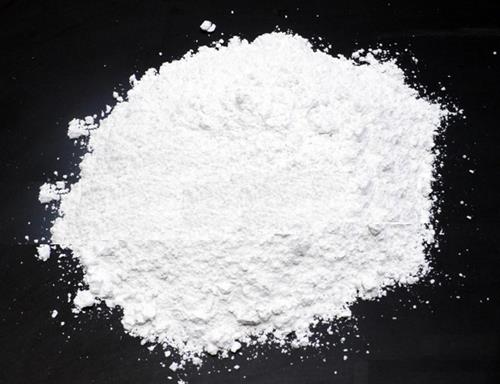
US $1.00/KG2025-08-30
- CAS:
- 1405-97-6
- Min. Order:
- 1KG
- Purity:
- 98%
- Supply Ability:
- 20T
US $100.00-80.00/KG2024-10-11
- CAS:
- 1405-97-6
- Min. Order:
- 10KG
- Purity:
- 99%
- Supply Ability:
- 10000kg