Application research of Lactitol
Introduction
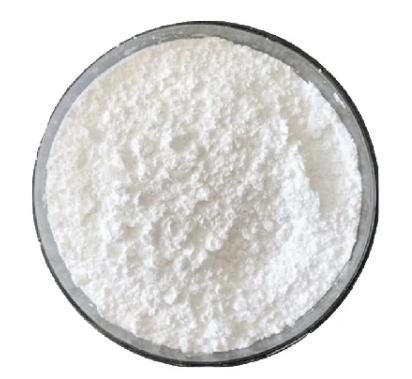
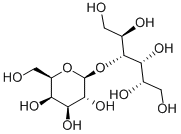
Lactitol (Figure 1) is a (B-galactosido sorbitol), a disaccharide analogue of lactulose. This sugar is highly water soluble and is not absorbed in the human small intestine. With its more pleasant taste, lactitol is better tolerated and more palatablets. Lactitolis a sugar-alcohol derivative of lactose which promises to be an attractive alternative to lactulose. Its preparation in crystalline form from lactose is both simple and cheap, it is highly water-soluble, and it lacks the sickly unpalatability of lactulose. It is not absorbed from the gastrointestinal tract; in-vitro studies indicate that its metabolism by faecal bacteria is comparable to that of lactulose while studies on volunteers have shown a similar degree of acidification in the right colon. Lactitol also has a cathartic effect. Results of several studies in both acute and chronic hepatic encephalopathy suggest that lactitol is no less effective than lactulose. Also, by comparison with lactulose, lactitol may act more rapidly and the troublesome side-effects of unpredictable flatulence and diarrhoea maybe more directly dose-dependent. Whilst these impressions are based on small-scale studies, there appears to be sufficient evidence to warrant further clinical use. Lactitol is already freely available in Switzerland and it will probably be released in other European countries shortly. As with lactulose, the major commercial market will be for the treatment of constipation.Lactitol and lactulose passes through the upper gastro-intestinal tract and is fermented by colonic bacteria to produce organic acids that act both as osmotic and stimulant agents. Lactitol is sugar alcohol used as replacement sweeteners and approved by the FDA as food additive. [1-2]
Efficacy and tolerance of lactitol supplementation for adult constipation
Constipation is a common complaint in adults. Lactitol is an osmotic disaccharide laxative that increases fecal volume and stimulates peristalsis. A total of eleven studies representing 663 distinct patients were included in the final analysis, including five single-arm studies, four RCTs comparing lactitol with lactulose, one RCT comparing lactitol with placebo, and one nonrandomized controlled trial comparing lactitol with stimulant laxatives. Weekly stool frequency was significantly increased with lactitol compared with baseline (standardized mean difference [SMD]: 1.56, P<0.001). Stool consistency also improved over the supplementation period with lactitol (SMD: 1.04, P<0.001). Approximately one-third of patients experienced an adverse event; however, symptoms were generally mild and rarely (5%) resulted in study withdrawal. In RCTs of lactitol versus lactulose, lactitol was slightly more effective than lactulose in increasing weekly stool frequency (SMD: 0.19, P=0.06). No statistically significant differences between lactitol and lactulose were identified in any other efficacy or tolerance outcome. Lactitol demonstrated favorable efficacy and tolerance in individual studies when compared to stimulant laxatives and placebo. Lactitol supplementation is well tolerated and improves symptoms of adult constipation. The efficacy and tolerance of lactitol and lactulose are similar, with a trend for more frequent stools with lactitol. Limited evidence suggests lactitol is superior to stimulant laxatives and placebo for relieving constipation symptoms.[3]
All randomised, non-randomised and open trials, with head to head comparison of lactitol versus lactulose were included. After intense literature search we included six clinical trials for comparison. The relevant studies that were included in meta-analysis included 349 adult patients with mean age group of 19 to 85 years and 81 children from age group of 8 months to 16 years. Duration of treatment was 3 days to 4 weeks. In terms of efficacy lactitol was found to be comparable to lactulose in terms of normal consistency of stool and number of bowel movement per week. Better acceptance by the patients was reported with lactitol as compared to lactulose (73.2% versus 26.8%). Lactitol was found to be significantly superior as compared to lactulose in terms of less number of adverse events (31.20 +/- 0.8000% versus 62.10 +/-1.100%, p = 0.0019). Better efficacy was adjudged by the physicians in favour of lactitol as compared to lactulose (61.91% versus 47.83%). In addition compliance with lactitol was found to be better due to superior palatability. Also in paediatric patients the dose of lactitol required was almost half the dose of lactulose (250-400 mg/kg/day versus 500-750 mg/kg/day). Lactitol should be preferred over lactulose in the management of chronic constipation because of its superior efficacy as adjudged by the physician, better palatability, lesser incidence of adverse events, better acceptance and compliance reported by patients.[4]
Lactitol Supplementation Modulates Intestinal Microbiome in Liver Cirrhotic Patients
Cirrhosis is a common chronic liver disease characterized by irreversible diffuse liver damage. Intestinal microbiome dysbiosis and metabolite dysfunction contribute to the development of cirrhosis. Lactitol (4-β-D-galactopyranosyl-D-glucitol) was previously reported to promote the growth of intestinal Bifidobacteria. However, the effect of lactitol on the intestinal microbiome and fecal short-chain fatty acids (SCFAs) and bile acids (BAs) and the interactions among these factors in cirrhotic patients pre- and post-lactitol treatment remain poorly understood. Here, using shotgun metagenomics and targeted metabolomics methods. Lu and his colleagues found that health-promoting lactic acid bacteria, including Bifidobacterium longum, B.pseudocatenulatum, and Lactobacillus salivarius, were increased after lactitol intervention, and significant decrease of pathogen Klebsiella pneumonia and associated antibiotic resistant genes /virulence factors. Functionally, pathways including Pseudomonas aeruginosa biofilm formation, endotoxin biosynthesis, and horizontal transfer of pathogenic genes were decreased in cirrhotic patients after 4-week lactitol intervention compared with before treatment. Conclusion: We identified lactitol-associated metagenomic changes, and provide insight into the understanding of the roles of lactitol in modulating gut microbiome in cirrhotic patients. [5]
References
[1]Lactitol. Lancet. 1987;2(8550):81-82.
[2]Maydeo A. Lactitol or lactulose in the treatment of chronic constipation: result of a systematic. J Indian Med Assoc. 2010;108(11):789-792.
[3]Miller LE, Tennil? J, Ouwehand AC. Efficacy and tolerance of lactitol supplementation for adult constipation: a systematic review and meta-analysis. Clin Exp Gastroenterol. 2014;7:241-248. Published 2014 Jul 12. doi:10.2147/CEG.S58952
[4]Maydeo A. Lactitol or lactulose in the treatment of chronic constipation: result of a systematic. J Indian Med Assoc. 2010;108(11):789-792.
[5]Lu H, Chen L, Pan X, et al. Lactitol Supplementation Modulates Intestinal Microbiome in Liver Cirrhotic Patients. Front Med (Lausanne). 2021;8:762930. Published 2021 Oct 14. doi:10.3389/fmed.2021.762930
You may like

Lastest Price from LACTITOL manufacturers

US $1.00-4.00/KG2025-09-08
- CAS:
- 585-86-4
- Min. Order:
- 1KG
- Purity:
- 99%
- Supply Ability:
- 200000KG

US $0.00-0.00/KG2025-04-25
- CAS:
- 585-86-4
- Min. Order:
- 1KG
- Purity:
- 99.0%
- Supply Ability:
- 10tons/month