Background and Efficacy of Palmitoyl Tripeptide-38
Palmitoyl Tripeptide-38 is a lipopeptide composed of three amino acids. This peptide is inspired by a naturally occurring tripeptide found in collagen VI and laminin. Palmitoyl Tripeptide-38 can rebuild the skin from within where needed, smoothing wrinkles and soothing the skin. It is particularly effective against glabellar lines, crow's feet, forehead lines, and neck lines, and therefore has certain applications in the industrial production of anti-aging and skincare cosmetics.
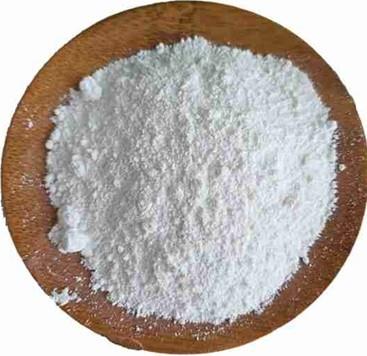
Figure1: Picture of Palmitoyl Tripeptide-38
Background
Epithelial regeneration of the skin is achieved through the continuous turnover and differentiation of keratinocytes. The epidermal and dermal stem cell compartments are essential for the constant renewal of the skin. Adult stem cells are the unique source of skin tissue renewal. Plants also contain stem cells, and plant-derived stem cell extracts are now used in topical products for their potential anti-aging and anti-wrinkle effects. Palmitoyl Tripeptide-38 is an amino acid chain that has been shown to increase the production of skin and epidermal components such as collagen (including types I, III, and IV), fibronectin, hyaluronic acid (which retains water), and laminin 5 (which plays a role in the construction of the epithelial basement membrane, cell adhesion, growth, and differentiation). Therefore, palmitoyl tripeptide-38 promotes skin regeneration, smoothes wrinkles and skin, and delays the appearance of signs of aging. In addition, it can deeply replenish nutrients, reduce lip wrinkles, and increase elasticity.
Synthetic Method
Researchers have developed a method for preparing palmitoyl tripeptide-38. This method follows the reaction scheme described below and includes the following steps. Step 1: L-Met-OH is reacted with Fmoc-OSu and a first base to obtain Fmoc-Met-OH, which is then treated with an oxidizing agent and a catalyst to yield Fmoc-Met(O₂)-OH. Step 2: Fmoc-Met(O₂)-OH is subjected to a condensation reaction with H-Lys(Boc)-OH to obtain Fmoc-Met(O₂)-Lys(Boc)-OH.Step 3: Palmitoyl tripeptide-38 precursor Fmoc-Met(O₂)-Lys(Boc)-OH undergoes Fmoc deprotection to obtain H-Met(O₂)-Lys(Boc)-OH. Step 4: Pal-Lys(Boc)-OH is condensed with H-Met(O₂)-Lys(Boc)-OH to obtain Pal-Lys(Boc)-Met(O₂)-Lys(Boc)-OH. Step 5: Pal-Lys(Boc)-Met(O₂)-Lys(Boc)-OH is subjected to Boc deprotection to obtain palmitoyl tripeptide-38. All raw materials used in this synthetic route are readily available on the market. Each reaction step is simple to operate, offers high yields, and is suitable for industrial production.
Efficacy
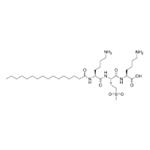
Palmitoyl tripeptide-38 has demonstrated notable anti-aging effects. Palmitoyl tripeptide-38 increases dermal density and elasticity, reduces the appearance of wrinkles, and improves signs of skin aging, with visible results observed as early as one week of treatment. Researchers developed a dermocosmetic product containing apple stem cell extract, urea, creatine, and palmitoyl tripeptide-38 (sequence: Pal-Lys-Met(O2)-Lys-OH). Palmitoyl tripeptide-38 was applied twice daily to the face for 28 days. The study involved clinical and instrumental evaluations in 32 women with sensitive skin and crow's feet wrinkles. Palmitoyl tripeptide-38 significantly increased dermal density and elasticity, and also demonstrated anti-wrinkle effects. This anti-aging serum appeared to improve signs of skin aging, with the first visible results observed after one week of treatment. To evaluate the effectiveness of a multi-ingredient anti-aging moisturizer, an open-label clinical trial was conducted with 37 female subjects aged 35–60. The active ingredients in the facial moisturizer included Astragalus membranaceus root extract, a peptide blend containing palmitoyl tripeptide-38, standardized rosemary leaf extract (ursolic acid), tetrahexyldecyl ascorbate, and ubiquinone. Palmitoyl tripeptide-38, as part of the peptide blend, contributed to favorable outcomes in both product efficacy measurements and aesthetic self-assessment questionnaires, with subjects rating the product as mild and well-tolerated. [1]
Academic research
Researchers developed lignin-based copolymers for the delivery of palmitoyl tripeptide-38. Palmitoyl tripeptide-38 was incorporated into poly(lignin/polyethylene glycol (PEG)/polypropylene glycol (PPG) urethane), which was synthesized from lignin, PEG, and PPG. The chemical and thermal properties of the lignin-based copolymers were characterized by NMR, GPC, and DSC. Poly(lignin/PEG/PPG urethane) is capable of forming micelles in aqueous solutions, and the particle size and critical micelle concentration (CMC) of the solution were studied. Performance evaluation of poly(lignin/PEG/PPG urethane) as a carrier was conducted by encapsulating palmitoyl tripeptide-38 in the micelles. Human skin fibroblasts (HSF) treated with UVA irradiation were used as the cell aging model. Cell proliferation, collagen production, ROS content, the activity of superoxide dismutase (SOD), catalase (CAT), glutathione peroxidase (GSH-px), and lactate dehydrogenase (LDH), malondialdehyde (MDA) production, and matrix metalloproteinase 1 (MMP-1) expression were measured to assess the efficacy of delivering the antiaging peptide. [2]
Reference
[1] Schagen S K. Topical peptide treatments with effective anti-aging results[J]. Cosmetics, 2017, 4: 16.
[2] Chee P L, Sugiarto S, Yu Y, et al. Antioxidative and Anti‐UV Lignin Carrier for Peptide Delivery[J]. Macromolecular Chemistry and Physics, 2022, 223: 2100364.

You may like
See also
US $2.00-5.00/kg2025-06-19
- CAS:
- 1447824-23-8
- Min. Order:
- 1kg
- Purity:
- 99%
- Supply Ability:
- 100kg
US $0.00-0.00/kg2025-06-10
- CAS:
- 1447824-23-8
- Min. Order:
- 0.00001kg
- Purity:
- 99.99%
- Supply Ability:
- 2000000T