Benefits of Thymosin beta 4
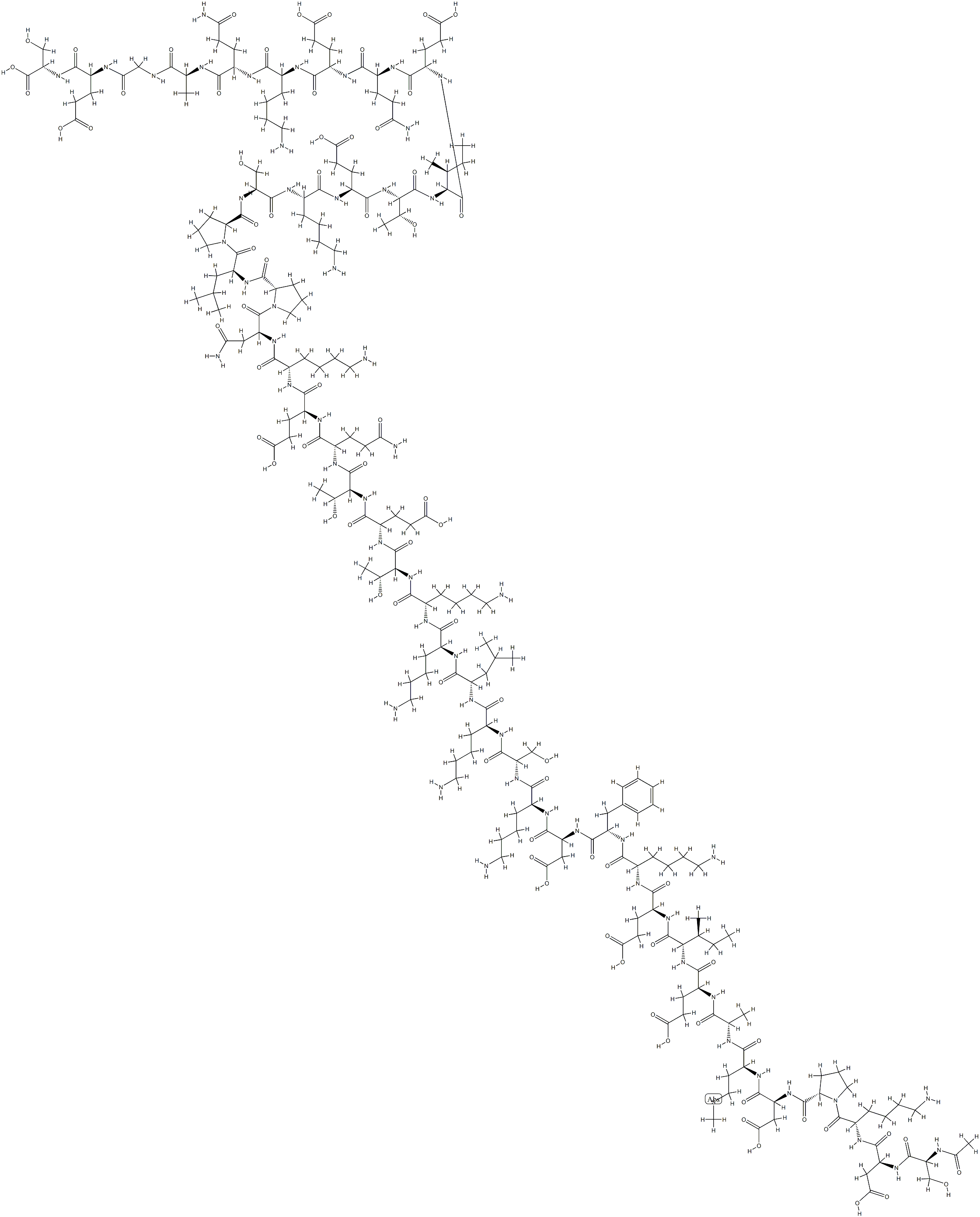
Thymosin beta 4 (TB4) is a 5-kDa peptide consisting of 43 amino acid residues that is naturally expressed by most cells in the human body. TB4 has multiple biological functions, including: protecting the heart, cytoskeleton remodeling, promoting wound healing after corneal injury, and anti-fibrosis.
(1) Protecting the Heart
Thymosin beta-4, a short, secreted peptide, has been shown to possess a beneficial impact regarding myocardial cell survival, coronary re-growth, and progenitor cell activation following myocardial infarction in adult mammals. It also reduces scarring. Furthermore, studies have shown that this mechanism of action is related to the inhibition of ROCK1 expression. This suggests that TB4 could be used as a ROCK1 inhibitor for cardiac treatment.
(2) Cytoskeleton Remodeling
TB4 has been shown to function by reversibly binding to monomeric G-actin, thereby maintaining the pool of unpolymerized actin required for cytoskeleton remodeling. When administered exogenously, it can promote cell migration by increasing the availability of actin monomers, which are limiting factors for cytoskeleton remodeling and cell motility. Furthermore, TB4 has been shown to promote extracellular matrix degradation through the PI3/AKT pathway, inhibit caspase 9-induced apoptosis through endocytosis, and attenuate pro-inflammatory signaling by interfering with NF-κB activation.
(3) Promoting corneal wound healing
Thymosin beta-4 is a small peptide upregulated in injured tissues, playing roles in cell migration, angiogenesis, inflammation, and oxidative stress. Studies show TB4 significantly promotes corneal wound healing after injury, leading to a clinical trial (RGN-259), with full US Food and Drug Administration approval still pending.
(4) Anti-fibrotic
Thymosin beta-4 is a natural endogenous repair factor, and its anti-fibrotic effects have been reported. Inhaled rhTβ4 aerosols alleviated bleomycin-induced pulmonary fibrosis in mice at different stages. In vitro studies have shown that rhTβ4 can inhibit the proliferation, migration, and activation of lung fibroblasts by modulating the TGF-β1 signaling pathway. Furthermore, rhTβ4 can inhibit epithelial-mesenchymal transition-like processes in lung epithelial cells. This suggests that nebulized rhTβ4 may be a potential treatment for idiopathic pulmonary fibrosis (IPF).
References:
[1] KLAUDIA MAAR. Thymosin Beta-4 Modulates Cardiac Remodeling by Regulating ROCK1 Expression in Adult Mammals.[J]. International Journal of Molecular Sciences, 2025, 26 9. DOI:10.3390/ijms26094131.
[2] JOSEPH NGUYEN. Engineered Tandem Thymosin Peptide Promotes Corneal Wound Healing.[J]. Investigative ophthalmology & visual science, 2025, 66 14: 31. DOI:10.1167/iovs.66.14.31.
[3] RUI YU. Inhaled exogenous thymosin beta 4 suppresses bleomycin-induced pulmonary fibrosis in mice via TGF-β1 signalling pathway.[J]. Journal of Pharmacy and Pharmacology, 2025: 582-592. DOI:10.1093/jpp/rgae143.
You may like
Related articles And Qustion
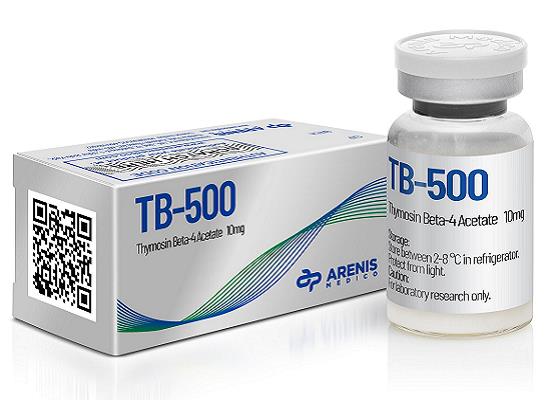
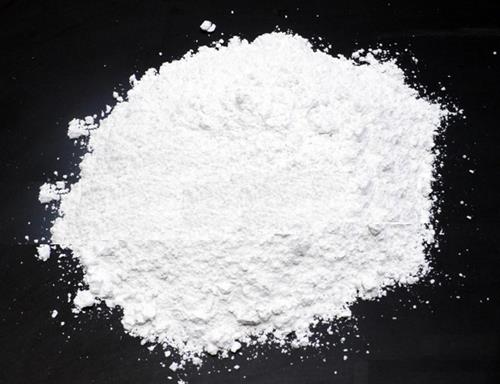
Lastest Price from Thymosin beta 4 manufacturers

US $0.00/kg2026-04-07
- CAS:
- 77591-33-4
- Min. Order:
- 1kg
- Purity:
- 98%
- Supply Ability:
- 1000kgs
US $40.00/box2026-03-24
- CAS:
- 77591-33-4
- Min. Order:
- 1box
- Purity:
- 99
- Supply Ability:
- 100000boxes