Biological research and Neurotoxicity of Poly(hexamethylenebicyanoguanide-hexamethylenediamine) hydrochloride
Poly(hexamethylenebicyanoguanide-hexamethylenediamine) hydrochloride is an antimicrobial agent with broad-spectrum antibacterial efficacy. It exhibits biocidal activity against Gram-positive bacteria, Gram-negative bacteria, fungi, and yeasts, and is widely used in industries such as daily chemicals, water treatment, and healthcare. Due to its extensive use as a biocide in pharmaceuticals, industrial products, and consumer goods, human exposure to Poly(hexamethylenebicyanoguanide-hexamethylenediamine) hydrochloride is inevitable. Notably, studies have reported that Poly(hexamethylenebicyanoguanide-hexamethylenediamine) hydrochloride may affect neurodevelopment through oxidative stress.
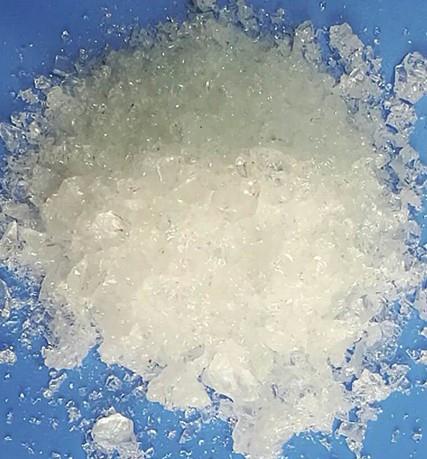
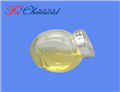
Figure1 Picture of Poly(hexamethylenebicyanoguanide-hexamethylenediamine) hydrochloride
Biological research
To determine the toxic effects of Poly(hexamethylenebicyanoguanide-hexamethylenediamine) hydrochloride on developing zebrafish, embryos were exposed to the compound at various concentrations and for different time periods. Treatment with Poly(hexamethylenebicyanoguanide-hexamethylenediamine) hydrochloride at concentrations of 0, 1, 2, 3, and 4 µM for 120 hours post-fertilization resulted in morphological abnormalities compared to the control group. Pathological changes in several tissues, including the whole body, eye, yolk sac, and swim bladder, were analyzed. No significant alterations were observed in body length or eye size; however, yolk sac edema was noted exclusively in the group treated with 2 µM Poly(hexamethylenebicyanoguanide-hexamethylenediamine) hydrochloride. The swim bladder of zebrafish larvae showed no difference relative to the control group at concentrations ≤ 2 µM of the compound, but it became completely undetectable when treated with concentrations ≥ 3 µM of PMHB. Furthermore, embryo viability remained unaffected by exposure to any of the tested concentrations of PMHB for up to 72 hours post-fertilization; however, treatments with 3 and 4 µM of the compound reduced embryo viability from 96 and 120 hours post-fertilization onward. Poly(hexamethylenebicyanoguanide-hexamethylenediamine) hydrochloride caused dose-dependent hatching difficulties and developmental abnormalities, including a decreased heartbeat. These results provided evidence that Poly(hexamethylenebicyanoguanide-hexamethylenediamine) hydrochloride adversely affects zebrafish development. [1]
Neurotoxicity
Researchers utilized a human-derived SH-SY5Y/astrocyte co-culture model to evaluate the chemical effects of biocidal disinfectants. Through automated high-content screening technology, the potential neurotoxicity of these disinfectants was assessed based on neurite outgrowth analysis. The study provided evidence of the potential neurotoxicity of Poly(hexamethylenebicyanoguanide-hexamethylenediamine) hydrochloride. Both benzalkonium chloride and Poly(hexamethylenebicyanoguanide-hexamethylenediamine) hydrochloride exhibited significant neurotoxicity at concentrations that did not induce cytotoxicity. This testing system for analyzing the potential neurotoxicity of biocidal disinfectants may facilitate early screening studies for neurotoxicity prior to initiating in vivo research. [2]
Industrial Applications
Due to the coronavirus pandemic, the use of biocides in personal hygiene products has become essential. Poly(hexamethylenebicyanoguanide-hexamethylenediamine) hydrochloride, a synthetic polymer, is a cationic biocide commonly employed as a disinfectant owing to its broad-spectrum antibacterial activity. PMHB interacts with the negatively charged head groups of phospholipids, leading to increased membrane permeability, altered fluidity, and loss of integrity, which ultimately results in microbial cell death. Additionally, PMHB can exert its biocidal effects by penetrating the cytoplasm and binding to DNA and RNA, thereby significantly influencing critical cellular processes such as growth, division, and nucleic acid replication and repair. Interestingly, in mammalian cells, Poly(hexamethylenebicyanoguanide-hexamethylenediamine) hydrochloride is sequestered within endosomes and excluded from the nucleus, indicating that it selectively binds and condenses bacterial chromosomes to achieve antibacterial activity. It is also employed as an ophthalmic agent at concentrations ranging from 0.02% to 0.08%. In other contexts, such as swimming pool disinfection and shampoos, concentrations of Poly(hexamethylenebicyanoguanide-hexamethylenediamine) hydrochloride may vary from 0.03% to 4%. [1]
Safety Instructions
While most literature reports minimal skin irritations and few side effects, it is notable that a hospital disinfectant containing 0.2% Poly(hexamethylenebicyanoguanide-hexamethylenediamine) hydrochloride has been reported to trigger severe anaphylaxis. Furthermore, some patients with keratitis treated with 0.2% Poly(hexamethylenebicyanoguanide-hexamethylenediamine) hydrochloride experienced ocular toxicity, including conjunctival inflammation and epithelial defects. Stability studies on ophthalmic formulations of PMHB revealed that it remained physicochemically stable throughout the study for up to 2 months. Cytotoxicity to Poly(hexamethylenebicyanoguanide-hexamethylenediamine) hydrochloride has been demonstrated in several types of human-derived cell lines, such as human dermal keratinocytes, dermal fibroblasts and osteoblasts, and lung adenocarcinoma cells. [1]
Reference
[1] Oh H N, Yoo D, Park S, et al. Assessment of poly (hexamethylenebicyanoguanide-hexamethylenediamine) hydrochloride-induced developmental neurotoxicity via oxidative stress mechanism: integrative approaches with neuronal cells and zebrafish[J]. Journal of Hazardous Materials, 2024, 465: 133146.
[2] Oh H N, Park S, Lee S, et al. In vitro neurotoxicity evaluation of biocidal disinfectants in a human neuron–astrocyte co-culture model[J]. Toxicology in Vitro, 2022, 84: 105449.
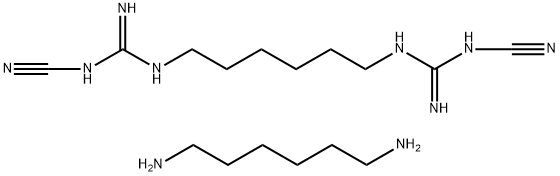
You may like
See also
Lastest Price from Poly(hexamethylenebicyanoguanide-hexamethylenediamine) hydrochloride manufacturers
US $2.00/KG2025-06-06
- CAS:
- 27083-27-8
- Min. Order:
- 1KG
- Purity:
- 99%
- Supply Ability:
- 10 ton
US $0.00/Kg/Drum2025-04-21
- CAS:
- 27083-27-8
- Min. Order:
- 1KG
- Purity:
- 20%;99%
- Supply Ability:
- 10 TONS