Biological stability and Pharmaceutical Applications of S-Adenosyl-L-methionine Disulfate Tosylate
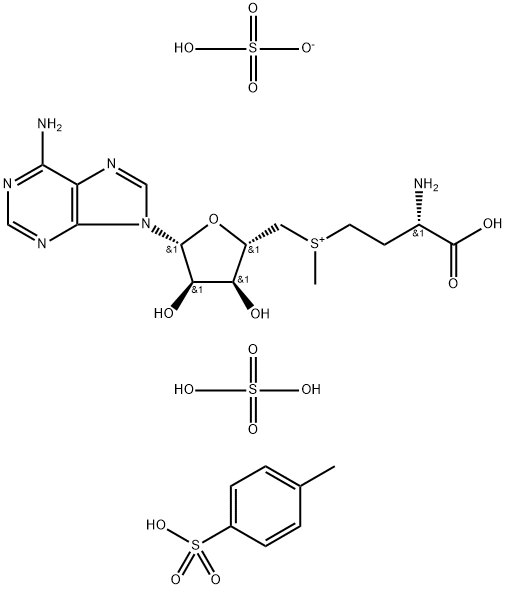
S-Adenosyl-L-methionine Disulfate Tosylate is a mixed disulfate-tosylate salt form of the diastereomers of the adenosylmethionine ion. Its chemical essence is adenosylmethionine, and it possesses anti-inflammatory activity, being used in the treatment of chronic liver diseases. S-Adenosyl-L-methionine Disulfate Tosylate is an important metabolic intermediate that serves as a donor of methyl and aminopropyl groups to a variety of acceptor molecules. The molecule is unstable in vitro, both in solution and in crystalline form, undergoing irreversible conversion to 5′-methylthioadenosine (MTA) and homoserine lactone.
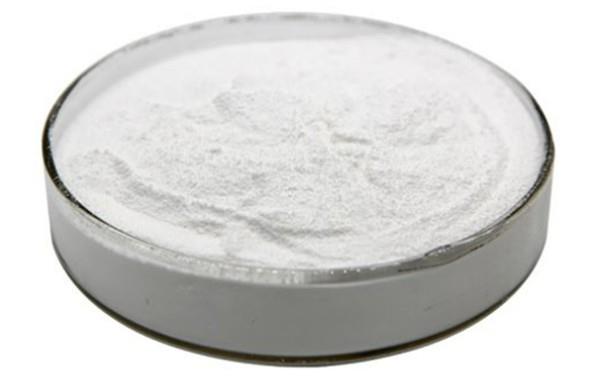
Figure1: Picture of S-Adenosyl-L-methionine Disulfate Tosylate
Overview
S-Adenosyl-L-methionine Disulfate Tosylate is a substrate in numerous enzyme-catalyzed reactions. It not only provides methyl groups in many biological methylations but also acts as the precursor in the biosynthesis of the polyamines spermidine and spermine, of the metal ion chelating compounds nicotianamine and phytosiderophores, and of the gaseous plant hormone ethylene. S-Adenosyl-L-methionine Disulfate Tosylate is also the source of catalytic 5'-deoxyadenosyl radicals, produced as reaction intermediates by the superfamily of radical AdoMet enzymes. S-Adenosyl-L-methionine Disulfate Tosylate, also commonly referred to in its active form as SAM, participates in a wide range of enzymatic processes. Its primary roles are methylation, polyamine biosynthesis, and radical chemistry. S-Adenosyl-L-methionine Disulfate Tosylate-dependent methyltransferases are a large class of enzymes responsible for the methylation of nitrogen, oxygen, sulfur, and carbon in DNA, RNA, proteins, and metabolites. These enzymes offer particular utility for in vitro applications, as methylation often confers important activity and regulatory control to biomolecules. [1]
Pharmaceutical Applications
Treatment of liver diseases
S-Adenosyl-L-methionine Disulfate Tosylate is the principal methylating agent in various transmethylation reactions, and it is essential for nucleic acid and protein synthesis. In addition to its role in methylation, S-Adenosyl-L-methionine Disulfate Tosylate also plays a key role in the synthesis of polyamines and provides a source of cysteine for the production of GSH, a major endogenous hepatoprotective agent. Because of these critical functions, depletion of S-Adenosyl-L-methionine Disulfate Tosylate has numerous adverse effects. Hirata et al. and Hirata & Axelrod highlighted the importance of methylation for cell membrane function, noting the involvement of phospholipid methylation in membrane fluidity, metabolite transport, and signal transduction across membranes. Consequently, a decrease in S-Adenosyl-L-methionine Disulfate Tosylate may impair methyltransferase activity and thereby promote the membrane injury associated with alcohol-induced liver damage. This deficit can be corrected through the administration of exogenous S-Adenosyl-L-methionine Disulfate Tosylate. Although the compound is inherently unstable, the development of a stable salt formulation has enabled effective replenishment via ingestion; indeed, oral administration of S-Adenosyl-L-methionine Disulfate Tosylate increases its blood levels in both rodents and humans. While it has been suggested that the liver does not take up S-Adenosyl-L-methionine Disulfate Tosylate from the bloodstream, other studies have demonstrated its uptake by isolated hepatocytes at both pharmacological and physiological extracellular concentrations. [2]
Biological stability
S-Adenosyl-L-methionine Disulfate Tosylate exhibits better biological stability than S-adenosyl-L-methionine. Degradation occurs through multiple mechanisms, the most significant of which involves a nucleophilic intramolecular attack by the oxygen of the carboxylate group on the gamma-carbon atom of the amino acid chain, leading to the formation of 5'-methylthioadenosine (MTA) and homoserine lactone. Other degradation reactions include conversion to the biologically inactive (R,S)-SAM stereoisomer (the active molecular configuration being S,S) and hydrolysis to adenine and S-pentosylmethionine. Consequently, research on SAM stabilization has focused on the preparation of salts that remain stable under normal temperature and humidity conditions. While SAM sulfate and chloride salts have been produced, they can only be used as short-term biochemical reagents, as their stability is limited even in the dry state and requires low temperatures. Based on the hypothesis that SAM instability in cells may be prevented through binding to macromolecules, SAM salts with large anions were developed. The most stable SAM salts known to date are the double salts with sulfate and p-toluenesulfonate anions S-Adenosyl-L-methionine Disulfate Tosylate, patented by Fiecchi and currently used in clinical therapy. In general, SAM stability correlates with anion size, as increasing the steric hindrance of the anions enhances SAM stability. [3]
Reference
[1] Lipson J M, Thomsen M, Moore B S, et al. A Tandem Chemoenzymatic Methylation via S-Adenosyl-l-methionine[J]. Chembiochem: a European journal of chemical biology, 2013, 14: 950.
[2] Lieber C S. Role of S-adenosyl-L-methionine in the treatment of liver diseases[J]. Journal of hepatology, 1999, 30(6): 1155-1159.
[3] Morana A, Di Lernia I, Carten?? M, et al. Synthesis and characterisation of a new class of stable S-adenosyl-l-methionine salts[J]. International journal of pharmaceutics, 2000, 194(1): 61-68.
You may like
Related articles And Qustion

Lastest Price from S-Adenosyl-L-methionine Disulfate Tosylate manufacturers

US $0.00-0.00/kg2026-04-01
- CAS:
- 97540-22-2
- Min. Order:
- 1kg
- Purity:
- 0.98
- Supply Ability:
- 20tons

US $1.00/kg2025-11-11
- CAS:
- 97540-22-2
- Min. Order:
- 0.000165kg
- Purity:
- 99%
- Supply Ability:
- 200kg