Chemical structure and Dietary intake of Vitamin K2
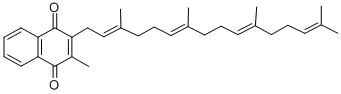
Vitamin K2, which belongs to the vitamin K family, is a class of fat-soluble compounds containing a naphthoquinone nucleus and an isoprene side chain. Vitamin K2 can exist in various forms such as K2(10), K2(20), and K2(35), among which K2(35), also known as menaquinone-7, is the main bioactive form in the human body. Vitamin K2 is primarily synthesized by intestinal bacteria and can also be obtained through certain fermented foods. Multiple studies have reported functions of Vitamin K2 beyond its classic role, including improving bone health, as well as reducing vascular calcification and lowering cardiovascular risk.
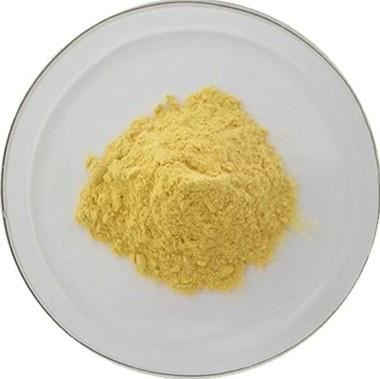
Figure1: Picture of Vitamin K2
Basic Introduction
Vitamin K2 is a general term for a series of compounds containing a 2-methyl-1,4-naphthoquinone nucleus and a terpene side chain with varying numbers of isoprene structural units at the C3 position. Vitamin K2 is a fat-soluble vitamin and a derivative of the naphthoquinone group that possesses the biological activity of phylloquinone. It is one of the indispensable and important vitamins in the human body. Vitamins are essential organic compounds that vary widely in chemical structure and are vital in small quantities for numerous biochemical and biological functions. They are critical for metabolism, growth, development, and maintaining overall health. Vitamins are categorised into two groups: hydrophilic and lipophilic. Vitamin K (VK), a lipophilic vitamin, occurs naturally in two primary forms: Vitamin K1, found in green leafy vegetables and algae, and Vitamin K2, which is present in certain fermented and animal foods and is widely formulated in vitamin K supplements. Researchers have explored the possible factors contributing to vitamin K deficiency, including dietary influences, and have discussed the pharmacological and therapeutic potential of supplemental Vitamin K2, while examining recent global clinical studies on its role in treating diseases such as osteoporosis, osteoarthritis, rheumatoid arthritis, cardiovascular disease, chronic kidney disease, diabetes, neurodegenerative disorders, and cancers. The findings indicate that Vitamin K2 is a versatile vitamin essential for human health and that a broadly positive correlation exists between Vitamin K2 supplementation and improved health outcomes. However, clinical data are somewhat inconsistent, highlighting the need for further detailed research into Vitamin K2's metabolic processes, biomarker validation, dose–response relationships, bioavailability, and safety. Establishing a Recommended Daily Intake for Vitamin K2 could significantly enhance global health.
Chemical structure
Vitamin K is a generic term for a number of structurally related compounds characterized by their common functional methylated naphthoquinone ring system and an aliphatic side chain composed of several isoprenoid residues. All differences between the various forms of vitamin K originate from differences in the length and saturation degree of this side chain. Phylloquinone is a single compound with a side chain of four isoprenoid residues, three of which are saturated. Menaquinones, commonly found in nature, have side chains of varying length between four and thirteen isoprene residues, most of which are unsaturated. However, some bacteria produce isoprenologues in which one or more of the prenyl units are saturated. Menaquinones are generally denoted as MK-n, where n represents the number of isoprene residues. Vitamin K2, which is the menaquinone form of vitamin K, plays a key role in this family. Vitamin K2 is distinguished by its unsaturated isoprene side chain and is primarily derived from bacterial synthesis and fermented foods. [1]
Dietary intake
Vitamin K2 is generally of microbial origin. Important dietary sources of Vitamin K2 include cheese, curd, and natto, a traditional Japanese food composed of fermented soya beans, while dietary phylloquinone is mainly found in green vegetables, notably spinach, broccoli, kale, and Brussels sprouts. Estimated intake of phylloquinone and Vitamin K2 in the Netherlands and Germany has suggested that between 10 and 25% of total vitamin K intake is provided by Vitamin K2. Information on the dietary intake of Vitamin K2 is, however, limited. This is mainly due to the lack of complete food composition tables that list Vitamin K2 concentrations in common foods. Currently, most food composition data for Vitamin K2 are restricted to single foods such as cheese or yogurt. However, a regularly updated and expanding food composition table of foods on the Dutch market is produced at VitaK's laboratories in the Netherlands. [1]
Absorption and metabolism
Phylloquinone is primarily obtained from green, leafy vegetables in which it is tightly bound to the membranes of plant chloroplasts, and thus less bioavailable compared with phylloquinone obtained from plant oils and/or dietary supplements. Vitamin K2, which is primarily derived from animal-based sources, is consumed in food matrices containing more fat that may improve absorption and lead to higher bioavailability than phylloquinone. However, this has yet to be systematically tested for all forms of Vitamin K2. Following intestinal absorption, all vitamin K forms are incorporated into TAG-rich lipoproteins and transported primarily to the liver, but also to other target tissues. Circulating TAG-bound forms of vitamin K peak at around 4 to 10 hours after intake and the majority of phylloquinone and MK-4 are removed from the circulation by 24 hours postprandially. Currently, human data on the absorption of Vitamin K2 from food sources are limited to MK-7. These MK-7 data show similar peaks at 4 hours after intake, but MK-7 does not appear to be completely removed from the circulation after 72 to 96 hours. The different pharmacokinetics among various vitamin K forms also result in very different plasma half-life times. Whereas phylloquinone has a relatively short half-life time, Vitamin K2 in the form of MK-7 has a reported half-life time of several days. Available data indicate higher absorption and bioavailability of MK-7 than phylloquinone, which may facilitate its uptake by various target tissues. [1]
Health benefits for humans
Vitamin K2 offers several important benefits to the human body. First, Vitamin K2 promotes calcium absorption in the intestines, thereby helping to maintain bone health. In addition, Vitamin K2 assists in depositing calcium into the bones, reducing the risk of osteoporosis. Regarding cardiovascular health, Vitamin K2 helps inhibit vascular calcification and lowers the risk of arterial stiffness. Studies have shown that appropriate supplementation with Vitamin K2 can reduce the incidence of cardiovascular disease. Furthermore, Vitamin K2 plays a significant role in maintaining muscle function by promoting the release of the neurotransmitter acetylcholine and enhancing muscle excitability, thus preserving normal muscle performance. Vitamin K2 also possesses anti-inflammatory properties, helping to alleviate inflammatory responses and contributing to the prevention of chronic diseases. Finally, Vitamin K2 benefits eye health, as adequate intake of Vitamin K2 may help prevent ocular conditions such as macular degeneration. Research conducted in recent decades has suggested the protective roles of Vitamin K2 in tissue mineralisation, inflammation, oxidation, and age-related conditions, which could provide new directions for Vitamin K2 in future clinical practice. The aim of this section is to summarise and analyse recent available clinical evidence on the relationship between Vitamin K2 intake and status, and to describe the modulatory effects of Vitamin K2 in various disease states. [2]
Type 2 diabetes mellitus risk reduction
Type 2 diabetes mellitus (T2DM) remains a major public health problem worldwide, frequently presenting with microvascular and macrovascular complications. Patients with T2DM not only suffer significant emotional and physical distress but also face an increased risk of death from severe complications. In recent years, evidence from prospective observational studies and clinical trials has demonstrated that Vitamin K2 supplementation reduces the risk of T2DM. Vitamin K2 is proposed to improve insulin sensitivity through the involvement of the vitamin K-dependent protein osteocalcin, as well as through its anti-inflammatory properties and lipid-lowering effects. Furthermore, Vitamin K2 exhibits a better effect on T2DM than vitamin K1. [3]
Reference
[1] Beulens J W J, Booth S L, van den Heuvel E G H M, et al. The role of menaquinones (vitamin K2) in human health[J]. British journal of nutrition, 2013, 110(8): 1357-1368.
[2] Zhang T, O’Connor C, Sheridan H, et al. Vitamin K2 in health and disease: a clinical perspective[J]. Foods, 2024, 13(11): 1646.
[3] Li Y, peng Chen J, Duan L, et al. Effect of vitamin K2 on type 2 diabetes mellitus: A review[J]. Diabetes research and clinical practice, 2018, 136: 39-51.
You may like
See also
Lastest Price from Vitamin K2 manufacturers
US $0.00-0.00/KG2026-03-27
- CAS:
- 11032-49-8
- Min. Order:
- 1KG
- Purity:
- EP, USP
- Supply Ability:
- 5,000KG

US $0.00-0.00/kg2025-08-19
- CAS:
- 11032-49-8
- Min. Order:
- 25kg
- Purity:
- 99%HPLC
- Supply Ability:
- 20T