Cocarboxylase:Synthesis and Physiological efficacy
Introduction
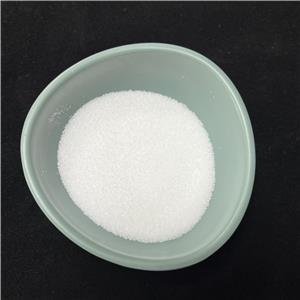
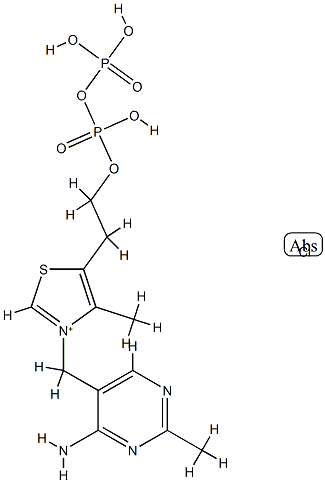
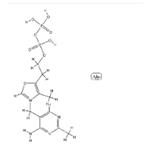
Cocarboxylase (Figure 1) is also called thiamine pyrophosphate. A coenzyme C12H19ClN4O7P2S·H2O that is important in metabolic reactions (as decarboxylation in the Krebs cycle). Cocarboxylase is produced by phosphatisation of thiamine with thiamine pyrophosphokinase. It is the active metabolite of thiamine. Chronic alcohol consumption is known to decrease the expression of thiamine pyrophosphokinase enzyme; causing a decrease in thiamine pyrophosphate formation. Previously, thiamine and cocarboxylase, both were studied in prevention of ethanol induced tissue damage on liver and only cocarboxylase was reported to be effective. Moreover, recently, ethambutol induced oxidative stress has been shown histopathologically on the retinal tissue with cocarboxylase being effective in preventing this.[1]
Synthesis of cocarboxylase
Synthesis of cocarboxylase, i.e., thiamine diphosphate (TDP) has hitherto been reported by Weijlard and Tauber, Viscontini, Bonetti, and Karrer. The principle is practically the same as follows. Thiamine hydrochloride and pyrophosphoric acid are mixed and converted into TDP by heating. TDP thus formed is fractionally precipitated with acetone and alcohol. The method using sodium pyrophosphate according to Weijlard and Tauber, and that using orthophosphoric acid according to Karrer were examined, and the latter method seemed to be more satisfactory. Commercial 85 percent orthophosphoric acid was heated on a flame and the heating was stopped just before separation of a solid material. After cooling, thiamine hydrochloride was added and kneaded well. It was allowed to react at a constant temperature for a definite time. The effects of the ratio of thiamine hydrochloride to orthophosphoric acid, temperature and time of reaction were examined. TDP was formed in the highest yield when 500 mg of thiamine hydrochloride and 2.0 ml of 85 per cent phosphoric acid were allowed to react at 130-135for 5-20minutes. By examining the products thus obtained by paper chromatography, however, it was found that besides TDP, a large amount of thiamine monophosphate(TMP), a small amount of thiamine triphosphate (TTP) and thiamine were also present in the reaction mixture, and the yield of TDP was only 20-50 percent of the theory when determined by an enzymatic method.[2]
The effects of cocarboxylase on ethanol induced optic nerve damage
This study aimed to determine the protective effects of cocarboxylase on ethanol induced optic neuropathy in an experimental model. The rats were assigned into 4 groups, with 6 rats in each group as follows: healthy controls (HC group), only ethanol administered group (EtOH group), ethanol + cocarboxylase (20 mg/kg) administered group (TEt-20 group), and only cocarboxylase (20 mg/kg) (TPG group) administered group. To the rats in TEt-20 and TPG groups, 20 mg/kg cocarboxylase was administered via intraperitoneal route. To the rats in HC and EtOH groups, the same volume (0.5 ml) of distilled water as solvent was applied in the same manner. To the rats in TEt-20 and EtOH groups, one hour after application of cocarboxylase or distilled water, 32% ethanol with a dose of 5 g/kg was administered via oral gavage. This procedure was repeated once a day for 6 weeks. From the blood samples and tissues obtained from the rats, Malondialdehyde (MDA), reduced glutathione (GSH), interleukin 1 beta (IL-1β) and tumor necrosis factor alpha (TNF-α) levels were studied. Histopathological evaluations were performed to the optic nerve tissue. Results: Serum and tissue IL-1β, TNF-α and MDA levels were the highest in EtOH group which were significantly lower in cocarboxylase administered group (TEt-20 group) (p: 0.001). Serum and tissue reduced GSH levels were the lowest in EtOH group which were also significantly higher in TEt-20 group (p:0.001). In histopathological evaluations, in EtOH group there was obvious destruction and edema with hemorrhage and dilated blood vessels which were not present in any other groups. There was an apparent destruction in ethanol administered group in histopathological analyses with an augmented level of oxidative stress markers and all those alterations were prevented with concomitant cocarboxylase administration. These protective effects of cocarboxylase are extremely important in chronic ethanol consumption. Clinical studies are warranted to define the exact role of cocarboxylase in prevention of ethanol induced optic neuropathy.[1]
Identification of novel ligands for cocarboxylase riboswitches
Riboswitches are regions of mRNA to which a metabolite binds in the absence of proteins, resoulting in alteration of transcription, translation or splicing. The most widespread forms of riboswitches are those responsive to cocarboxylase the active form of vitamin B1, thiamine. Cocarboxylase-riboswitches have been found in all bacterial genomes examined, and are the only ones found in eukaryotes. In each case, the riboswitch appears to regulate the expression of a gene involved in synthesis or uptake of the vitamin. Riboswitches offer an attractive target for chemical intervention, and identification of novel ligands would allow a detailed study on structure-activity relationships, as well as potential leads for the development of antimicrobial compounds. [3]
The effect of cocarboxylase on ethambutol-induced ocular toxicity
Ethambutol-induced retinal oxidative damage in patients with tuberculosis is still not being adequately treated. The protective effect of cocarboxylase against oxidative damage in some tissues has been reported, but no information on the protective effects of cocarboxylase against ethambutol-induced oxidative retinal damage has been found in the medical literature. The objective is to investigate whether cocarboxylase has a protective effect against oxidative retinal damage in rats induced by ethambutol. Experimental animals divided into four groups (n = 10): the healthy group (HG), the ethambutol control group (EMB), thiamine + ethambutol group (Thi-EMB) and cocarboxylase + ethambutol group (TPP-EMB). The rats in the TPP-EMB and Thi-EMB groups were administered cocarboxylase and thiamine, respectively, at doses of 20 mg/kg intraperitoneally. Distilled water was administered intraperitoneally to the HG and the EMB groups as a solvent in the same volumes. One hour after drug injection, 30 mg/kg ethambutol was administered via an oral gavage to the TPP-EMB, Thi-EMB and EMB groups. This procedure was repeated once a day for 90 days. At the end of this period, all rats were euthanized under high-dose thiopental sodium anesthesia, and biochemical and histopathological investigations of the retinal tissue were performed. Malondialdehyde (MDA) and DNA damage product 8-hydroxyguanine levels were significantly lower in the retinal tissue of TPP-EMB and HG groups compared to those of the Thi-EMB and EMB groups, and total glutathione (tGSH) was also found to be higher. In addition, severe retinal tissue vascularization, edema and loss of ganglion cells were observed in the Thi-EMB and EMB groups, whereas histopathological findings for the TPP-EMB group were observed to be close to normal. These findings suggest that cocarboxylase protects retinal tissues from ethambutol-induced oxidative damage, and thiamine does not. This positive effect of cocarboxylase may be useful in the prevention of ocular toxicity that occurs during ethambutol use.[4]
References
[1] WAKISAKA Y, ISHIDA T. Synthesis and purification of cocarboxylase. J Vitaminol (Kyoto). 1959;5(1):44-50. doi:10.5925/jnsv1954.5.44
[2] Ucak T, Karakurt Y, Tasli G, et al. The effects of thiamine pyrophosphate on ethanol induced optic nerve damage. BMC Pharmacol Toxicol. 2019;20(1):40. Published 2019 Jul 5. doi:10.1186/s40360-019-0319-5
[3] Cressina E, Chen L, Moulin M, Leeper FJ, Abell C, Smith AG. Identification of novel ligands for thiamine pyrophosphate (TPP) riboswitches. Biochem Soc Trans. 2011;39(2):652-657. doi:10.1042/BST0390652
[4] Cinici E, Cetin N, Ahiskali I, et al. The effect of thiamine pyrophosphate on ethambutol-induced ocular toxicity. Cutan Ocul Toxicol. 2016;35(3):222-227. doi:10.3109/15569527.2015.1077857
You may like
Related articles And Qustion
See also
Lastest Price from Cocarboxylase manufacturers
US $1.00-4.00/KG2025-09-11
- CAS:
- 154-87-0
- Min. Order:
- 1KG
- Purity:
- 99%
- Supply Ability:
- 200000KG

US $10.00/ASSAYS2025-08-20
- CAS:
- 154-87-0
- Min. Order:
- 1ASSAYS
- Purity:
- 99%
- Supply Ability:
- 1 ton