Cocoyl Glutamic Acid: Mild Surfactant for Dissolvable Shower Gel Tablets
Cocoyl Glutamic Acid is a gentle surfactant made by combining fatty acids from coconut oil with glutamic acid, a naturally occurring amino acid. This pairing creates a mild, skin-friendly ingredient that dissolves dirt and oil without stripping away moisture. It first appeared in Japanese and European cleansers in the late 1990s when brands were searching for alternatives to harsher sulfates. Today it is produced through a simple condensation process: purified coconut fatty acids are reacted with fermented plant-derived glutamic acid, then neutralized to form a salt that is easily blended into water-based formulas. Cocoyl Glutamic Acid is unneutralized amino acid surfactant derived from coconut acid and L-glutamic acid, with outstanding foamability, good biodegradation, no irritation, no-hypersusceptibility. Cocoyl glutamic acid can reduce irritation and leftover of anionic surfactant such as SLS and fatty acid soap.
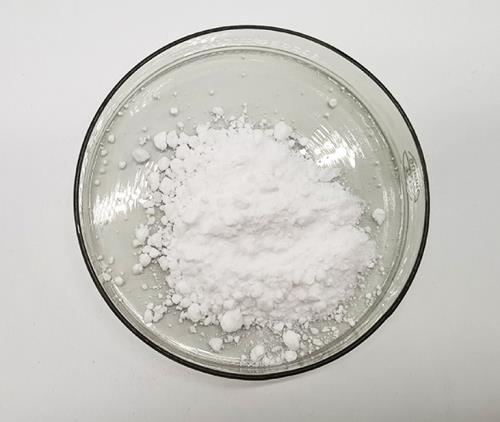
Dissolvable shower gel tablets with Cocoyl Glutamic Acid
Cosmetic products formulated for clean and enhance the appearance of the skin and hair such as shower gels, shower creams, shampoos, conditioners, body washes, facial cleansers and liquid soaps are generally in package of plastic bottle or bags. The increased use of plastic packaging in the beauty industry has raised concerns about its impact on the environment. The appropriate ratio of two surfactants, cocoyl glutamic acid (CGA) and sodium coco sulphate (SCS), was optimized using design of experiments. Additionally, skin hydration of the emollient either omega oil or glycerine was taken into account when determining its concentration. After that, powdered shower gel formulations were made and tested for their properties, including cleaning power, and foamability. On 30 human volunteers, the effects of reconstituted shower gel on skin redness, cleaning effectiveness and overall satisfaction were evaluated. The cleansing efficacy test was conducted using a representative sample of a dirt mixture comprised of 40% white petrolatum, 40% lanolin and 20% liquid paraffin. The sample was applied onto the inner arm and the amount of sebum present was measured using a sebumeter (Skin Diagnostic SD 202, Courage + Khazaka Electronic GmbH, Germany). The cleaning was carried out with various proportional formulations of the surfactants (sodium coco sulphate and Cocoyl Glutamic Acid).[1]
The cleaning efficiency of different surfactant ratios between SCS and CGA is presented. The SCS and CGA at a ratio of 15:15 offered highest average sebum reduction (45%). The response surface diagram depicting the effect of surfactant ratio (SCS:CGA) on skin sebum reduction percentage was generated based on the experimental design (two-factor, three-level factorial design). The obtained response surface plot revealed the extent to which SCS and Cocoyl Glutamic Acid reduced sebum production in the epidermis. A higher concentration of both surfactants could enhance cleaning efficiency. The partial least square (PLS) model supports this conclusion. The obtained PLS model of SCS and CGA had a significant effect on sebum reduction percent (p < 0.001). According to the equation, both SCS and CGA significantly reduced skin sebum. SCS appears to reduce sebum more effectively than Cocoyl Glutamic Acid. This might be because SCS is a synthetic detergent derived from coconut oil. It is a harsher surfactant than other coconut-based surfactants like sodium lauryl sulphate (SLS) and sodium lauryl sulfoacetate (SLSA) and is often used in cleaning products. SCS has stronger surfactant activity compared to CGA, which is a mild surfactant derived from glutamic acid, an amino acid found in plants and animals. Cocoyl Glutamic Acid is a gentle cleanser and is often used in products for sensitive skin or in formulations that require a mild cleansing action.
To improve skin hydration, various concentrations of glycerine and omega oil were added to the formulation (SCS and Cocoyl Glutamic Acid at a ratio of 7.4:8.0). The effect of various emollient types and concentrations on skin moisture is depicted. In addition, two commercial shower gel products and water were tested for comparison. Compared to the formulation without emollients, glycerine and omega oil were found to significantly maintain skin moisture. In addition, the formulation of SCS and Cocoyl Glutamic Acid with the employed emollient had a superior skin emollient than commercial products. This is due to the fact that both glycerine and omega oil are effective moisturizing agents that can enhance skin hydration in various ways. Glycerine is a humectant, which means that it attracts and retains moisture in the epidermis. When Cocoyl Glutamic Acid is applied to the skin, it forms a protective layer that prevents moisture loss and hydrates the skin. The dissolvable shower gel tablet formulation was successfully developed and is comparable with the shower gel product that is available on the market. The study employed a factorial design to determine the optimal proportion and quantity of key ingredients, including surfactants and emollients.
References
[1]Huanbutta, Kampanart et al. “Dissolvable shower gel tablets with enhanced skin benefits.” International journal of cosmetic science vol. 45,6 (2023): 739-748. doi:10.1111/ics.12882
See also
Lastest Price from cocoyl glutamic acid manufacturers
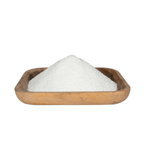
US $30.00-1.00/kg2025-10-31
- CAS:
- 210357-12-3
- Min. Order:
- 10kg
- Purity:
- 99%
- Supply Ability:
- 600tons
US $2.00-5.00/kg2025-06-24
- CAS:
- 210357-12-3
- Min. Order:
- 1kg
- Purity:
- 99%
- Supply Ability:
- 100kg