Effects of L-epicatechin
Introduction
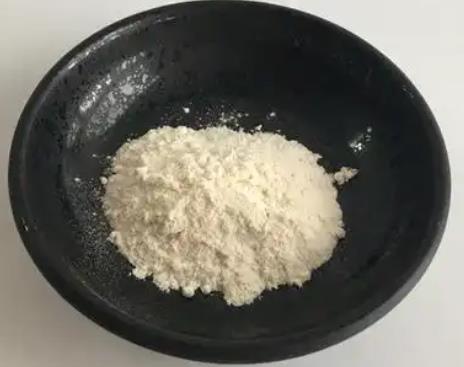
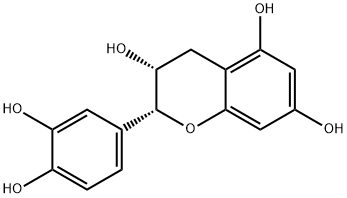
L-Epicatechin (Figure.1, 2-(2,5-dihydroxyphenyl)-chroman-3,5,7-triol), a small molecule based on a chroman skeleton, is naturally found in a wide range of plants and traditional medicinal herbs. This low-molecular weight (290.27 g/mol) compound has been associated with mitochondrial improvements in animal and human studies of different organs or tissues, such as the heart,skeletal muscle, and neurons. Its chemical structure features hydroxyl groups at the 2 and 5 positions of the aromatic ring and at the 3, 5, and 7 positions of the chroman ring. These structural elements are believed to underlie its potent antioxidant activity. Specifically, the hydroxyl groups at positions 2 and 5 are thought to be highly reactive, contributing to free radical stabilization,while those on the chroman ring further enhance its antioxidative capacity. Additionally, the conjugated system between the aromatic ring and chroman nucleus may facilitate electron delocalization, thereby improving the molecule’s radical-scavenging stability. Although the antioxidant properties of L-epicatechin have been well documented, its role in supporting embryonic development or mitigating stress-induced damage during in vitro embryo culture in livestock remains largely unexplored.[1]
L-epicatechin may serve as a beneficial additive
Ochratoxin A (OTA), a mycotoxin produced by Aspergillus and Penicillium species, is commonly found in various food products and is known to cause oxidative stress. It also exhibits embryotoxic effects in several animals, including pigs. In porcine in vitro embryo production (IVP), Oxidative stress and endoplasmic reticulum (ER) stress are key factors that impair embryo development and quality. This study evaluated the effects of L-epicatechin (L-E), a natural polyphenol, on embryonic development under OTA-induced stress in a porcine model. Supplementation with L-epicatechin significantly improved cleavage and blastocyst formation rates, reduced intracellular reactive oxygen species (ROS) and malondialdehyde (MDA) levels, and increased glutathione (GSH) levels as well as the activities of superoxide dismutase (SOD) and catalase (CAT). In addition, L-epicatechin maintained mitochondrial membrane potential, enhanced mitochondrial activity, and partially restored ATP production. ER stress-related markers, including sXBP1, GRP78, and CHOP, were downregulated in embryos treated with L-epicatechin. These results suggest that 1 mg/L of L-epicatechin partially mitigates OTA-induced cellular stress and promotes embryo viability by regulating oxidative balance, organelle function, and apoptosis. L-epicatechin may serve as a beneficial additive to improve culture conditions and developmental outcomes in porcine IVP systems.[1]
Bioavailability of pure L-epicatechin
Comparative studies have established that cocoa extracts have greater biological activity than L-epicatechin alone,a finding that suggests a synergistic effect between L-epicatechin and other cocoa compounds. A recent diet-controlled study evaluated L-epicatechin’s ADME using radiolabeled and stereochemically pure [2-14C](-)-epicatechin([14C]EPI). Study participants ingested a drink that contained radiolabeled [14C]EPI (300 mCi [60 mg]), and kinetic profiles were measured over 48 hours. The authors demonstrated that 82% 6 5% of ingested[14C]EPI was absorbed. The plasma radioactivity kinetic profile was biphasic, with peaks at 1 and 6 hours. The first peak reflected the kinetic profile of EPIms and methyl-(-)-epicatechin metabolites, whereas the second peak corresponded to 5-carbon-ring–fission microbiotal metabolites that are absorbed at more distal points in the gastrointestinal tract. Overall excretion of[14C]EPI reached 94.8% of the total ingested, suggesting that tissue deposition of compounds derived from the acute intake of L-epicatechin is < 5.2%. Tissue distribution and uptake of L-epicatechin in specific cell types have not been extensively studied. However, studies available for cell cultures and rodent models have indicated that glial cells and the liver can take up L-epicatechin. Nevertheless, L-epicatechin metabolites do not appear to be taken up by cells to a significant extent. To our knowledge, the ability of mitochondria to take up L-epicatechin has never been assessed and should be explored in future studies.[2]
Effects of L-epicatechin on mitochondria
Several conclusions can be derived from the available literature on the effects of epicatechin on mitochondria.Most importantly, it appears clear that supplementation with L-epicatechin over several weeks is effective at improving mitochondrial content and function in muscle and potentially in other tissues. L-Epicatechin could thus represent an interesting adjuvant therapy for the management of diseases associated with mitochondrial dysfunction. With regard to the underlying mechanisms, the available data indicate L-epicatechin is effective at promoting mitochondrial biogenesis at physiological concentrations, which can account, at least in part, for the increase in tissue mitochondrial content. This effect is mediated mainly by the stimulation of NO- and SIRT1-dependent signaling, converging on PGC1a and major nuclear transcriptional complexes. In addition,L-epicatechin appears to have direct acute effects on mitochondria in vitro, a phenomenon that affects membrane fluidity, respiratory capacity, and ROS production.However, the underlying mechanisms and their physiological significance remain to be established. Some evidence suggests the benefits of L-epicatechin are most readily observed in sedentary individuals or patients with disease who have lower oxidative capacities. The impact of this type of supplementation in active individuals is less obvious. Importantly, bioavailability studies indicate orally administered L-epicatechin is extensively metabolized in the gut, with a number of secondary metabolites appearing in the blood at concentrations that are equivalent to or in excess of L-epicatechin. The impact of these secondary metabolites on mitochondrial function is completely unknown and should be investigated, considering that the types of secondary metabolites generated in the gut vary extensively across species.[2]
Biological activities of L-epicatechin and L-epicatechin-containing foods
Recent studies have suggested that certain L-epicatechin-containing foods have a blood pressure-lowering capacity. The mechanisms underlying L-epicatechin action may help prevent oxidative damage and endothelial dysfunction, which have both been associated with hypertension and certain brain disorders. Moreover, L-epicatechin has been shown to modify metabolic profile, blood's rheological properties, and to cross the blood-brain barrier. Thus, L-epicatechin causes multiple actions that may provide unique synergy beneficial for cardiovascular and neuropsychological health. The biological actions of L-epicatechin, related to cardiovascular and brain functions, which may play a remarkable role in human health and longevity.[3]
References
[1] Wang X, Li M, Jiang N, Jin L, Li C. L-epicatechin partially alleviates Ochratoxin A-induced oxidative and endoplasmic reticulum stress and improves developmental competence of porcine embryos during in vitro culture. Theriogenology. 2025;248:117610. doi:10.1016/j.theriogenology.2025.117610
[2] Daussin FN, Heyman E, Burelle Y. Effects of (-)-epicatechin on mitochondria. Nutr Rev. 2021;79(1):25-41. doi:10.1093/nutrit/nuaa094
[3] Bernatova I. Biological activities of (-)-epicatechin and (-)-epicatechin-containing foods: Focus on cardiovascular and neuropsychological health. Biotechnol Adv. 2018;36(3):666-681. doi:10.1016/j.biotechadv.2018.01.009
You may like
See also

Lastest Price from L-Epicatechin manufacturers

US $0.00-0.00/kg2026-03-16
- CAS:
- 5323-91-2
- Min. Order:
- 1kg
- Purity:
- 98%
- Supply Ability:
- no limitation
US $0.00/KG2026-03-16
- CAS:
- 490-46-0
- Min. Order:
- 1KG
- Purity:
- 98% HPLC
- Supply Ability:
- 1000KG