Fmoc-Leu-OH: Peptide Building Block & Anti-Inflammatory Agent
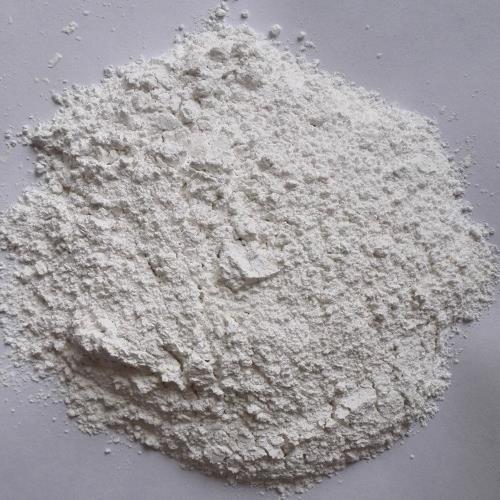
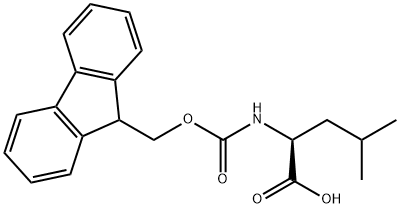
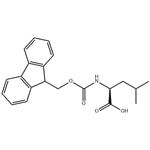
Fmoc-Leu-OH is the most widely used α-amino-protected leucine derivative in solid-phase peptide synthesis and is a core member of the standard Fmoc-protected amino acid family. Its molecular structure is based on an L-leucine backbone, with the α-amino group linked to the Fmoc protecting group via a stable carbamate bond, whilst the carboxyl group remains free. This reagent possesses extremely high optical purity, effectively ensuring the stereochemical uniformity of the synthesised peptides and preventing racemisation. Fmoc-Leu-OH is widely used in the pharmaceutical and biochemical fields. It serves as a key monomer for the synthesis of antimicrobial peptides, antitumour peptides, enzyme inhibitors and various functional peptides, and is also a fundamental raw material for the construction of peptide libraries and research into protein structure and function.
Fmoc-Leu-OH as a class of antiinflammatory agent
Several members of a series of N-(fluorenyl-9-methoxycarbonyl) amino acids were found to possess a broad spectrum of antiinflammatory activity. The compounds were active against oxazolone dermatitis in mice and adjuvant arthritis in rats, models in which activated T lymphocytes are implicated. The compounds also inhibited T-lymphocyte activation in vitro, assessed by using the mixed lymphocyte reaction. The compounds inhibited the reversed passive Arthus reaction in rats and arachidonic acid-induced dermatitis in mice, models in which leukocyte infiltration is responsible for the inflammatory reaction. More complete evaluation was made of one compound, N-(fluorenyl-9-methoxycarbonyl)leucine (Fmoc-Leu-OH, NPC 15199). On histologic examination after arachidonic acid administration, Fmoc-Leu-OH was found to block recruitment of neutrophils into the inflammatory site. The compound was not a general myelotoxin. Prolonged treatment of animals did not alter bone-marrow progenitor number or the numbers of circulating white blood cells. Further, several white cell functions were not inhibited in vitro, including neutrophil respiratory burst and macrophage phagocytosis. Fmoc-Leu-OH was effective in blocking antigen arthritis in rabbits and was effective in a therapeutic protocol, reversing oxazolone edema. These studies suggest that N-(fluorenyl-9-methoxycarbonyl) amino acids may be valuable therapeutic agents for inflammatory diseases.[1]
Guinea pig ileitis is attenuated by Fmoc-Leu-OH
Anti-inflammatory properties have been ascribed to a series of N-(fluorenyl-9-methoxycarbonyl) amino acids called leumedins that inhibit the activity of granulocytes and T-lymphocytes. We evaluated one of these leumedins, Fmoc-Leu-OH (NPC 15199), in a model of ileitis in guinea pigs. Ileitis was induced by intraluminal trinitrobenzenesulfonic acid (TNBS 30 mg/kg in 50% ethanol) in anesthetized guinea pigs. NPC 15199 was administered daily (10 or 100 mg/kg, s.c.). After 7 days, the guinea pigs were anesthetized, and saline was administered intraluminally into an ileal loop created at the site of TNBS administration and was withdrawn after 30 min. The changes in lavage protein, nitrite levels, myeloperoxidase (MPO) activity and mast cell numbers were used as indices of inflammation and injury. NPC 15199 (10 or 100 mg/kg) attenuated or abolished TNBS-induced elevations in lavage protein and nitrite content. Only the high dose of Fmoc-Leu-OH (100 mg/kg) attenuated ileal MPO activity and mast cell hyperplasia. Histological disturbances induced by TNBS administration included crypt hypertrophy, mucosal and submucosal fibrosis and smooth-muscle hyperplasia. These disturbances were reversed by high-dose NPC 15199 (100 mg/kg) but were minimally affected by low-dose NPC 15199 (10 mg/kg). We conclude that Fmoc-Leu-OH prevents mucosal injury and dysfunction in this model of intestinal inflammation. Inhibition of granulocyte infiltration does not appear to be essential for the beneficial effects of NPC 15199 and suggests that the alternative actions of Fmoc-Leu-OH may be pertinent to this model.
Fmoc-Leu-OH mobilizes Ca²⁺ in BFTC cells
Fmoc-Leu-OH, a novel anti-inflammatory agent, increases intracellular Ca2+ concentration ([Ca2+]i) in human bladder female transitional cancer (BFTC) cells. Using fura-2 as a Ca2+ probe, NPC-15199 (0.1-2 mM) was found to increase [Ca2+]i concentration-dependently. The response saturated at 2-5 mM Fmoc-Leu-OH. The [Ca2+]i increase comprised an initial rise, a slow decay, and a plateau. Ca2+ removal partly inhibited the Ca2+ signals. In Ca2+-free medium, pretreatment with 1 mM NPC-15199 abolished the [Ca2+]i increase induced by 1 microM thapsigargin (an endoplasmic reticulum Ca2+ pump inhibitor); and after pretreatment with thapsigargin, Fmoc-Leu-OH-induced Ca2+ release was dramatically inhibited. This indicates that NPC-15199 released internal Ca2+ mostly from the endoplasmic reticulum. Adding 3 mM Ca2+ increased [Ca2+]i in cells pretreated with 1 mM NPC-15199 in Ca2+-free medium. Together, the findings suggest that in BFTC bladder cancer cells, NPC-15199 induced Ca2+ release from the endoplasmic reticulum and activating Ca2+ entry.[3]
References
[1]Burch, R M et al. “N-(fluorenyl-9-methoxycarbonyl) amino acids, a class of antiinflammatory agents with a different mechanism of action.” Proceedings of the National Academy of Sciences of the United States of America vol. 88,2 (1991): 355-9. doi:10.1073/pnas.88.2.355
[2]Miller, M J et al. “Guinea pig ileitis is attenuated by the leumedin N-(fluorenyl-9- methoxycarbonyl)-leucine (NPC 15199).” The Journal of pharmacology and experimental therapeutics vol. 266,1 (1993): 468-72.
[3]Jan, C R et al. “NPC-15199, a novel anti-inflammatory agent, mobilizes intracellular Ca2+ in bladder female transitional carcinoma (BFTC) cells.” The Chinese journal of physiology vol. 43,1 (2000): 29-33.
See also
Lastest Price from Fmoc-Leu-OH manufacturers
US $0.00/Kg/Drum2025-04-21
- CAS:
- 35661-60-0
- Min. Order:
- 1KG
- Purity:
- 98%min
- Supply Ability:
- 1000kg
US $0.00-0.00/kg2025-04-21
- CAS:
- 35661-60-0
- Min. Order:
- 1kg
- Purity:
- 98%
- Supply Ability:
- 1T