Garlic Oil: Bioactivities & Therapeutic Applications
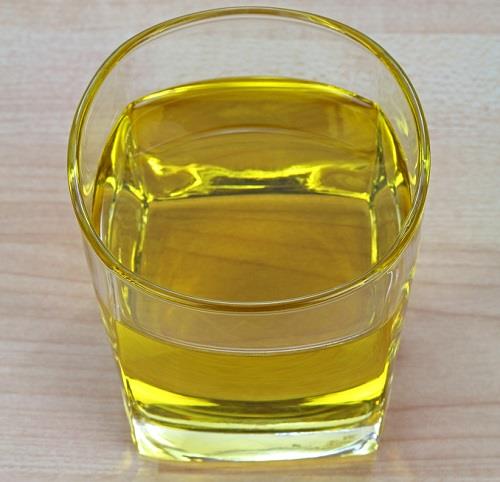
Garlic oil is made through steam distillation of fresh garlic cloves or by soaking the cloves in a carrier oil and allowing the active components of the garlic to be leached into the oil. Garlic is scientifically known as Allium sativum and is known as one of the healthiest foods you can add to your diet. It can be used in culinary applications and is also widely applied in natural medicine practices. The oil is also widely available in oral tablet or capsule form, although this delivers a far less concentrated dose of garlic’s active ingredients. The majority of the health benefits acquired through garlic oil are attributed to its high content of allicin, sulfide compounds, key amino acids, and enzymes, as well as ajoene and other antioxidant compounds. Garlic oil is a rich source of vitamins, minerals and antioxidants. Its most well-known component is allicin, although due to its unstable nature, it disappears after a garlic clove has been cut or crushed. A major bioactive compound found in garlic is diallyl disulfide, which is believed to offer antimicrobial, anti-inflammatory, cardiovascular, neuroprotective, antioxidant and anticancer properties. Once the digestive tract breaks down garlic it releases sulphur compounds that travel throughout the body, providing effective biological effects.
Anti-obesity and Hypolipidemic effects of garlic oil
Garlic has been widely used as a foodstuff and, for many centuries, has also been used as a traditional medicine due to its perceived effects in preventing and curing ailments. China has 33.3 million square meters devoted to cultivating garlic and produces more than 500 million tons of garlic, accounting for ½ of the total area of cultivated garlic in Asia and 1/3 of the total area of cultivated garlic in the world. Several organosulfur compounds present in garlic oil have been shown to possess numerous biological activities. The four most important organosulfur compounds, considered to be the major biological agents, are diallyl sulfide (DAS), diallyl disulfide (DADS), diallyl trisulfide (DATS) and allylmethyl trisulfide. It is important to find reasonable and effective ways to prevent, control, and improve dyslipidemia to provide significant reductions in atherosclerosis and cardio-cerebral vascular diseases. Obesity is one of the most prevalent heath conditions that may foster various diseases, such as dyslipidemia, metabolic syndrome, hypertension and increased risk of cardiovascular mortality. There have been few studies concerning the lipid-lowering and anti-obesity properties of garlic oil and onion oil prior to the current study. The objectives of this study were to explore the influence of garlic oil and onion oil on serum lipid levels in dyslipidemia model rats, to provide a scientific basis for the prevention of dyslipidemia through a dietary approach, and to explore the potential health benefits of garlic and onion.[1]
Dyslipidemia and obesity have been gaining significant attention from public health officials in developing countries because they can result in an astonishing increase in the risk factors of diabetes, hepatic adipose infiltration, and cardiovascular disease. In view of the perceived role of food and nutrition in the etiology of chronic diseases and in their prevention, effective nutritional intervention strategies for preventing or managing chronic diseases would be desirable. This animal study has evaluated the anti-obesity and hypolipidemic effects of onion oil and garlic oil on hyperlipidemia experimentally induced through the feeding of a high-fat diet. The results revealed that the body weight gains of the rats in the HFD groups were significantly higher than that in the NC group, and the weight gains in the garlic oil and onion oil groups were normalized to or lower than that in the NC group. Our data demonstrated that garlic oil and onion oil improved the lipid profile by lowering serum TC, TG, and LDL-C concentrations and the atherogenic index compared with the HFD-B group. The serum TC concentration in the rats in the HFD-A (3.11 mmol/L) group increased by 88.9% compared with the NC group (1.65 mmol/L). However, the serum TC concentrations of the rats in the GO-H and OO-H groups decreased by 38.1 and 19.6%, respectively, compared with the HFD-B group. Similar results have been documented in the reports of Bordia and others.
Action of garlic oil against Candida albicans
Currently, disseminated invasive candidiasis has an estimated mortality rate of 40%, even with the use of antifungal drugs. Candida albicans is the primary cause of candidiasis and is the fourth most common cause of nosocomial infection. C. albicans is an opportunistic pathogen of humans and an endogenous member of the human microbiota. In the past two decades, infections caused by C. albicans have increased significantly. A characteristic feature of C. albicans is its ability to grow either as unicellular budding yeast or in filamentous form. For example, C. albicans cells in biofilms are 100 times or more resistant to fluconazole and 20 times or more resistant to amphotericin B than those in the planktonic form. Besides being pathogenic, C. albicans also provides an excellent eukaryotic model system to explore the antifungal mechanisms of potent drugs. Garlic is a common food that has been widely used in traditional medicine for thousands of years. Garlic oil, which is extracted from garlic, has been shown to have effective antifungal and anti-inflammatory activities. Diallyl trisulfide (DTS) and diallyl disulfide (DDS) are the most abundant volatile sulfur-containing compounds in garlic oil. Our experiments showed that it had excellent antifungal activity against C. albicans. Therefore, the antifungal activity, kinetics, and molecular mechanism of action of garlic oil against C. albicans ATCC 10231 were studied using multiple techniques. Our study provided new knowledge regarding the antifungal effect of garlic oil.[2]
Using the poisoned food technique, we determined that the minimum inhibitory concentration of garlic oil was 0.35 μg/mL. Observation by transmission electron microscopy indicated that garlic oil could penetrate the cellular membrane of C. albicans as well as the membranes of organelles such as the mitochondria, resulting in organelle destruction and ultimately cell death. RNA sequencing analysis showed that garlic oil induced differential expression of critical genes including those involved in oxidation-reduction processes, pathogenesis, and cellular response to drugs and starvation. Moreover, the differentially expressed genes were mainly clustered in 19 KEGG pathways, representing vital cellular processes such as oxidative phosphorylation, the spliceosome, the cell cycle, and protein processing in the endoplasmic reticulum. In addition, four upregulated proteins selected after two-dimensional fluorescence difference in gel electrophoresis (2D-DIGE) analysis were identified with high probability by mass spectrometry as putative cytoplasmic adenylate kinase, pyruvate decarboxylase, hexokinase, and heat shock proteins.
Garlic Oil against Human Enteric Bacteria
The antimicrobial effects of aqueous garlic extracts are well established but those of garlic oil (GO) are little known. Methodologies for estimating the antimicrobial activity of GO were assessed and GO, GO sulfide constituents, and garlic powder (GP) were compared in tests against human enteric bacteria. Test methodologies were identified as capable of producing underestimates of GO activity. Antimicrobial activity was greater in media lacking tryptone or cysteine, suggesting that, as for allicin, Garlic oil effects may involve sulfhydryl reactivity. All bacteria tested, which included both gram-negative and -positive bacteria and pathogenic forms, were susceptible to garlic materials. Based upon its thiosulfinate content, GP was more active than Garlic oil against most bacteria, although some properties of GO are identified as offering greater therapeutic potential. Further exploration of the potential of GP and GO in enteric disease control appears warranted.[3]
![Article illustration]() References
References
[1]Yang C, Li L, Yang L, Lǚ H, Wang S, Sun G. Anti-obesity and Hypolipidemic effects of garlic oil and onion oil in rats fed a high-fat diet. Nutr Metab (Lond). 2018 Jun 20;15:43. doi: 10.1186/s12986-018-0275-x. PMID: 29951108; PMCID: PMC6011244.
[2]Li WR, Shi QS, Dai HQ, Liang Q, Xie XB, Huang XM, Zhao GZ, Zhang LX. Antifungal activity, kinetics and molecular mechanism of action of garlic oil against Candida albicans. Sci Rep. 2016 Mar 7;6:22805. doi: 10.1038/srep22805. PMID: 26948845; PMCID: PMC4779998.
[3]Ross ZM, O'Gara EA, Hill DJ, Sleightholme HV, Maslin DJ. Antimicrobial properties of garlic oil against human enteric bacteria: evaluation of methodologies and comparisons with garlic oil sulfides and garlic powder. Appl Environ Microbiol. 2001 Jan;67(1):475-80. doi: 10.1128/AEM.67.1.475-480.2001. PMID: 11133485; PMCID: PMC92605.
You may like
See also
Lastest Price from Garlic oil manufacturers
US $0.00-0.00/KG2025-04-15
- CAS:
- 8008-99-9
- Min. Order:
- 1KG
- Purity:
- 99%
- Supply Ability:
- 500000kg

US $120.00/kg2025-04-15
- CAS:
- 8008-99-9
- Min. Order:
- 1kg
- Purity:
- 99%
- Supply Ability:
- 20ton