Ginsenoside Re: Diverse Pharmacological Properties
Ginsenoside Re is an active component in ginseng that demonstrates anti-inflammatory effects by modulating pathways and cytokine production, possesses neuroprotective properties against neurodegenerative diseases, exhibits antioxidant activity by neutralizing reactive oxygen species, and shows potential in inhibiting cancer cell growth. Additionally, Ginsenoside Re has been explored for cardioprotective effects, impacting blood pressure, lipid profiles, and vascular function.
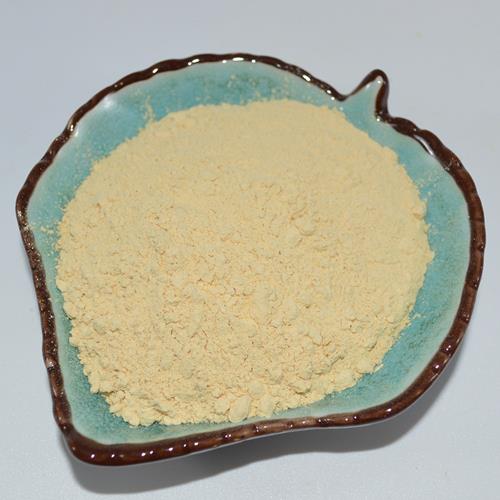
Pharmacological Properties of Ginsenoside Re
Previous research has shown that Ginsenoside Re is more abundant in leaves, berries, and flower buds than in roots, and that it is the major saponin in P. ginseng fruits. The percentage weight of Re extracts from American P. ginseng were 4.79, 3.5, and 0.4% in leaves, berries, and roots, respectively. This work showed that P. ginseng leaves and berries had the highest Re concentration, and that Re is the major ginsenoside in P. ginseng leaves. These findings also revealed that the Re content is different in various parts of the P. ginseng plant. In recent years, Ginsenoside Re has been attracting attention as a dietary phytochemical, likely attributed to advantages such as ease of availability, low cost, high efficacy, straightforward isolation and purification techniques, and low side effects and toxicity risks. It is also known to improve skin barrier function, regulate cholesterol metabolism, alleviate allergic responses, enhance the immune response, improve osteoporosis, increase sperm motility, reduce erectile dysfunction, promote cyclic growth of hair follicles, and reduce gastrointestinal motility dysfunction. In this review, the pharmacological actions and associated molecular mechanisms, pharmacokinetic characteristics, and toxicology of Re were summarized after researching major online databases. This review also describes the limitations of Ginsenoside Re.[1]
Previous studies have shown that Re is abundant in the leaves, berries, flower buds, and roots of P. ginseng plants, in which the Re compound accounts for more than 30% of the total ginsenoside conten. Its pharmaco-economical merits support its use in natural supplements or drug formulations. Although Ginsenoside Re is a relatively abundant ginsenoside with well-known pharmacological effects, to date, little is known about its pharmacokinetic profiles. Several studies have shown that because of its low bioavailability after oral absorption, its therapeutic effect is poor. Therefore, in-depth pharmacokinetic studies of Re should be performed to examine the presence of active metabolites. The identification of these metabolites may provide pivotal information regarding the bioactive forms of the ginsenoside Re and its pharmacological mechanisms. The potential therapeutic effect of Re may be improved by modifying the mode of administration or chemical structure. Structural changes in ginsenoside after heat processing may be strongly related to improvement in biological activity. After heat processing, Ginsenoside Re demonstrated improved therapeutic efficacy, including anti-oxidant and anti-cancer activities. Therefore, this area could be a new focus for future research. In conclusion, the beneficial properties of Re for DM, nervous system diseases, inflammatory responses, CVD, cancers, viral infections, oxidative stress, cholesterol metabolism, allergic and immune responses indicate its potential as a novel treatment agent, but these properties need to be verified by future clinical experiments.
Metabolism of Ginsenoside Re
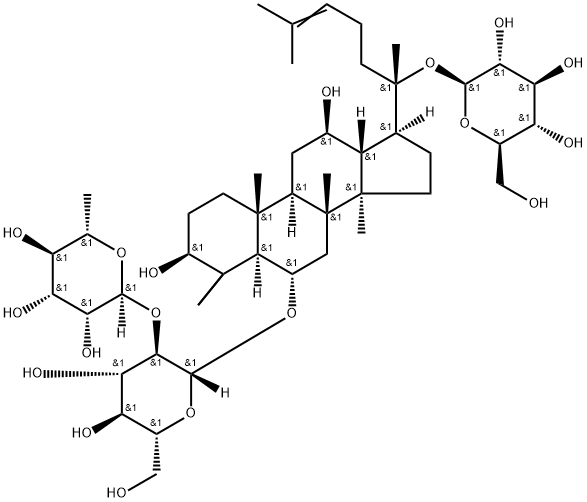
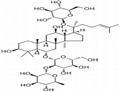
Ginseng is a key herb in Chinese medicine, and has a wide range of therapeutic and pharmacological uses. Panax ginseng is a slow growing perennial herb of the Araliaceae family usually cultivated in China, Japan, Korea and Russia, as well as in the United States and Canada. Ginseng root has been used as an oriental folk medicine for several thousand years. Ginsenoside Re (Re) belongs to 20(S)-protopanaxatriol group, and is a major ginsenoside in ginseng. Literature shows that Re exhibits multiple pharmacological activities via different mechanisms. For example, in cardiovascular system, Re possesses negative effects on cardiac contractility and autorhythmicity, anti-arrhythmic and anti-ischemic effects, angiogenic regeneration activities and cardiac electrophysiological functions. Xie et al. and Li et al. found that the quantity of Re in ginseng leaf and berry is much higher than in ginseng main root and suggested that ginseng leaf-stem could be a valuable source for Ginsenoside Re. There have been other new findings in recent years. This article provides an overview of the recent advances in chemistry, metabolism and pharmacokinetics of Re. Han et al. showed that PPT ginsenosides are hydrolyzable to Rh1 under mild acidic conditions.[2]
The rat urine samples were collected and pretreated through C(18) solid-phase extraction cartridges prior to analysis. As a result, eleven and nine metabolites together with Re were detected and identified in rat urine after oral and intravenous administration, respectively. Oxidation and deglycosylation were found to be the major metabolic processes of the constituent in rat, indicating that a large part of the intact ginsenosides was metabolized and transformed to ginsenosides with more biological effects in the gastrointestinal tract. The plasma concentrations of Ginsenoside Re and Rg1 were determined and the pharmacokinetic parameters were calculated after intravenous Shenmai injection in ten volunteers. The study found the distribution and elimination of Re and Rg1 to be rapid after intravenous injection; and the pharmacokinetic characteristics could be fitted to the two-compartment model of pharmacokinetics. PPT ginsenosides, such as Re and Rg1, were mainly converted to Rh1 and F1 and then to corresponding aglycones. Multiple biological and environmental factors affect the quantity and quality of ginsenosides in ginseng parts. Studies on Re demonstrate that (1) the absorption of Ginsenoside Re is quick in rats; (2) PPT, Re and Rg1, are likely to be metabolized to Rh1 and F1 by intestinal microflora before absorption into the blood; and (3) Ginsenoside Re can be quickly eliminated from the body.
Ginsenoside-Re-rich ethanol extract enhances healthspan extension
Mitochondria are central to cellular energy metabolism and play a critical role in regulating cell survival and death. Their function extends beyond energy production, encompassing roles in signaling, cellular differentiation, and the control of the cell cycle and cell growth. Its active components significantly boost mitochondrial biogenesis and operational efficiency, influencing cellular energy processes. Additionally, ginseng berry's ability to stimulate sirtuins suggests a mechanism for extending lifespan and enhancing resilience against cellular stress. While there has been considerable focus on various ginsenosides, Ginsenoside Re has been somewhat underexplored. Recent research highlights that Ginsenoside Re promotes autophagy, offers protection against myocardial fibrosis and ferroptosis, reduces oxidative stress, and mitigates neuroinflammation. Additionally, we found that orally administering GBC improves endurance performance in mice by reducing post-exercise blood lactate and ammonia levels, which implies improved mitochondrial function. Based on this, we hypothesize that ginsenoside Re, the major ingredient of GBC, contributes to mitochondrial homeostasis, encompassing both biogenesis and quality control mechanisms.[3]
Despite these advances, our study has limitations. The specific molecular targets of G-Re affecting mitochondrial gene expression remain unidentified, highlighting the need for future research to map its molecular influence. This understanding is essential for determining therapeutic dosages and refining Ginsenoside Re for clinical use. Additionally, while upregulation of mitochondrial genes related to homeostasis, senescence, and NAD+ metabolism is promising, translating these findings to human health and aging poses significant challenges. Future research must focus on validating these mechanisms in human cells and clinical settings to develop effective anti-aging therapies. This study provides strong evidence that ginsenoside Re promotes healthy aging by inducing mitophagy and enhancing mitochondrial homeostasis. These findings deepen our understanding of ginseng-derived compounds, particularly G-Re, and their role in modulating cellular processes linked to aging. The ability of Ginsenoside Re to improve mitochondrial function and extend lifespan in C. elegans highlights its potential as a therapeutic agent for improving healthspan and combating age-related diseases.
References
[1]Gao XY, Liu GC, Zhang JX, Wang LH, Xu C, Yan ZA, Wang A, Su YF, Lee JJ, Piao GC, Yuan HD. Pharmacological Properties of Ginsenoside Re. Front Pharmacol. 2022 Apr 6;13:754191. doi: 10.3389/fphar.2022.754191. PMID: 35462899; PMCID: PMC9019721.
[2]Peng D, Wang H, Qu C, Xie L, Wicks SM, Xie J. Ginsenoside Re: Its chemistry, metabolism and pharmacokinetics. Chin Med. 2012 Feb 7;7:2. doi: 10.1186/1749-8546-7-2. PMID: 22314249; PMCID: PMC3296575.
[3]Kim M, Kim SH, Kim J, Jin EJ, Wei S, Jo Y, Oh CM, Ha KT, Roh JH, Kim WG, Cho D, Choi YJ, Jung SM, Ryu D. Ginsenoside-Re-rich ethanol extract of Panax ginseng berry enhances healthspan extension via mitostasis and NAD metabolism. J Ginseng Res. 2025 Jan;49(1):92-102. doi: 10.1016/j.jgr.2024.11.002. Epub 2024 Nov 28. Erratum in: J Ginseng Res. 2025 Mar;49(2):224. doi: 10.1016/j.jgr.2025.01.005. PMID: 39872286; PMCID: PMC11764779.
You may like
See also
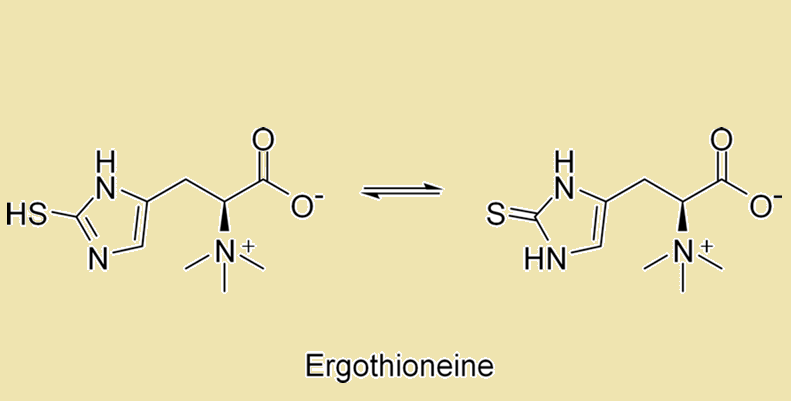
Lastest Price from Ginsenoside Re manufacturers
US $1.00/g2025-02-13
- CAS:
- 52286-59-6
- Min. Order:
- 1g
- Purity:
- 98%
- Supply Ability:
- 1000
US $0.00/mg2023-02-24
- CAS:
- 52286-59-6
- Min. Order:
- 5mg
- Purity:
- ≥98%(HPLC)
- Supply Ability:
- 10 g