Hesperidin Methylchalcone: Antioxidant & Anti-Inflammatory Activity
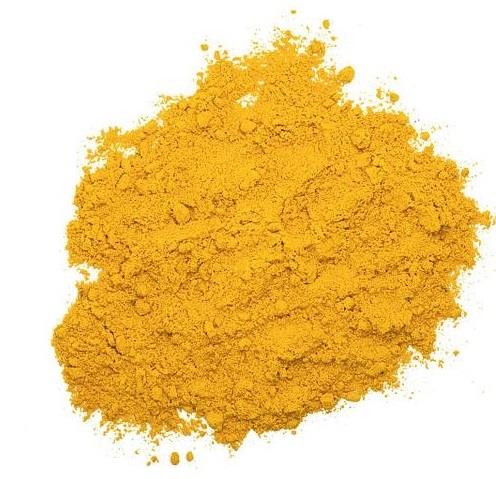
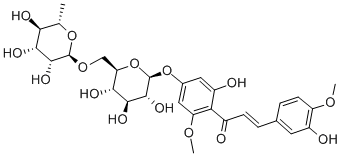
Hesperidin methylchalcone (HMC) is a semi-synthetic flavonoid derived from hesperidin, a bioflavonoid abundantly found in citrus fruits. The methylation process significantly enhances the water solubility and bioavailability of the parent compound, hesperidin, making HMC a compound of increasing interest in the pharmaceutical and cosmetic industries. The most common method for synthesizing hesperidin methylchalcone is through the methylation of its precursor, hesperidin, in an alkaline solution. This process not only methylates the compound but also induces isomerization from a flavanone to a chalcone structure.
Hesperidin Methylchalcone Targets Cytokines and Oxidative Stress
The use of non-steroidal anti-inflammatory drugs (NSAIDs) is a common approach due to their analgesic, anti-inflammatory, and anti-pyretic effects. Based on their recognized effectiveness for the treatment of inflammatory diseases and pain, their prescription is preferred in primary health care. The main mechanism related to NSAID-induced AKI is prostaglandin inhibition, which in turn, has a fundamental role in the control of renin release, electrolytic dysfunction, and vasoconstriction. Hesperidin methylchalcone (HMC; C29H36O15) is a product of methylation of the flavanone hesperidin (hesperidin-7-rhamnoglucoside), a flavonoid found in plants and foods, for instance, Rutaceae and citrus fruits, respectively. Hesperidin presents poor water solubility, resulting in unsatisfactory absorption in the small intestine; however, its solubility is improved after a methylation reaction under alkaline conditions, which promotes hesperidin isomerization, and the generation of the HMC. Importantly, experimental and clinical data demonstrated that hesperidin methylchalcone is safe, even during long term use and high doses. Thus, the eventual repurposing of HMC is feasible. Nevertheless, an investigation of its effects in kidney tissue stimulated with toxic doses of diclofenac, which mimics AKI induced by NSAIDs, has yet to be conducted. The present study aims to explore the beneficial therapeutic properties of HMC on experimental NSAID-induced AKI and the mechanisms underlying these effects.[1]
Although considered a drug of first choice for many clinical conditions related to pain and inflammation, SDCF may induce kidney toxicity. One relevant pathological mechanism of SDCF for the induction of renal damage involves the depletion of antioxidant defenses together with increased oxidative stress. Therefore, alternative pharmacological tools with antioxidant properties and no adverse reactions for renal tissue need to be validated to reduce the potential negative impacts of this condition. Data obtained from this study indicates hesperidin methylchalcone improves antioxidant status, as measured by total antioxidant capacity in blood and renal tissue, and GSH levels in the kidney. Reduced lipid peroxidation in kidney and blood was also observed after HMC treatment. The alleviation of SDCF-induced nephrotoxicity by HMC was not limited to redox state modulation since it also inhibited pro-inflammatory cytokines in blood and kidney and increased production of the anti-inflammatory cytokine IL-10 in the kidney. These antioxidant and anti-inflammatory properties of hesperidin methylchalcone in the present model reduced the damage in renal tissue caused by SDCF with a contribution from the activation of the Nrf2/ARE redox-sensitive pathway and a reduction in Keap1. Thus, the present study supports clinical investigation of hesperidin methylchalcone as an effective therapeutic option for the treatment of SDCF-induced AKI.
Hesperidin Methylchalcone Reduces the Arthritis
Joint dysfunction can be induced by varied diseases, ranging from infections, chronic degeneration, tumors, and physical trauma. The impairment of joint functionality and chronic pain drastically decrease mobility and the degree of engagement in common life interactions. The wear of prostheses releases debris components that activate immune cells in periprosthetic tissue, leading to an aseptic inflammatory response. Wear debris is rapidly phagocytosed by resident cells producing mediators such as tumor necrosis factor (TNF)α, interleukin (IL)-1β, IL-33, and reactive oxygen species (ROS). The flavonoid hesperidin methylchalcone (HMC; 3,5,7-trihydroxy flavanone 7-rhamnoglucoside) is a current treatment for vascular diseases in a combination containing vitamin C and the extract of Ruscus aculeatus , which are commercialized under the commercial names Cyclo 3 Fort and BiCirkan. Hesperidin methylchalcone also consistently reduced oxidative stress and cytokine production in those varied models. Considering HMC’s mechanisms of action and the pathophysiological mechanisms of articular inflammation caused by TiO2, we reasoned that Hesperidin methylchalcone could represent a potential therapeutic approach to the treatment of TiO2 arthritis; however, to our current knowledge, this hypothesis has not been investigated so far.[2]
In the present study, we investigated the effect and mechanisms of action of HMC in TiO2-induced arthritis while considering what has been previously demonstrated in terms of the activity and mechanisms of action of this flavonoid. HMC is a semi-synthetic flavonoid that is clinically used as part of a commercial preparation to treat vascular disease. The present study demonstrates that Hesperidin methylchalcone treatment reduces TiO2-induced arthritis pain and the levels of various disease parameters. Its activity also involves reducing the parameters of tissue degradation, such as the level of proteoglycans. These effects were observed in the context of reducing oxidative stress; however, other prior mechanisms that have been shown for HMC might also explain its activity in TiO2-induced arthritis. We further advanced the understanding of TiO2-induced arthritis’s physiopathology and HMC’s activity by demonstrating that Hesperidin methylchalcone reduces the activation of TRPV1+ and TRPA1+ nociceptive neurons, which are already activated in basal conditions in TiO2-induced arthritis and present a boosted response to their standard agonists, and that HMC reduces such neuronal activation. At the pharmacologically active dose, HMC does not cause side effects that are common to non-steroidal anti-inflammatory drugs. Thus, HMC demonstrates potential to be used as a treatment for prolonged articular inflammation.
References
[1]Bussmann AJC, Zaninelli TH, Saraiva-Santos T, Fattori V, Guazelli CFS, Bertozzi MM, Andrade KC, Ferraz CR, Camilios-Neto D, Casella AMB, Casagrande R, Borghi SM, Verri WA Jr. The Flavonoid Hesperidin Methyl Chalcone Targets Cytokines and Oxidative Stress to Reduce Diclofenac-Induced Acute Renal Injury: Contribution of the Nrf2 Redox-Sensitive Pathway. Antioxidants (Basel). 2022 Jun 27;11(7):1261. doi: 10.3390/antiox11071261. PMID: 35883752; PMCID: PMC9312103.
[2]Artero NA, Manchope MF, Carvalho TT, Saraiva-Santos T, Bertozzi MM, Carneiro JA, Franciosi A, Dionisio AM, Zaninelli TH, Fattori V, Ferraz CR, Piva M, Mizokami SS, Camilios-Neto D, Casagrande R, Verri WA. Hesperidin Methyl Chalcone Reduces the Arthritis Caused by TiO2 in Mice: Targeting Inflammation, Oxidative Stress, Cytokine Production, and Nociceptor Sensory Neuron Activation. Molecules. 2023 Jan 15;28(2):872. doi: 10.3390/molecules28020872. PMID: 36677929; PMCID: PMC9864652.
You may like
Lastest Price from Hesperidin methylchalcone manufacturers
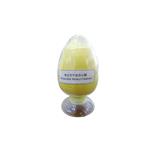
US $0.00-0.00/kg2025-05-23
- CAS:
- 24292-52-2
- Min. Order:
- 0.10000000149011612kg
- Purity:
- 99
- Supply Ability:
- 20tons
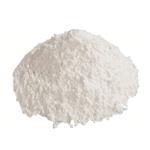
US $1.10/g2025-05-12
- CAS:
- 24292-52-2
- Min. Order:
- 1g
- Purity:
- 99.0% min
- Supply Ability:
- 100 tons min