Isoprenaline Hydrochloride: Beta-Agonist & Pharmacological Effects
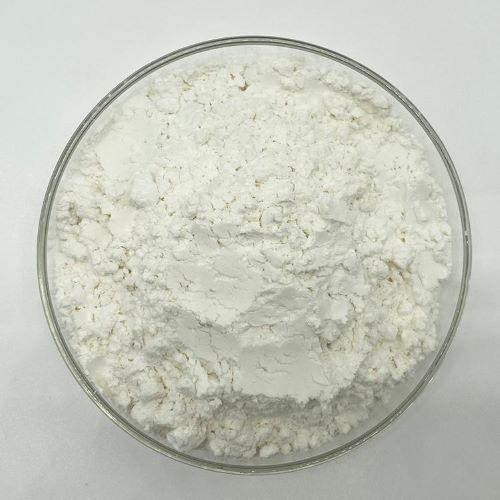
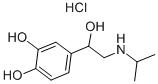
Isoprenaline hydrochloride is a non-selective beta adrenergic receptor agonist indicated to treat heart block, Adams-Stokes attacks, bronchospasm in anesthesia, cadiac arrest, hypovolemic shocks, septic shock, hypoperfusion, congestive hear failure, and cardiogenic shock. Isoprenaline hydrochloride research in the 1940s found that this isopropyl analog of epinephrine dilated the bronchi, as well as raising the heart rate and cardiac output, without vasoconstriction. The US patent from 1943 states that this compound had a wider therapeutic index and a stronger action than adrenaline.
Efficacy and Safety of Isoprenaline hydrochloride
Third-degree atrioventricular (AV) block is a complete loss of communication between the atrium and ventricle through the regular cardiac electroconductive pathways. Without appropriate conduction through the AV node, the sinoatrial node cannot act to control the heart rate, leading to a reduction in cardiac output up to an asystolic cardiac arrest. The decreasing cardiac output may lead to hemodynamic instability and symptoms such as hypotension, syncope, altered consciousness, angina, and heart failure. The condition can be fatal if not promptly treated. Current American guidelines recommend a specific treatment only for symptomatic and unstable bradycardic rhythms. Isoprenaline hydrochloride is a non-selective beta-adrenoreceptor agonist that was shown to elicit an escape rhythm in pacemaker-dependent patients undergoing generator replacement. Despite its chronotropic positive effect, no specific indication of its use in this setting of patients has been provided in current ACLS guidelines, probably due to its mild hypotensive effect caused by the lowering of peripheral vascular resistances. Our study aimed to assess the safety and the efficacy of isoprenaline hydrochloride infusion as an alternative to dopamine in a consecutive series of patients admitted to the critical care unit for unstable complete AV block while waiting for definitive pacemaker implantation.[1]
The main findings of this study are as follows: Isoprenaline hydrochloride has proved to be effective in the acute management of symptomatic complete AV block despite not being planned in the current guidelines; isoprenaline presented a lower incidence of adverse effects than dopamine, and it reduced the need for temporary artificial pacing while waiting for definitive pacemaker implantation. Our study results point out the efficacy of isoprenaline and its potential (over dopamine) for improving AV conduction, leading to hemodynamic stability and preserving urinary output without nausea/vomiting or any serious life-threatening side effects. Most of the patients treated with isoprenaline hydrochloride showed a good clinical outcome, and more than half regained normal AV conduction. Furthermore, the benefit of isoprenaline over dopamine was more evident in those patients with a wide QRS escape rhythm. Additionally, patients presenting with AV block and VA that were treated with isoprenaline achieved the disappearance of the arrhythmic ventricular bradycardia-induced burden. Although isoprenaline is not referred to in current guidelines, our data point out the efficacy and safety of isoprenaline hydrochloride infusion and its tolerability over dopamine in the acute management of unstable third-degree AV block while waiting for definitive pacemaker implantation.
Isoprenaline hydrochloride modified the lipidomic profile and reduced β-oxidation
In this study, we focused on mitochondrial bioenergetics and metabolism (e.g., the production of ATP from fatty acid oxidation), changes in the lipidomic profile, and the gene and protein expression of essential fatty acid transporters, i.e., differentiation Cluster 36 (CD36), long-chain fatty acid transport protein (FATP4), and carnitine palmitoyl transferase 1b (CPT1b) during catecholamine exposure. Based on the assumptions above, we hypothesize that high doses of isoprenaline hydrochloride will induce the accumulation of lipid molecules, presumably due to functional mitochondrial changes (impaired β-oxidation). To better understand the functional consequences of accumulated intracellular lipids and their potential lipotoxic effects, the lipidomic profile will be determined and analyzed. Our study demonstrates that isoprenaline induces mitochondrial damage that directly leads to the formation of lipotoxic molecules. To investigate the effects of acute (2 h) and long-term (24 h) exposure to isoprenaline, we used the adult cardiomyocyte cell line, HL-1, capable of spontaneous contraction with a stable phenotype. Although in vitro experiments in HL-1 cells allow for direct investigation of isoprenaline hydrochloride-induced effects on cardiomyocyte metabolic functions without interference from other neuronal and/or endocrine factors present in in vivo experiments (whole organism), extrapolation to human pathophysiology needs to be done with care.[2]
Our study showed that prolonged but not acute isoprenaline hydrochloride exposure increased the total lipid content and profoundly modified the intracellular lipid profile with a reduction in cardioprotective molecules and an increase in lipotoxic molecules. In parallel, isoprenaline hydrochloride administration rapidly reduced ATP production (within 70 min) with a subsequent reduction in β-oxidation after prolonged exposure. The results of this study provide possible molecular explanations for the pathogenesis of TTS based on increased mitochondrial dysfunction (presumably due to ROS production), i.e., reduced β-oxidation → accumulation of lipotoxic molecules → impaired contractility/apoptosis/remodeling. Furthermore, the provided hypothesis can also help explain progression to heart failure as a long-term consequence of TTS since accumulated lipids might exert prolonged effects on cellular signaling via the MAPK and PKC pathways. Clearly, further research in the area is warranted, particularly with a focus on the role of cardiomyocyte lipolysis, fatty acid uptake, and the effects of individual lipotoxic molecules on cardiomyocyte function.
Alleviation of isoprenaline hydrochloride induced myocardial ischemia injury
Isoprenaline hydrochloride (ISO) is a potent β-adrenergic receptor agonist, metabolized in human body by an enzyme known as catechol-O-methyl transferase. At elevated dosage, the metabolic products of ISO provokes cardiac toxic injuries by excessive production of free radicals, intracellular Ca2+ overload and mitochondrial dysfunction due to inadequate blood stream which leads to serious infarct necrotic cardiac cells. Implementation of ISO in animals at elevated dosages fabricates the infarct similar to myocardial infarction in humans. Hence, Isoprenaline hydrochloride is used as a preferable model of MI to explore the effects of various cardiac and drugs activities. The ISO-provoked MI rat model recommends many compensations including effectiveness, constancy, abridged mortality and morbidity rate at the investigational time. Therefore, the protective role of brucine against MI was explored in this current exploration to study its perspectives related to clinical, biochemical, and pathologic benefits. Previous report stated that cardiac function maybe weakened by 10% with upsurge of 1% cardiac water content. This is proved by a similar work affirming that ischemic cardiac tissue injury demonstrates an escalation in the heart weight ratio in ISO-triggered animals. But, the pretreatment with brucine prominently restored this ISO-induced heart weight ratio proposing the protective effects of brucine on the cell membrane.[3]
In this study, the CK, CK-MB, cTn T and cTnI in the Isoprenaline hydrochloride induced animals was drastically elevated, denoting that ISO activated the several injuries to the hearts of rats when compared to control group. However, these indicators were extensively decreased, denoting that brucine could potentially reduce cardiotoxicity induced by ISO. Here, the results showed that ISO induction enhanced mRNA expression of NF-κB, TNF-α and IL-6. Following, pre-supplementation with brucine in ISO-provoked animals remarkably declined the status of these markers that recommends the cardioprotective actions of the brucine against the MI triggered MI animals that has connections with its potent anti-inflammatory actions.In conclusion, these data obtained from the current work specify that the oral pretreatment with brucine protected myocardium from Isoprenaline hydrochloride provoked myocardial injuries in rats. The cardioprotective properties of brucine may be due to its antioxidant and anti-inflammatory functions. The precise molecular mechanism of brucine against ISO induced myocardial infarction is underway.
References
[1]De Lazzari M, Martini N, Migliore F, Donato F, Babuin L, Tarantini G, Perazzolo Marra M, Cacciavillani L, Bertaglia E, Bortoluzzi A, Cianci V, Corrado D, Iliceto S, Zorzi A. Efficacy and Safety of Isoprenaline during Unstable Third-Degree Atrioventricular Block. J Cardiovasc Dev Dis. 2023 Nov 25;10(12):475. doi: 10.3390/jcdd10120475. PMID: 38132643; PMCID: PMC10744284.
[2]Fiserova I, Trinh MD, Elkalaf M, Vacek L, Heide M, Martinkova S, Bechynska K, Kosek V, Hajslova J, Fiser O, Tousek P, Polak J. Isoprenaline modified the lipidomic profile and reduced β-oxidation in HL-1 cardiomyocytes: In vitro model of takotsubo syndrome. Front Cardiovasc Med. 2022 Aug 22;9:917989. doi: 10.3389/fcvm.2022.917989. PMID: 36072861; PMCID: PMC9441769.
[3]Liu, Bin et al. “Alleviation of isoprenaline hydrochloride induced myocardial ischemia injury by brucine through the inhibition of Na+/K+-ATPase.” Experimental gerontology vol. 149 (2021): 111332. doi:10.1016/j.exger.2021.111332
You may like
See also
Lastest Price from Isoprenaline hydrochloride manufacturers
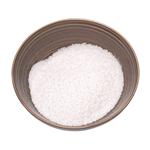
US $0.00/kg2025-03-07
- CAS:
- 51-30-9
- Min. Order:
- 1kg
- Purity:
- 0.99
- Supply Ability:
- 20tons
US $0.00-0.00/g2024-12-24
- CAS:
- 51-30-9
- Min. Order:
- 1g
- Purity:
- 99.9%
- Supply Ability:
- 20 tons