Mechanism of Action and Therapeutic Use of Vortioxetine
Vortioxetine is a novel antidepressant with multimodal activity currently approved for the treatment of major depressive disorder. Vortioxetine is orally adminis tered once daily at 5- to 20-mg doses. The pharmacoki netics of vortioxetine are linear and dose proportional, with a mean terminal half-life of approximately 66 h and steady-state plasma concentrations generally achieved within 2 weeks of dosing.
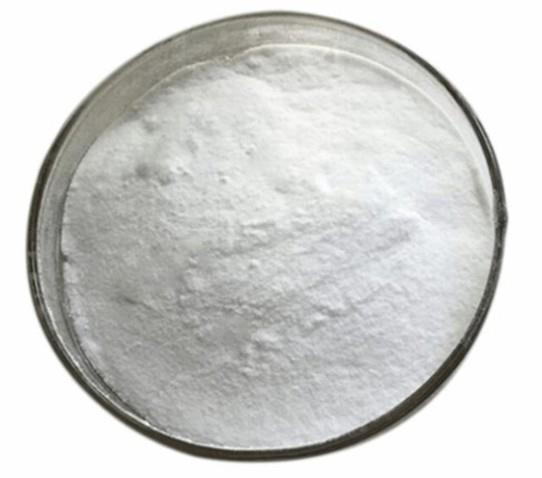
Figure1: Picture of Vortioxetine
Overview
Vortioxetine is a structurally novel medication that has recently been approvedfor treatment of major depressive disorder (MDD). This medication is a serotonin reuptakeinhibitor that also has a number of other potentially relevant effects on serotoninergic recep-tors, which may differentiate the drug’s effects from those of current first-line antidepressants,such as selective serotonin reuptake inhibitors (SSRIs) and serotonin norepinephrine reuptakeinhibitors (SNRIs). Major depressive disorder is a common mental disorder affecting a person's mind, behaviour and body. It is expressed as a variety of symptoms and is associated with substantial impairment. Despite a range of pharmacological and non‐pharmacological treatment options, there is still room for improvement of the pharmacological treatment of depression in terms of efficacy and tolerability. The latest available antidepressant is vortioxetine. It is assumed that vortioxetine's antidepressant action is related to a direct modulation of serotonergic receptor activity and inhibition of the serotonin transporter. The mechanism of action is not fully understood, but it is claimed to be novel. Vortioxetine was placed in the category of "Other" antidepressants and may therefore provide an alternative to existing antidepressant drugs.
Mechanism of Action and Therapeutic Use
Vortioxetine (marketed as Trintellix in the United States and Canada, and as Brintellix elsewhere) is approved for the treatment of major depressive disorder (MDD). Several first-line agents are currently used in MDD, including selective serotonin reuptake inhibitors and serotonin-norepinephrine reuptake inhibitors. Vortioxetine possesses a unique mechanism of action and a distinct clinical profile compared with other MDD therapies, which may make it an effective alternative first-line option or a subsequent treatment for patients who have not responded adequately to other antidepressants. As a multimodal antidepressant, vortioxetine acts on both serotonin receptors and transporters. In vitro studies demonstrate that it functions as an agonist at 5‑HT1A receptors, a partial agonist at 5‑HT1B receptors, an antagonist at 5‑HT3, 5‑HT7, and 5‑HT1D receptors, and an inhibitor of the serotonin transporter (SERT). Preclinical evidence suggests that vortioxetine may produce antidepressant effects by modulating neurotransmission across multiple systems—including serotonin, norepinephrine, dopamine, acetylcholine, histamine, glutamate, and gamma‑aminobutyric acid pathways. Through these interactions, vortioxetine is thought to help regulate complex neural networks involved in the mood and cognitive disturbances characteristic of MDD. Vortioxetine hydrobromide has a molecular weight of 379.36 g/mol and exhibits a distribution coefficient (octanol/water) ranging from 2.2 at pH 3 to 4.7 at pH 11 at 25 °C. In both acute‑treatment and long‑term maintenance trials involving patients with MDD, vortioxetine has shown antidepressant efficacy and a favorable safety profile at once‑daily doses between 5 and 20 mg. The pharmacokinetics of vortioxetine are linear and dose‑proportional, with steady‑state plasma concentrations typically achieved within two weeks of daily administration. Data compiled from over a decade of clinical development provide a comprehensive pharmacokinetic and pharmacodynamic profile of vortioxetine. This information helps healthcare professionals better understand its potential for drug–drug interactions and whether dose adjustments are warranted in special populations. The present review summarizes phase I pharmacokinetic and pharmacodynamic findings and discusses their relevance for clinical practice. [1]
Dose Proportionality and Time Dependency
Dose proportionality refers to the relationship between drug dosage and its pharmacokinetic effects, which holds clinical significance for predicting outcomes when adjusting doses. The dose proportionality of both single and multiple administrations of vortioxetine was assessed using pooled data from phase I studies, covering single doses ranging from 2.5 to 75 mg and once-daily multiple doses from 2.5 to 60 mg. Results demonstrated dose proportionality across the studied dose ranges. According to pooled non-compartmental analysis, the apparent clearance at steady state following multiple doses was comparable to that observed after single doses. Overall, no evident time dependency or non-linearity was detected in the population pharmacokinetic model. Estimates based on the distribution of half-life indicated that approximately 90% of individuals reached 90% of steady-state exposure after 12 days of repeated vortioxetine administration. The accumulation index for vortioxetine, defined as the ratio of the mean area under the curve over 24 hours at steady state to that after a single dose, ranged between 5 and 6 following multiple doses of 5 to 20 mg, consistent with its long half-life of approximately 59 to 69 hours. No time-dependent trends were observed for other pharmacokinetic parameters of vortioxetine. [1]
Effects of vortioxetine in behavioral
Vortioxetine has been extensively studied in behavioral models, as summarized in Table 2. Following acute administration, vortioxetine demonstrates effectiveness in most standard behavioral tests. These include the forced swim test in mice and Flinders Sensitive Line rats, the rat social interaction test, the rat conditioned fear-induced vocalization test, and the mouse novelty-suppressed feeding test and open-field test. Vortioxetine also remains active in the mouse novelty-suppressed feeding test, open-field test, and forced swim test after 14 and 21 days of dosing. Additionally, it shows activity in SSRI-insensitive 12-month-old C57 Black mice treated for one month. In contrast, vortioxetine was found inactive in a rat chronic mild stress model of depression. In this model, repeated exposure to stressors reduces consumption of a palatable 1% sucrose solution and attenuates dopamine neurotransmission in the nucleus accumbens. This model is considered to mimic aspects of anhedonia, a core symptom of depression. Antidepressants are generally suggested to reverse the reduction in sucrose intake to control levels through sensitization of dopamine D2/D3 receptors in this model. However, the lack of effect observed with vortioxetine has not been further investigated. Since extensive literature suggests that the mesolimbic dopamine pathway plays a key role in mediating reinforcing effects of both drugs and natural rewards such as sucrose, and since 5-HT3 receptors are considered important mediators of serotonergic modulation in this pathway, it might be speculated that vortioxetine's failure to reverse stress-induced reduction in sucrose drinking is at least partly related to its 5-HT3 receptor antagonism. In contrast to these preclinical observations, clinical studies with vortioxetine have shown a significant effect of the drug on all items of the Montgomery–Åsberg Depression Rating Scale, including anhedonia (lassitude). Thus, the rat sucrose-drinking model of anhedonia failed to predict the clinical efficacy of vortioxetine on this symptom. This discrepancy likely reflects the limitations of the sucrose-drinking model as a simplistic approach to investigate vortioxetine's effect on a complex clinical symptom such as anhedonia. Alternative experimental approaches would be needed to fully evaluate its effect on anhedonia. [2]
Tolerability of Vortioxetine
Vortioxetine was generally well tolerated in both short-term and long-term studies. Nausea, the most common treatment-emergent adverse event associated with the drug, was dose-dependent. It occurred in 20.9–31.2% of patients receiving vortioxetine at doses of 5–20 mg/day compared with 8.1% of those receiving placebo, 33.6% of patients receiving venlafaxine extended-release 225 mg/day, and 34.1% of patients receiving duloxetine 60 mg/day, based on pooled data from 11 short-term placebo-controlled studies lasting 6–8 weeks in patients with major depressive disorder. Among elderly patients, nausea was the only treatment-emergent adverse event reported with an incidence of at least 5%, occurring more than twice as frequently in the vortioxetine 5 mg/day group as in the placebo group. Nausea associated with vortioxetine was dose-related, typically mild to moderate in severity, most commonly occurred during the first week of treatment, and was often transient, with a median duration of 9 to 16 days. Apart from nausea, vomiting was the only other treatment-emergent adverse event reported at more than twice the frequency in vortioxetine-treated patients compared with placebo-treated patients. It was also dose-dependent, occurring in 2.9–6.5% of patients receiving vortioxetine 5–20 mg/day versus 1.1% of placebo recipients, 3.5% of venlafaxine extended-release recipients, and 4.1% of duloxetine recipients. [3]
Reference
[1] Chen G, H?jer A M, Areberg J, et al. Vortioxetine: clinical pharmacokinetics and drug interactions[J]. Clinical Pharmacokinetics, 2018, 57(6): 673-686.
[2] Sanchez C, Asin K E, Artigas F. Vortioxetine, a novel antidepressant with multimodal activity: review of preclinical and clinical data[J]. Pharmacology & therapeutics, 2015, 145: 43-57.
[3] Frampton J E. Vortioxetine: a review in cognitive dysfunction in depression[J]. Drugs, 2016, 76(17): 1675-1682.
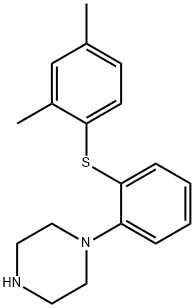
You may like
Related articles And Qustion
Lastest Price from Vortioxetine manufacturers
US $0.00/kg2025-05-07
- CAS:
- 508233-74-7
- Min. Order:
- 1kg
- Purity:
- 0.99
- Supply Ability:
- 1000kg

US $100.00/kg2025-04-21
- CAS:
- 508233-74-7
- Min. Order:
- 1kg
- Purity:
- 99% Purity (What/sapp: +86 18145728414)
- Supply Ability:
- 1000 Tons/Month