Natural vs Synthetic Vanillin, What are the Differences?
The most popular flavouring compound, Vanilla, can find its application in food and beverage industry, perfume and pharmaceutical industries. Vanillin can be natural extracted from vanilla beans, also can be made in lab. This article will introduce the differences between natural vanillin and synthetic vanillin.
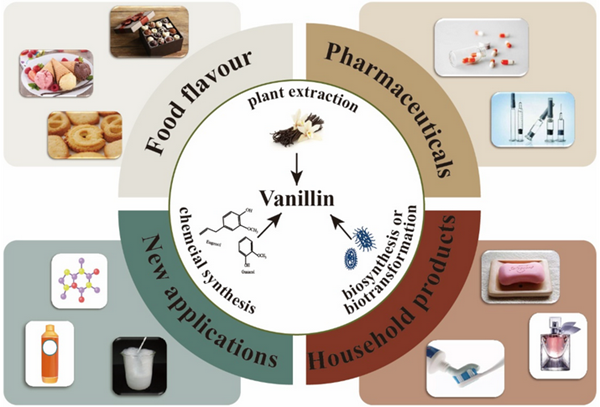
Figure 1. Vanillin production methods and applications.[1]
Source
Natural vanillin
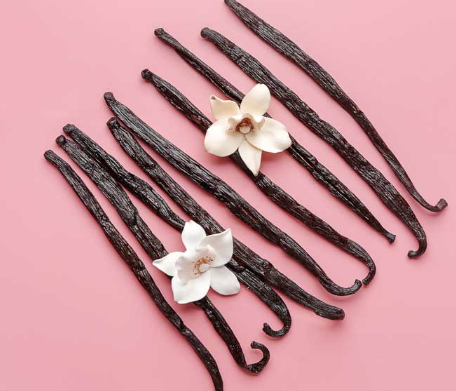
Natural vanilla is derived from the beans of the vanilla orchid, involving a labor-intensive process of cultivation, hand-pollination, harvesting, and curing, resulting in a complex mixture of several hundred compounds that contribute to its rich and nuanced flavor profile[2].
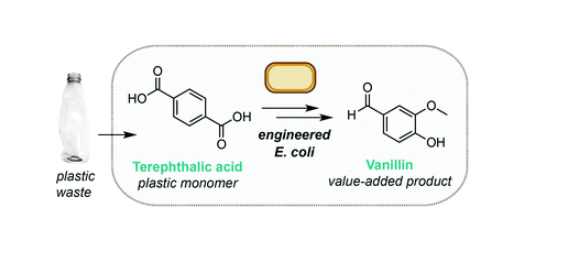
Because of high costs ($1,200–$4,000/kg), alternative "natural" bio-vanillin is produced through biotechnological fermentation of natural precursors like ferulic acid (from rice bran/agro-wastes) using microorganisms.
Synthetic vanillin
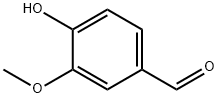
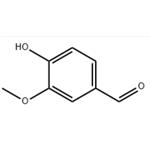
In today's market, 85% of vanillin is chemically synthesised from guaiacol. Guaiacol first undergoes electrophilic aromatic substitution by glyoxylic acid under basic conditions to give vanillylmandelic acid. The result of the oxidation of vanillylmandelic acid to the corresponding phenylglyoxylic acid, followed by its decarboxylation to vanillin. This oxidative decarboxylation is catalysed by copper(II), and the vanillin is ultimately purified via vacuum distillation and recrystallization.
Flavour
In chemical, natural vanillin and synthetic vanillin are same compound. However, natural vanillin may be richer when compare to the artificial, because it also contains several other compounds with flavor.
Synthetic vanillin flavouring is due to its chemical, lignin vanillin which mimics the flavour of natural extract from real vanilla. The first commercial synthesis of vanillin starts with the more readily available natural compound is eugenol. Lignin vanillin is obtained from wastes produced in the paper manufacturing industry. Some vanilla flavouring also contains glycerine or a glycol base[3].
References
[1] Jiang, W., Chen, X., Feng, Y., Sun, J., Jiang, Y., Zhang, W., Xin, F., Jiang, M. (2023). Current Status, Challenges, and Prospects for the Biological Production of Vanillin. Fermentation-Basel. https://doi.org/10.3390/fermentation9040389
[2] Tazon, A. W., Awwad, F., Meddeb-Mouelhi, F., Desgagné-Penix, I. (2024). Biotechnological advances in vanillin production: From natural vanilla to metabolic engineering platforms. BioChem, 4(4), 323–349. https://doi.org/10.3390/biochem4040017
[3] Vijayalakshmi, S., Disalva, X., Srivastava, C., Arun, A. (2019). Vanilla-Natural Vs Artificial: A Review. Research Journal of Pharmacy and Technology. https://doi.org/10.5958/0974-360X.2019.00520.1
You may like
Related articles And Qustion
Lastest Price from Vanillin manufacturers
US $0.00/kg2025-09-02
- CAS:
- 121-33-5
- Min. Order:
- 1kg
- Purity:
- 99%min
- Supply Ability:
- 20tons

US $0.00/kg2025-07-18
- CAS:
- 121-33-5
- Min. Order:
- 1000kg
- Purity:
- 99.5%
- Supply Ability:
- 10000kg