Pharmacological Activity and Clinical Research of Escin, monosodium salt
Escin, monosodium salt is a saponin mixture derived from the horse chestnut tree, exhibiting anti-inflammatory, vasoconstrictive, and angioprotective properties. Aescin, the primary active component of horse chestnut, is responsible for most of its medicinal effects. The main active compound of aescin is β-aescin, while the mixture also contains other constituents such as α-aescin, protoaescigenin, barringtogenol, cryptoaescin, and benzopyranones. Evidence suggests that aescin, particularly purified β-aescin, is a safe and effective treatment for chronic venous insufficiency in the short term.
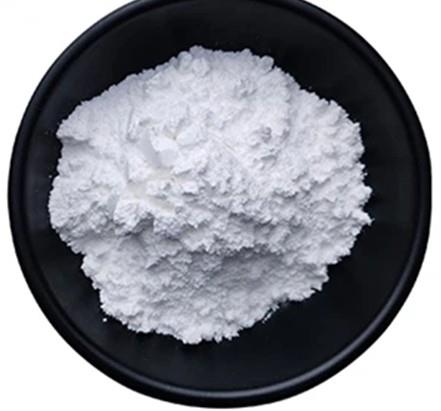
Figure1: Picture of Escin, monosodium salt
Overview
Escin, monosodium salt was initially identified as a principal component extracted from the seeds of the horse chestnut tree (Hippocastanaceae), which is widely distributed across the Northern Hemisphere. In the 1980s, a triterpenoid saponin sodium salt was isolated from the mature fruits of Aesculus chinensis (known as "Suoluozi" in traditional Chinese medicine), and subsequent in-depth physicochemical and pharmacological studies confirmed its identity as Escin, monosodium salt. As a natural botanical drug, research has demonstrated that escin, monosodium salt exhibits multiple biological activities, including anti-inflammatory, anti-exudative, anti-edema, and neuroprotective effects through scavenging oxygen free radicals. Clinically, it is widely used in the management of cerebral edema and associated neurological dysfunction caused by various etiologies. Furthermore, it has broad therapeutic applications in conditions such as post-traumatic, fracture-related, burn-induced, and postoperative swelling and hematomas, as well as in disorders related to chronic venous insufficiency. [1]
Mechanism of Action
Escin, monosodium salt appears to exert its effects through multiple mechanisms. It induces endothelial nitric oxide synthesis by enhancing endothelial calcium permeability and stimulates the release of prostaglandin F2α. Other potential mechanisms include serotonin antagonism, histamine antagonism, and reduced catabolism of tissue glycosaminoglycans.
Pharmacological Activity
Escin, monosodium salt, is a triterpenoid saponin sodium salt extracted from the dried mature fruits of the traditional Chinese herb Aesculus chinensis (commonly known as "Boluozi"). Internationally, it is derived from the mature fruits of the medicinal plant horse chestnut (Aesculus hippocastanum). Research has demonstrated that Escin, monosodium salt possesses multiple pharmacological effects, including anti-inflammatory, anti-exudative, edema-reducing, and neuroprotective activities through its action against oxygen free radicals. Escin, monosodium salt is extracted from the dried ripe seeds of the horse chestnut (Aesculus hippocastanum), known as "Suoluozi" in traditional Chinese medicine. It exhibits distinct pharmacological effects, including anti-edema, anti-inflammatory, anti-exudative, venotonic, and microcirculation-improving activities. Clinically, Escin, monosodium salt is widely used for the treatment of chronic venous insufficiency (CVI), cerebral edema, post-traumatic or postoperative swelling, as well as venous reflux disorders such as hemorrhoids, varicose veins, and thrombophlebitis. Recent studies have further revealed additional properties, such as antioxidant effects, free radical scavenging, and antitumor activity.[2-3]
Clinical Research
Researchers investigated the efficacy of Escin, monosodium salt in treating limb swelling caused by tibiofibular fractures. A retrospective analysis was conducted on clinical data from 172 patients with tibiofibular fractures. Based on medication regimens, the patients were divided into four groups, and the degree of limb swelling reduction as well as treatment duration were observed in each group. The results showed that the Escin, monosodium salt group exhibited superior efficacy compared to the no-treatment group. There was no significant difference in efficacy between the Escin, monosodium salt group and the mannitol group, while the combination therapy group demonstrated better outcomes than either single-agent group. In conclusion, Escin, monosodium salt exerts therapeutic effects through mechanisms such as anti-exudation, increased venous tone, improved microcirculation, and antioxidant activity against oxygen free radicals. With fewer side effects compared to similar drugs, it holds clinical value in managing limb swelling associated with tibiofibular fractures. The combination of Escin, monosodium salt and mannitol is particularly effective for treating moderate to severe limb swelling. [4]
Reference
[1] Fan, D. S. Pharmacological effects and clinical application in neurology of sodium aescinate [J]. *China Medical News*, 2003, 18(12): 1.
[2] Hou, G. P.; Chi, G. M. Pharmacological effects and main clinical applications of sodium aescinate [J]. *China Pharmacist*, 2004, 7: 206-208.
[3] Li, Y. Y.; Wang, Y. G.; Liu, X. Y. Research progress on β-aescin sodium [J]. Journal of Neurology and Neurorehabilitation, 2009, 6(002): 147-150.
[4] Wei, M. Clinical study of escin sodium in the treatment of limb swelling caused by tibiofibular fractures [J]. *Pharmaceutical Journal of Chinese People's Liberation Army*, 2002, 18(5): 3.

You may like
See also
Lastest Price from Escin, monosodium salt manufacturers

US $0.00/KG2025-05-06
- CAS:
- 20977-05-3
- Min. Order:
- 1KG
- Purity:
- 0.99
- Supply Ability:
- 1000KG

US $0.00/KG2025-04-21
- CAS:
- 20977-05-3
- Min. Order:
- 1KG
- Purity:
- 98%min
- Supply Ability:
- 30tons/month