Pharmacological Effects and Applications of Inositol Nicotinate
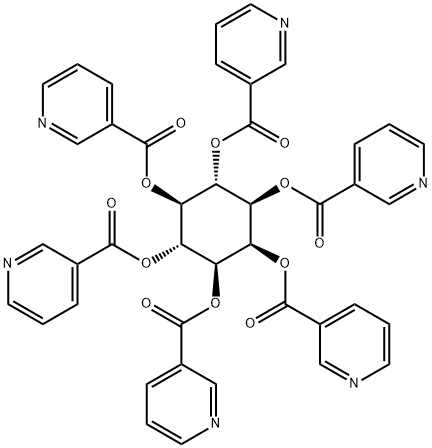
Inositol Nicotinate exhibits cholesterol-lowering and peripheral vasodilatory effects, making it applicable for hypercholesterolemia and atherosclerosis. In clinical practice, Inositol Nicotinate is currently utilized as an adjunctive therapy for hyperlipidemia, coronary heart disease, and various peripheral vascular disorders (such as occlusive arteriosclerosis, acroarteriospasm, frostbite, vascular migraine, etc.). Furthermore, Inositol Nicotinate contributes to cholesterol reduction and peripheral vasodilation, supporting its use in conditions like hypercholesterolemia and atherosclerotic disease.
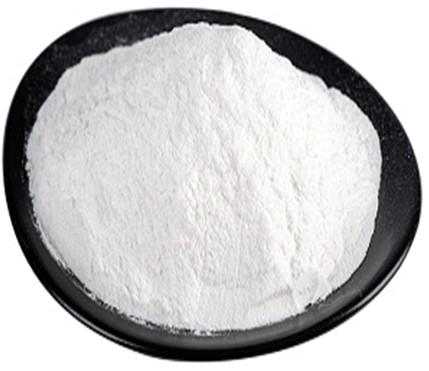
Figure1: Picture of Inositol Nicotinate
Pharmacological Effects
Inositol Nicotinate is a mild peripheral vasodilator that gradually hydrolyzes into nicotinic acid and inositol in vivo, thereby combining the pharmacological actions of both compounds and exhibiting lipid-lowering effects. The vasodilatory effect of Inositol Nicotinate is more gradual and prolonged compared to that of nicotinic acid, without causing common side effects such as flushing or gastric discomfort associated with nicotinic acid administration. Furthermore, Inositol Nicotinate selectively dilates blood vessels in pathological regions and cold‑sensitive areas, while exerting minimal vasodilatory action on normal vasculature. Additionally, Inositol Nicotinate demonstrates thrombolytic, anticoagulant, anti‑fatty liver, and capillary fragility‑reducing properties.
Synthesis
A production process for Inositol Nicotinate has been publicly reported by researchers. In this synthetic method, the pyridine recovery step was modified to an alkali-ion stratification approach. This technique operates on the principle of the common ion effect, where sodium hydroxide is used to liberate pyridine from its salt form, enabling effective phase separation of the pyridine-water mixture and thereby achieving pyridine recovery. By replacing dichlorobenzene extraction with alkali-ion stratification, the unit consumption of pyridine was reduced by 91.5%, and the use of dichlorobenzene was completely eliminated, bringing its consumption to zero. Consequently, Inositol Nicotinate production costs were significantly lowered, contributing to energy conservation, emission reduction, resource efficiency, and ecological protection. [1]
Purification method
Researchers have reported a purification method for Inositol Nicotinate, comprising the following steps: adding crude Inositol Nicotinate into a ternary solvent system containing water as one component, heating under reflux until complete dissolution, decolorizing with activated carbon, filtering, and concentrating the filtrate under atmospheric pressure to obtain purified Inositol Nicotinate. The process of this invention is simple in procedure, significantly reduces solvent usage to only 2–3 times the volume of the crude product weight, is easy to operate, achieves a purification yield of over 92%, and contributes to improving the related substances and content specifications of the final product, with no risk of exceeding chloride limits. [2]
Concentration Determination Method
To establish an HPLC method to determine the concentration of inositol nicotinate(IN) in rat skin, and study the pharmacokinetic characteristics of inositol nicotinate after transdermal administration of heparin sodium inositol nicotinate cream in rats. Methods HPLC method was used to establish a simple and rapid analytical method for the determination of inositol nicotinate concentration in the skin of rats at different time points after administration. The established method was used to study the pharmacokinetics of inositol nicotinate after transdermal administration of heparin sodium inositol nicotinate cream in rats, and the pharmacokinetic parameters were fitted with DAS software. Results The linearity of the analytical method was good in the concentration range of 0.25-20 μg/ml, the quantitative limit was 0.25 μg/ml, and the average recovery rate was 96.18%. [3]
Applications
Research reports indicate that Inositol Nicotinate can be utilized as a food additive, specifically involving a preparation method for an Inositol Nicotinate food nutrient fortifier. The raw material components and their weight ratios for this Inositol Nicotinate food nutrient fortifier are as follows: 30‑35 g of Inositol Nicotinate, 40‑45 g of dietary fiber, 3‑5 g of 50% vitamin E powder, and starch added up to 100 g. The Inositol Nicotinate food nutrient fortifier is prepared by mixing and stirring the raw material components, followed by wet granulation, drying, and particle sizing. The reported product exhibits intestinal‑moistening and nourishing effects, helps enhance human immunity, improves disease resistance, and delays aging. When added to the diet, it provides certain auxiliary benefits in preventing diabetes, hyperlipidemia, cardiovascular and cerebrovascular diseases, as well as cancer.[4]
References
[1] Gao, Z.; Liu, C.; Ma, X.; et al. Inositol Nicotinate Production Process: CN 201210079112 [P].
[2] Liao, J.; Fu, L.; Zeng, J. A Purification Method for Inositol Nicotinate: CN 201811576518.4 [P].
[3] Cui, Y.; Wu, Q.; Ma, L.; Hu, B.; Yao, D.; Xu, Z. Skin Pharmacokinetics of Inositol Nicotinate in Heparin Sodium Inositol Nicotinate Cream. J. Pharm. Pract. Serv. 2025, *43* (1), 6–9, 21.
[4] Li, Z. A Preparation Method of Inositol Nicotinate Food Nutrient Fortifier: CN 201410034554.3 [P].
You may like
Lastest Price from Inositol nicotinate manufacturers

US $0.00/Kg/Drum2025-04-21
- CAS:
- 6556-11-2
- Min. Order:
- 1KG
- Purity:
- 98%-101%, BP
- Supply Ability:
- 1000kg

US $10.00/KG2025-04-21
- CAS:
- 6556-11-2
- Min. Order:
- 1KG
- Purity:
- 99%
- Supply Ability:
- 10 mt