Pharmacology and Mechanism of Action Studies on (-)-Epicatechin Gallate
Introduction
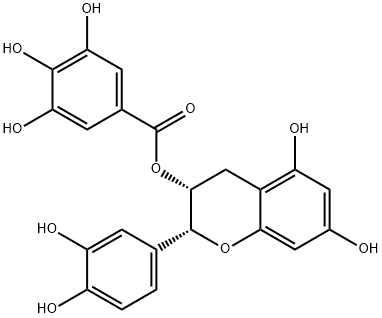
(-)-Epicatechin gallate (ECG;Figure 1 ), the main component of green tea catechins, has various pharmacological and physiological properties (e.g. in the anti-inflammation response,in the mediation of antioxidant activities, in the regulation of cell proliferation/apoptosis, and in anticancer effects during angiogenesis, invasion, and the various stages of metastasis). In the context of angiogenesis/vascularization, (-)-Epicatechin gallate can exert protective effects on human microvascular endothelial cells and can even promote neovascularization under certain conditions. Furthermore, (-)-Epicatechin gallate (or (-)-epigallocatechin-3-gallate [EGCG]) can also promote the osteogenic differentiation of human bone marrow MSCs and stimulate osteoblast differentiation. Because of these beneficial effects of ECG, it has been used to promote health/fitness and has been tested for the potential control/treatment of certain disorders and diseases.[1]
(-)-Epicatechin gallate promotes vascularization in co-culture of human osteoblasts and outgrowth endothelial cells
Prevascularization is crucial for the survival of tissue-engineered bone and further bone repair/regeneration. Since (-)-epicatechin gallate (ECG), the most abundant flavanol in green tea, shows potential beneficial effects on endothelial cells and bone cells, zhang etal. decided to investigate whether it promotes vascularization/angiogenesis and osteogenesis using a co-culture system containing human primary osteoblasts (POBs) and outgrowth endothelial cells (OECs). We found that treatment with (-)-epicatechin gallate significantly enhanced microvessel formation in co-culture of POB and OECs, improved cell viability/proliferation and the angiogenic/osteogenic capacities of OEC/POBs, significantly increased the levels of E-selectin, IL-6, TNF-α, IFN-γ, VEGF, and PDGF-BB in co-cultures of POB and OEC, and upregulated HIF-1α, HIF-2α, NF-κB, iNOS, GLUT1, VEGF, and Ang1/2 but downregulated PHD1 in monocultures of OEC or POB. Our findings demonstrate that ECG promotes angiogenesis and osteogenesis (probably via HIF signaling) in co-cultures of OECs and POBs. (-)-Epicatechin gallate thus has potential applications in the promotion of angiogenesis/vascularization in many tissue constructs including those of bone.[1]
(-)-Epicatechin gallate prevents inflammatory response in hypoxia-activated microglia and cerebral edema
High-altitude cerebral edema (HACE), a potentially lethal disease, is associated with a time-dependent exposure to altitude-related hypobaric hypoxia (HH) and has reportedly been associated with microglia hyperactivation. Catechins are substances with good antioxidant properties, among which (-)-epigallocatechin gallate (EGCG) may play a neuroprotective role through the inhibition of microglia overactivation; however, the function of its analog- (-)-epicatechin gallate (ECG)-requires further elucidation. The aim of the present study was to investigate whether ECG prevented HACE by inhibiting HH-activated microglia. Primary microglia exposed to lipopolysaccharide (LPS)/ATP were co-treated with EGCG, (-)-epicatechin gallate, and (-)-epigallocatechin, and ECG and EGCG exerted significant anti-inflammatory and neuroprotective effects. (-)-Epicatechin gallate inhibited the NF-κB pathway to prevent the activation of microglia induced by 1% O2. In addition, ECG ameliorated the increase in brain water content and aquaporin 4 expression induced by HH in mice. (-)-Epicatechin gallate also reduced the number of Iba1+ microglia in the brain, the release of proinflammatory factors, and the recruitment of microglia to blood vessels in HH-exposed mice. The outcomes of the present study revealed that ECG alleviated hypoxic hyperactivated microglia, reduced the neuroinflammation and blood-brain barrier permeability, and prevented HACE by inhibiting NF-κB signaling.[2]
(-)-Epicatechin gallate is potent inhibitors of human arylacetamide deacetylase
Recently, in addition to carboxylesterases (CESs), we found that arylacetamide deacetylase (AADAC) plays an important role in the metabolism of some clinical drugs. In this study, we screened for food-related natural compounds that could specifically inhibit human AADAC, CES1, or CES2. AADAC, CES1, and CES2 activities in human liver microsomes were measured using phenacetin, fenofibrate, and procaine as specific substrates, respectively. In total, 43 natural compounds were screened for their inhibitory effects on each of these enzymes. Curcumin and quercetin showed strong inhibitory effects against all three enzymes, whereas epicatechin, (-)-epicatechin gallate (ECg), and epigallocatechin gallate (EGCg) specifically inhibited AADAC. In particular, (-)-Epicatechin gallate and EGCg showed strong inhibitory effects on AADAC (IC50 values: 3.0 ± 0.5 and 2.2 ± 0.2 μM, respectively). (-)-Epicatechin gallate and EGCg also strongly inhibited AADAC-mediated rifampicin hydrolase activity in human liver microsomes with IC50 values of 2.2±1.4 and 1.7±0.4 μM, respectively, whereas it weakly inhibited p-nitrophenyl acetate hydrolase activity, which is catalyzed by AADAC, CES1, and CES2. Our results indicate that (-)-Epicatechin gallate and EGCg are potent inhibitors of AADAC.[3]
(-)-Epicatechin gallate ameliorates cyprodinil-induced cardiac developmental defects
Cyprodinil is a widely used fungicide with broad-spectrum activity, but it has been associated with cardiac abnormalities. (-)-Epicatechin gallate (ECG), a natural polyphenolic compound, has been shown to possess protective properties in cardiac development. (-)-Epicatechin gallate ameliorates cyprodinil-induced cardiac developmental defects In this study, Huang etal. investigated whether (-)-epicatechin gallate could mitigate cyprodinil-induced heart defects using zebrafish embryos as a model. Zebrafish embryos were exposed to cyprodinil with or without (-)-epicatechin gallate. The obtained results demonstrated that (-)-epicatechin gallate significantly improved the survival rate, embryo movement, and hatching delay induced by cyprodinil. Furthermore, ECG effectively ameliorated cyprodinil-induced cardiac developmental toxicity, including pericardial anomaly and impairment of cardiac function. Mechanistically, (-)-epicatechin gallate attenuated the cyprodinil-induced alterations in mRNA expression related to cardiac development, such as amhc, vmhc, tbx5, and gata4, as well as calcium ion channels, such as ncx1h, atp2a2a, and cdh2. Additionally, (-)-epicatechin gallate was found to inhibit the activity of the aryl hydrocarbon receptor (AhR) signaling pathways induced by cyprodinil. In conclusion, our findings provide evidence for the protective effects of ECG against cyprodinil-induced cardiac developmental toxicity, mediated through the inhibition of AhR activity. These findings contribute to a better understanding of the regulatory mechanisms and safe utilization of pesticide, such as cyprodinil.[4]
References
[1] Zhang L, Wang M, Qiu H, et al. Epicatechin gallate promotes vascularization in co-culture of human osteoblasts and outgrowth endothelial cells. Exp Biol Med (Maywood). 2023;248(8):732-745. doi:10.1177/15353702231171894
[2] Chen G, Cheng K, Niu Y, Zhu L, Wang X. (-)-Epicatechin gallate prevents inflammatory response in hypoxia-activated microglia and cerebral edema by inhibiting NF-κB signaling. Arch Biochem Biophys. 2022;729:109393. doi:10.1016/j.abb.2022.109393
[3] Yasuda K, Watanabe K, Fukami T, et al. Epicatechin gallate and epigallocatechin gallate are potent inhibitors of human arylacetamide deacetylase. Drug Metab Pharmacokinet. 2021;39:100397. doi:10.1016/j.dmpk.2021.100397
[4] Huang D, Su Y, Li M, et al. (-)-Epicatechin gallate ameliorates cyprodinil-induced cardiac developmental defects through inhibiting aryl hydrocarbon receptor in zebrafish. Birth Defects Res. 2024;116(5):e2350. doi:10.1002/bdr2.2350
You may like
Related articles And Qustion
Lastest Price from (-)-Epicatechin gallate manufacturers
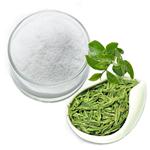
US $100.00/kg2026-03-16
- CAS:
- 1257-08-5
- Min. Order:
- 1kg
- Purity:
- 95%
- Supply Ability:
- 10000
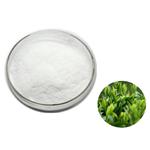
US $0.00/KG2026-03-16
- CAS:
- 1257-08-5
- Min. Order:
- 1KG
- Purity:
- 98% HPLC
- Supply Ability:
- 1000KG